
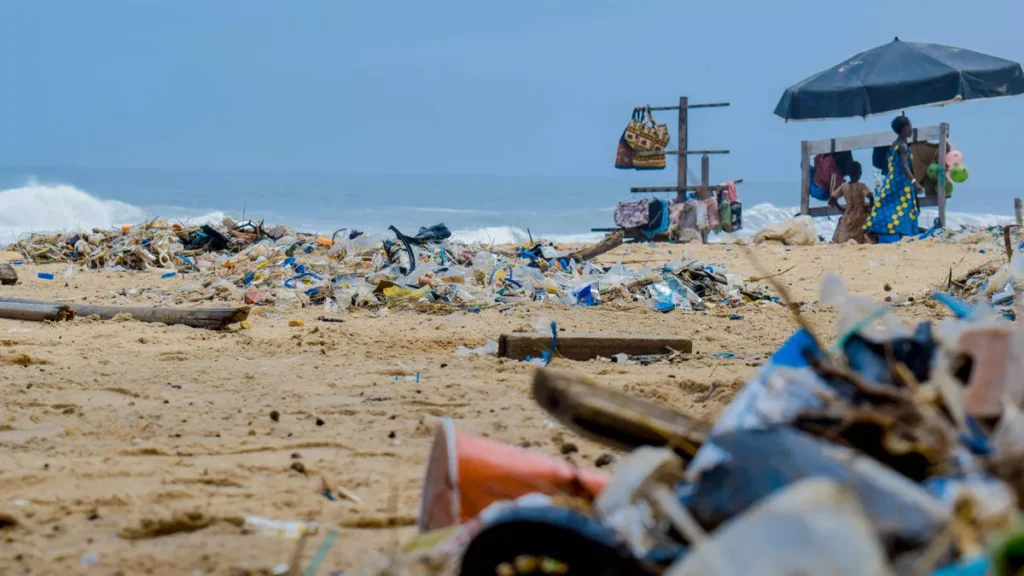
Governor Koster announces rapid-response task forces and structured school clean-ups, translating national pressure into a local action plan for Bali’s shores.
DENPASAR, Bali — In a swift and direct response to a stinging presidential critique that placed Bali’s environmental reputation on the national agenda, Governor I Wayan Koster has unveiled a concrete action plan. The strategy, announced Monday, centers on mobilizing the island’s schoolchildren and forming dedicated rapid-response units to address the seasonal scourge of waste on its iconic beaches.

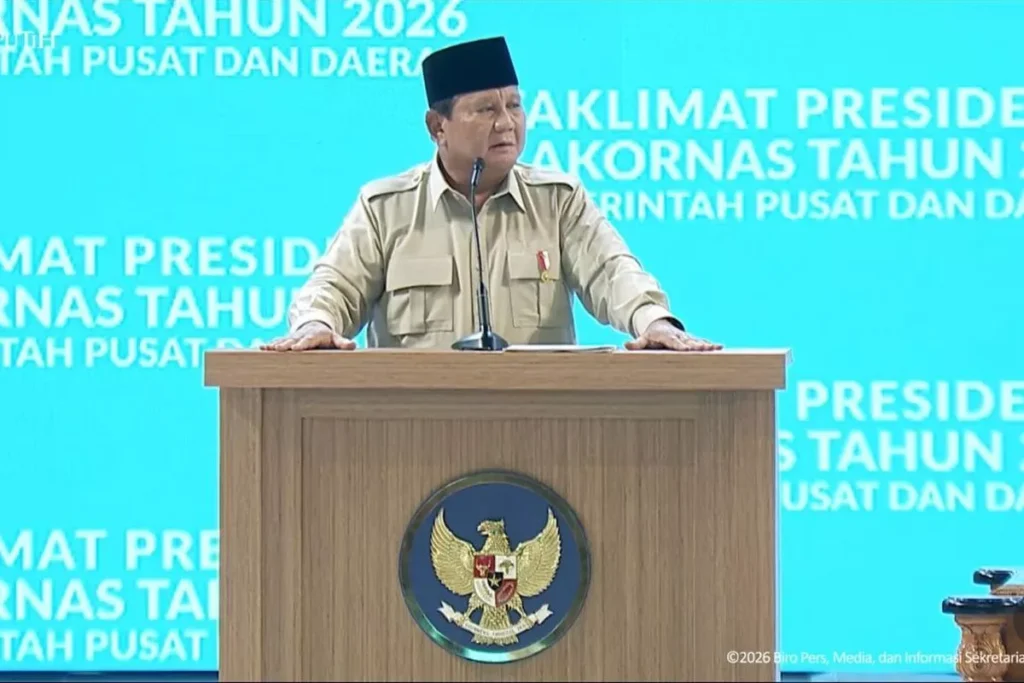
The move follows President Prabowo Subianto’s stark admonishment during a major government coordination meeting, where he relayed a foreign diplomat’s blunt assessment that Bali was “so dirty now” and “not nice,” framing the pollution as both a national embarrassment and a direct threat to the island’s tourism economy.
From Verbal Critique to Institutional Response
Governor Koster’s plan addresses two key fronts. First, he committed to formally involving students in cleanup efforts, a direct nod to the President’s rhetorical challenge. “School children. But of course, these school children must also be prepared with tools for transport, tools for cleaning,” Koster stated, signaling a shift from ad hoc volunteerism to a more structured, resourced program.
Second, he pledged to create a standing task force (satgas) specifically for beach waste. This unit aims to solve the lag-time problem currently plaguing sites like Kuta Beach, which is heavily affected by marine debris during the northwest monsoon. “I will form a task force to standby at the beach so that when trash arrives it can be cleaned immediately, without waiting two or three hours,” Koster explained, pinpointing the seasonal window from December to February as the critical period.
The High-Stakes Catalyst

The Governor’s announcement is a formalization of the very scenario President Prabowo outlined. In his address, the President pointedly asked Bali’s leaders, “What is so difficult?” suggesting regular, organized student clean-ups on weekends. His remarks underscored a growing imperative: in an era where destinations are globally scrutinized, environmental neglect is no longer a local issue but a direct risk to economic survival.
This high-level exchange has effectively elevated Bali’s long-standing waste management struggle from a municipal concern to a matter of urgent national interest. For the island’s international community—expats, long-term visitors, and tourism operators—the public commitment represents a welcome, if overdue, acknowledgment of a problem that daily contradicts Bali’s marketed image of pristine natural harmony.
A Test of Execution and Systemic Change
While the mobilization of students taps into Indonesia’s deep-seated cultural tradition of communal work (gotong royong), and the task force promises quicker reaction times, the plan’s success will be a test of execution. It must be seamlessly integrated with broader, systemic challenges: improving upstream waste collection, reducing single-use plastic consumption, and managing the influx of waste from neighboring regions.
Nevertheless, the very fact that the state of Bali’s beaches is now a topic of presidential discourse and prompt gubernatorial action marks a significant shift. It places the onus of accountability squarely on local leadership and offers a tangible, if initial, blueprint for translating global reputational pressure into local environmental stewardship. The world is watching, and Bali’s response is now being measured not just in clean beaches, but in regained trust.