
Bali wants to fix its waste problem. Instead, it’s exposing it.
When the provincial government stopped accepting organic waste at Suwung landfill starting April 1, 2026, the goal was clear: force a shift toward waste management at the source. Less dumping. More local processing. A system that doesn’t rely on one overloaded landfill.
On paper, it sounds like progress.
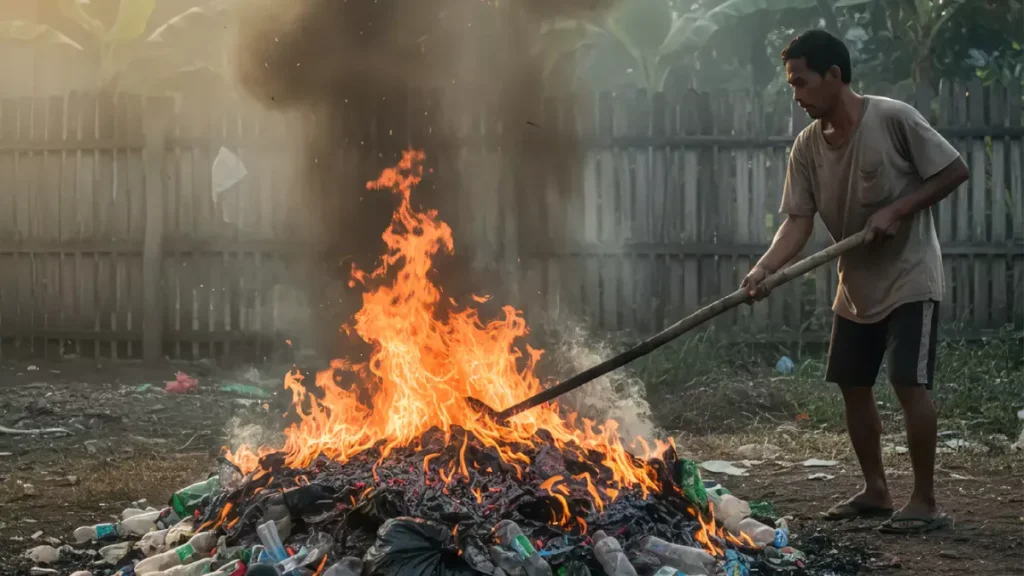
On the ground, it looks like smoke.
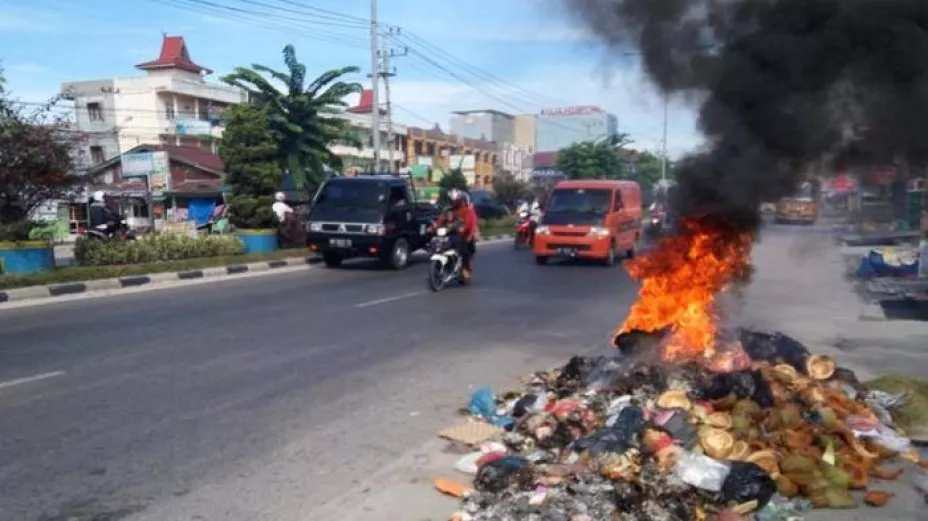
Residents across parts of Bali have started burning their waste. Not as a coordinated protest, but as a direct response to a system that suddenly changed without fully replacing what came before.
Governor Wayan Koster did not show signs of reconsidering the policy.
“It has to be restricted. It’s already being handled by the environmental agency,” he said.
The message is firm. The system behind it is still catching up.
For years, Bali’s waste problem has been framed as a volume issue. Too much trash, not enough space. The solution seemed straightforward: reduce what goes into landfills.
But this policy reveals something deeper.
The problem isn’t just how much waste Bali produces.
It’s how dependent the island has been on a system that no longer works.
Organic waste accounts for around 65% of Bali’s total waste stream. It is wet, fast-decomposing, and difficult to manage without proper infrastructure.
According to Bali’s environmental authorities, this is precisely why the restriction was introduced.
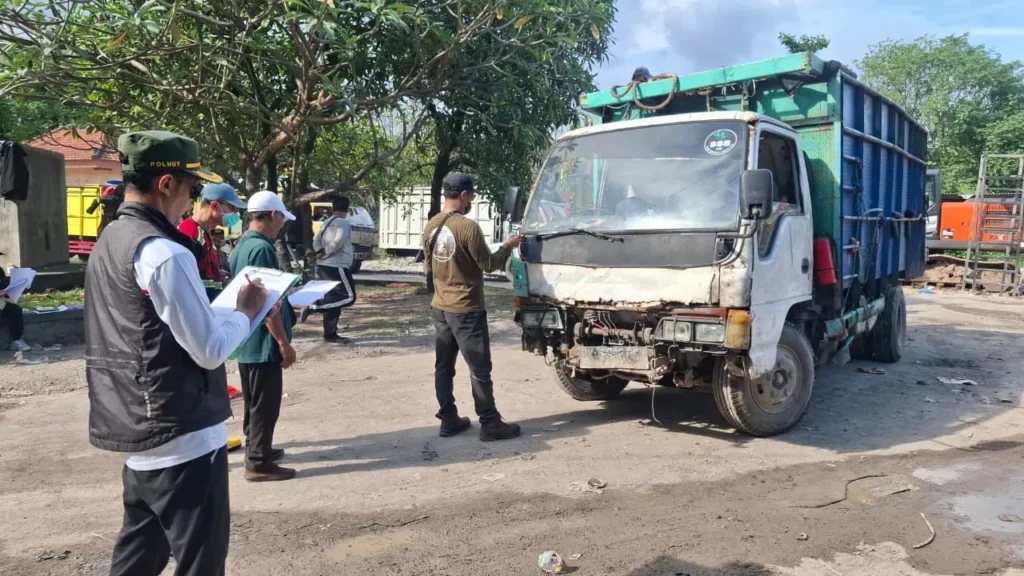
“Organic waste has been dominating landfill intake. It creates methane gas, bad odors, leachate pollution, and accelerates landfill overload,” said I Made Dwi Arbani, Head of Bali’s Forestry and Environment Agency.
Technically, the logic is sound.
But policy doesn’t operate in isolation.
What was expected to happen was simple:
Residents sort their waste. Villages process it locally. The system adjusts.
What actually happened was faster—and less controlled.
People burned their trash.
Because when waste can no longer be sent to the landfill, and alternatives are not fully in place, the solution becomes immediate, not ideal.
Officials say the policy has been widely socialized.
But socialization is not the same as readiness.
Understanding a rule is different from having the tools to follow it.
This is what happens when policy moves faster than infrastructure.
Bali is attempting a structural shift—from centralized dumping to decentralized processing. But transitions like this require more than regulation.
They require:
- local facilities that are already operational
- consistent enforcement across communities
- a system that works before pressure builds

Right now, those pieces are uneven.
So the burden shifts to residents.
Burning waste is not new. It’s what happens when formal systems don’t reach everyday reality.
But in this case, it creates a contradiction.
A policy designed to reduce environmental harm is triggering behavior that can increase it—through air pollution, toxic exposure, and uncontrolled burning in residential areas.
Koster acknowledged that some residents were reacting to the policy.
But his position remains unchanged.
“”If the quota is limited, then it must be limited.” he said, reinforcing the restriction.
The policy is clear.
The transition is not.