

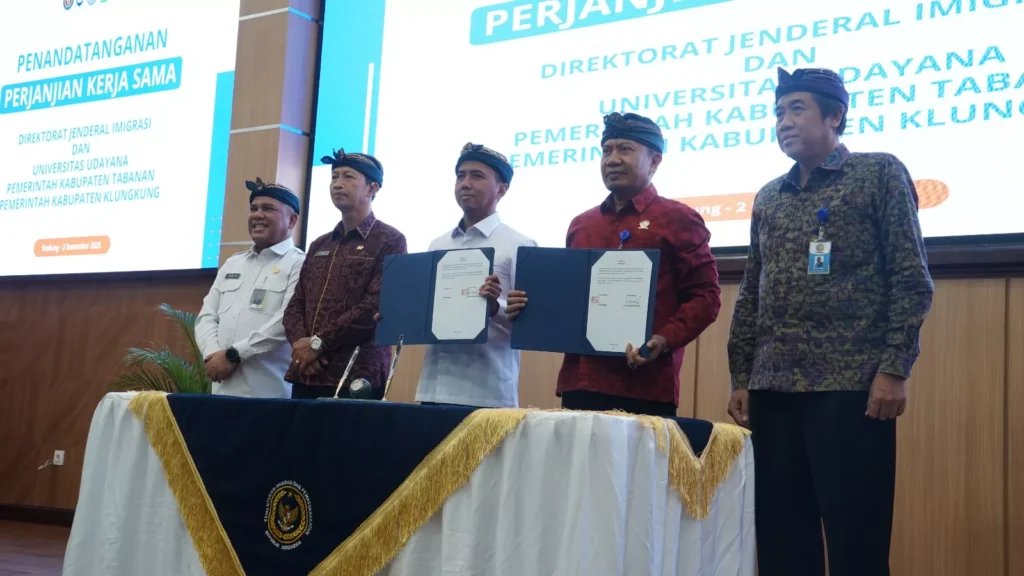
Bali Digital Nomad Regulations – Bali is preparing one of its most significant immigration shifts in years, and digital nomads are at the center of the discussion. A new partnership between Indonesia’s Directorate General of Immigration and Udayana University is laying the groundwork for a research-driven policy framework that could redefine how long-stay travelers live, work and operate on the island.
The initiative, known as the Indonesian Immigration Policy and Analysis Center (IMPACT), is the first academic-based immigration research hub in Indonesia. Its findings will shape future rules on remote work, long-term stays and community integration—topics that many digital nomads have been waiting for clarity on.
Why Bali Is Creating New Digital Nomad Policies
Foreign arrivals in Bali are projected to reach seven million this year, and the growth of remote workers has created new pressure points: visa misuse for professional work, unregistered business activity and disputes related to “nominee” property arrangements.
Officials say these issues can’t be managed through enforcement alone. Instead, they want Bali Digital Nomad Regulations that are informed by data, economic impact studies and legal analysis.
“Selective immigration policy can’t rely on instinct anymore. It has to be evidence-based,” immigration officials said during the launch of IMPACT. They emphasized that Bali needs rules that protect local communities without discouraging responsible, long-stay visitors.
What Will Change for Digital Nomads
While exact regulations are still under development, IMPACT is already identifying the areas most likely to influence digital nomads:
1. Clearer Rules on Remote Work
Many nomads currently enter with tourist visas while conducting paid work online. Authorities say this “grey area” will be addressed under new Bali Digital Nomad Regulations, clarifying what is allowed and what requires proper work authorization.
The goal is not to restrict legitimate remote work, but to define boundaries so nomads and local businesses operate without risk.
2. Stronger Monitoring of Illegal Business Activity
Bali has seen a rise in unlicensed yoga instructors, unofficial tour guides and freelance service providers working without permits. New regulations are expected to draw a firm line between:
- Legal remote work for overseas clients
and - Illegal local commerce that competes directly with Indonesians.
3. Better Protection Against Nominee Property Schemes
Nomads and expatriates have often been targeted by offers to buy land through local “nominee” arrangements. These are illegal under Indonesian law, and many foreigners have lost large sums.
Future regulations will likely include stronger warnings, community outreach and digital monitoring to prevent foreigners from being misled.
4. Increased Screening at Airports
As part of a “Smart Immigration” strategy, Bali is expanding biometric screening, autogate systems and background checks. Digital nomads can expect smoother entry procedures, but also closer scrutiny of repeated long stays and visa patterns.
Bali Digital Nomad Regulations : Why This Matters to Global Travelers

For many remote workers, Bali is more than a destination—it’s a temporary home. The creation of IMPACT signals a long-term commitment to designing policies that balance openness with accountability.
These Bali Digital Nomad Regulations aim to:
- Provide clarity that reduces the risk of visa violations
- Protect nomads from illegal schemes and ambiguous advice
- Improve safety, especially with rising global migration pressure
- Ensure Bali remains a sustainable, culturally respectful hub for international residents
In practice, this could mean a future where digital nomads enjoy more predictable visa pathways, clearer rules and a better relationship with local communities.
What Digital Nomads Should Do Now
While the final regulations are still being drafted, three actions are recommended:
- Use the correct visa category and avoid working locally on a tourist visa.
- Do not engage in nominee property arrangements—they are illegal and highly risky.
- Stay informed as updates from IMPACT will influence upcoming immigration frameworks.
A Turning Point for Bali
Bali’s effort to rethink its immigration approach reflects its reality as a global crossroads. With millions of visitors, thousands of remote workers and rising geopolitical migration, the island needs a system that is smart, fair and sustainable.
The formation of IMPACT marks the beginning of that shift. And as the center’s recommendations take shape, digital nomads will be among the first to feel the impact—through clearer guidance, stronger protections and more transparent Bali Digital Nomad Regulations for the years ahead.
Reported by Ferry Fadly
Written by Hey Bali Newsroom