
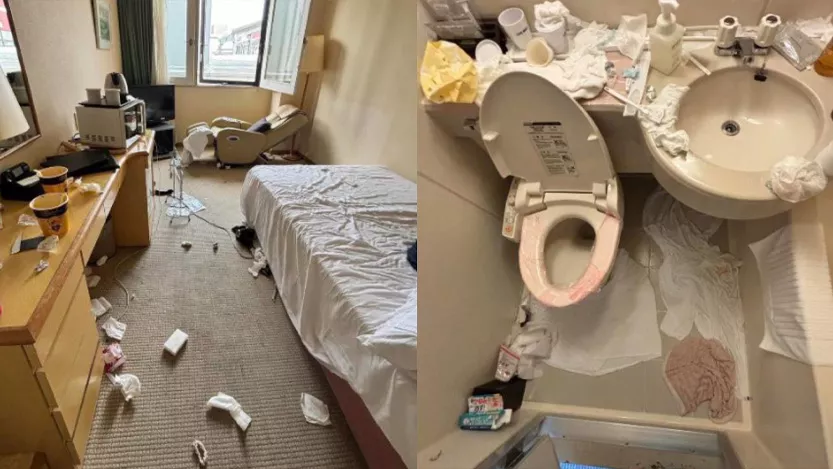
For years, Bali’s hotel and restaurant owners have paid someone else to handle their waste.
A third-party collector arrives. The trash disappears. The bill is paid. The problem, from the business owner’s perspective, is solved.
But that era is ending.
Indonesia’s Ministry of Tourism has now issued a clear directive: hotels, restaurants, and cafes must manage their own waste independently. The message is not aimed only at five-star resorts. It applies to three-star hotels, four-star properties, beachfront cafes in Canggu, and even tourism villages.
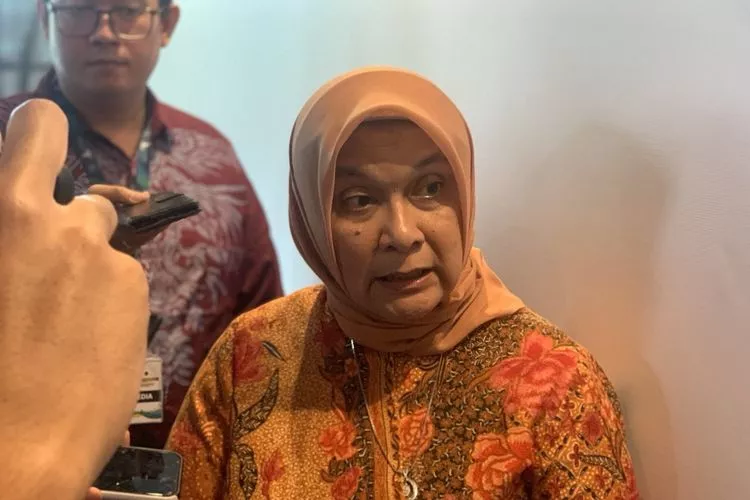
“We have already prepared a waste management guide for the hospitality sector,” said Rizki Handayani Mustafa, Acting Deputy for Industry and Investment at the Ministry of Tourism, after a press conference on Wednesday, May 20, 2026. “And there will be a roadmap going forward.”
For expats who own or manage hospitality businesses in Bali, this is no longer a suggestion. It is becoming a legal obligation.
The Regulation Behind the Directive
The mandate follows Permen LHK No. 75 of 2019, a regulation issued by the Ministry of Environment and Forestry outlining a roadmap for waste reduction by producers. The law covers manufacturers, retailers, and the hospitality sector — including hotels, restaurants, and cafes.
The required approach is the familiar 3R principle: Reduce, Reuse, Recycle.
But the challenge in Bali has never been about understanding the concept. It has been about execution.

Why Now? The Suwung Landfill Is Closing
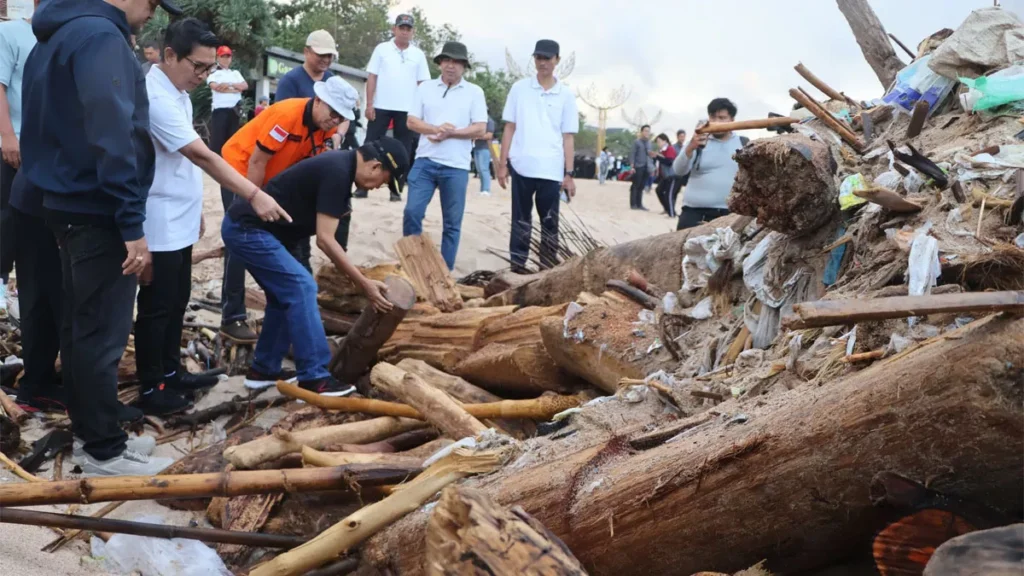
Bali’s waste problem has been visible for years. Overflowing landfills. Plastic-choked rivers. Beaches buried in garbage during the rainy season. Tourists posting photos of trash next to postcard-perfect waves.
The closure of the Suwung landfill in Denpasar has now forced the issue.
Governor Wayan Koster has explicitly asked the 1,980 hotels, restaurants, and cafes registered in Denpasar to begin managing their own waste. The current system — where businesses pay third parties to haul garbage away — will no longer be sustainable once Suwung is fully closed.
“Hotels, restaurants, and cafes must manage their own waste,” Koster said, as quoted by Antara on Thursday, May 21, 2026. “Until now, they have not managed it themselves. Someone else has been transporting it. That will have to change.”
The logic is straightforward: if the tourism sector depends on a clean environment, then the tourism sector must help keep it clean.
“If waste is handled properly,” Koster added, “traffic is managed, hotel occupancy rises, employees continue to earn income, and Denpasar’s PHR increases. But if tourism is disrupted because of waste, tourists will decrease, and hotel occupancy will fall.”


The Problem: Hotels Already Feel They Have Done Their Part
Many larger hotels are not starting from zero.
According to Rizki, most four-star and five-star hotels already operate internal waste management systems. Three-star hotels often have them as well.
The problem is synchronization.
Hotels have outsourced waste collection to third-party vendors. Those vendors, in turn, deliver waste to local transport services. Somewhere along the chain, accountability becomes blurry. And when something goes wrong — illegal dumping, unprocessed waste ending up in landfills — the hotel is still the entity held responsible.
“The hotel feels that responsibility has been transferred to a third party,” Rizki explained. “But legally, they are still the ones being held accountable. That is why we are now assisting hotels and restaurants. There are legal consequences if these obligations are not met.”
The government is currently discussing how to formally recognize third-party waste management so that responsibility is clearly shared between the hotel, the waste vendor, and the local government as the final manager at the TPA (landfill).
What This Means for Expats and Investors
For foreign investors and expats running hospitality businesses in Bali, the practical implications are significant.
First, budgets will need to adjust. Independent waste management requires equipment (composters, sorters, compactors), training for staff, and potentially new vendor contracts.
Second, compliance is not optional. The regulation already exists. The Ministry of Tourism is now actively assisting businesses to meet their obligations — but assistance is not a waiver. Businesses that fail to comply will face legal consequences.
Third, Bali’s waste problem is now the hospitality sector’s problem. There is no longer a distinction between “what the government handles” and “what businesses handle.” The landfill is closing. The trash must go somewhere else. And that somewhere else must be managed by the businesses that produce it.
For expats who have lived in Bali long enough to watch the island’s waste crisis worsen year after year, the directive may feel overdue. For those who have recently invested in a villa, a hotel, or a beachfront cafe, it may feel like an unexpected operational cost.
Either way, the message from both the national ministry and the provincial government is the same: the era of paying someone else to make the trash disappear is ending.
Hotels, restaurants, and cafes will now need to know exactly where their waste goes.
Because if they do not, the government will hold them responsible.