

A practical look at how to access international-standard medical care in Bali, from sudden emergencies to planned medical tourism.
Why It Helps to Understand Bali’s Medical System Before You Need It
You’re having dinner in Canggu when a simple stomach issue turns serious. Or a friend scrapes their arm after a small scooter fall in Uluwatu and now needs proper cleaning and stitches. In moments like these, the first question is always the same: where do you go, and can they actually help?
This is exactly why knowing your options matters. Bali’s medical landscape has grown quickly, and the presence of more than one International Hospital in Bali is a major part of that shift. Instead of relying only on small clinics or immediately thinking about flying to Singapore, you now have access to international-level care on the island. Facilities with English-speaking staff, modern diagnostics, and consistent standards are easier to reach. Bali International Hospital in Sanur is the newest example, standing alongside established names like BIMC and other International Hospital in Bali options that cater to both tourists and long-term residents.
The goal of this guide is simple: help you make clear decisions when it matters. No medical jargon, no drama. Just a practical map of what to do, where to go, and what to expect. Whether you’re a tourist, a digital nomad, or someone exploring medical tourism, understanding how an International Hospital in Bali operates will make you feel more prepared and calm in any situation.
Let’s go straight to what you need to know. First up: understanding the two main international hospital systems in Bali.
The Two Main International Hospitals in Bali
Bali has two major players when it comes to international-standard care. One is a centralized high-tech hub built for medical tourism, while the other is a network positioned inside the island’s busiest tourism areas. Knowing how each International Hospital in Bali operates will help you choose wisely in an emergency.
2.1 Bali International Hospital (BIH) – Sanur’s High-Tech Medical Hub

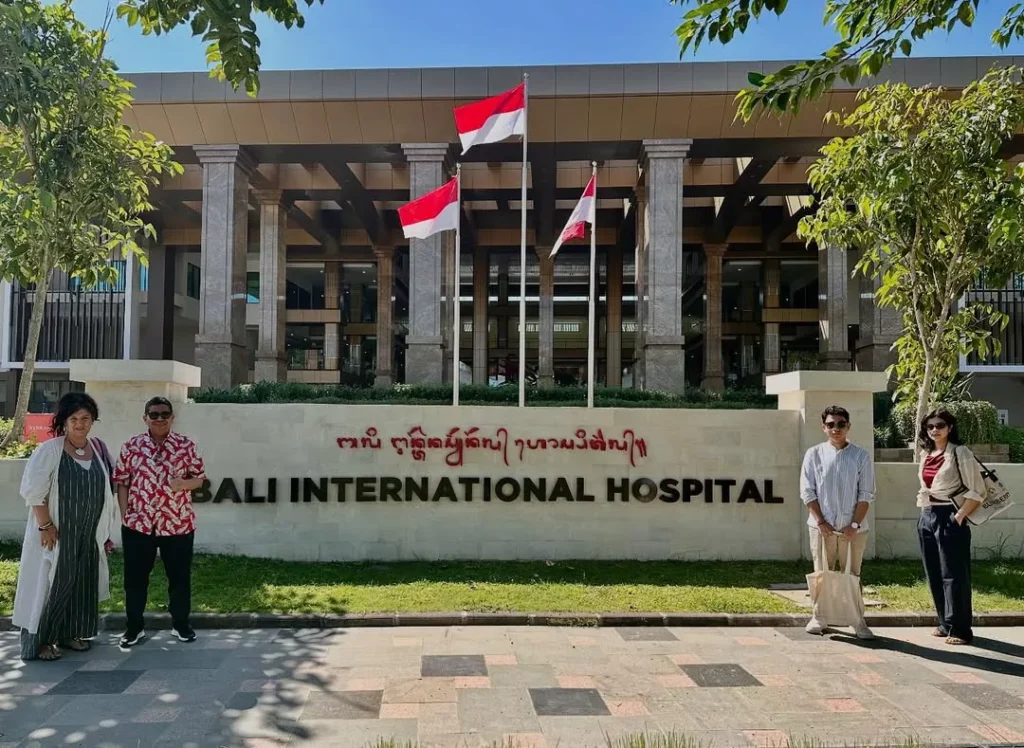
Bali International Hospital in Sanur is designed as a full medical destination rather than a stopgap clinic. As one of the leading International Hospital in Bali options, it sits inside the Sanur Special Economic Zone, which allows international specialists, global clinical partnerships, and faster processes for foreign patients.
What makes Bali International Hospital stand out
Advanced diagnostics and technology
BIH offers PET-CT, a 3.0 Tesla MRI, interventional radiology, and other tools usually found in major hospitals abroad. This positions it among the most advanced International Hospital in Bali for complex evaluations.
Centers of Excellence through global partnerships
- Cardiology with Sapporo Cardiovascular Center (Japan)
- Oncology with Icon Cancer Centre (Australia)
- Neurology, Gastroenterology, Hepatology
- Comprehensive executive health screening programs
Built for medical tourism
The focus is on complex cases, elective procedures, and full check-up packages for international patients. Among all International Hospital in Bali facilities, BIH is the option for precision diagnostics or planned treatment, rather than sudden trauma if you’re in Canggu, Uluwatu, or Ubud.
Best for:
Heart and cancer care, neurological issues, elective surgery, and in-depth screenings.
Less ideal for:
Emergencies in Canggu, Uluwatu, or Ubud due to travel distance.
Emergency Hotline (BIH): 150 919
2.2 BIMC Hospitals – The On-Island Emergency Network


If Bali International Hospital is the destination, BIMC is the frontline. As one of the longest-running International Hospital in Bali networks, BIMC has branches in Kuta, Nusa Dua, and Ubud, making it the place most travelers rely on when something unexpected happens nearby.
Key strengths


Strategic locations
Emergency rooms sit inside Bali’s main tourist areas. For injuries in Kuta, sudden fever in Ubud, or an infection in Nusa Dua, BIMC is often the closest International Hospital in Bali option you can reach quickly.
Real 24/7 emergency care
Fully staffed ER teams, not only on-call general practitioners, which is why BIMC is viewed as the most accessible frontline International Hospital in Bali for urgent situations.
Tourist-ready systems
English-speaking staff, smooth insurance handling, and experience treating everything from surf injuries to stomach infections.
Wide range of general care
Suitable for urgent but non-critical cases when you need fast, competent treatment near your accommodation. This makes BIMC the practical pick among International Hospital in Bali facilities if the priority is speed and proximity.
Best for:
Travel-related emergencies, urgent care, fractures, infections, and general specialist visits.
Emergency Contacts:
- BIMC Kuta: +62 361 761263
- BIMC Nusa Dua: +62 361 3000911
- BIMC Ubud: +62 361 4792545
What “International Hospital” Really Means in Bali

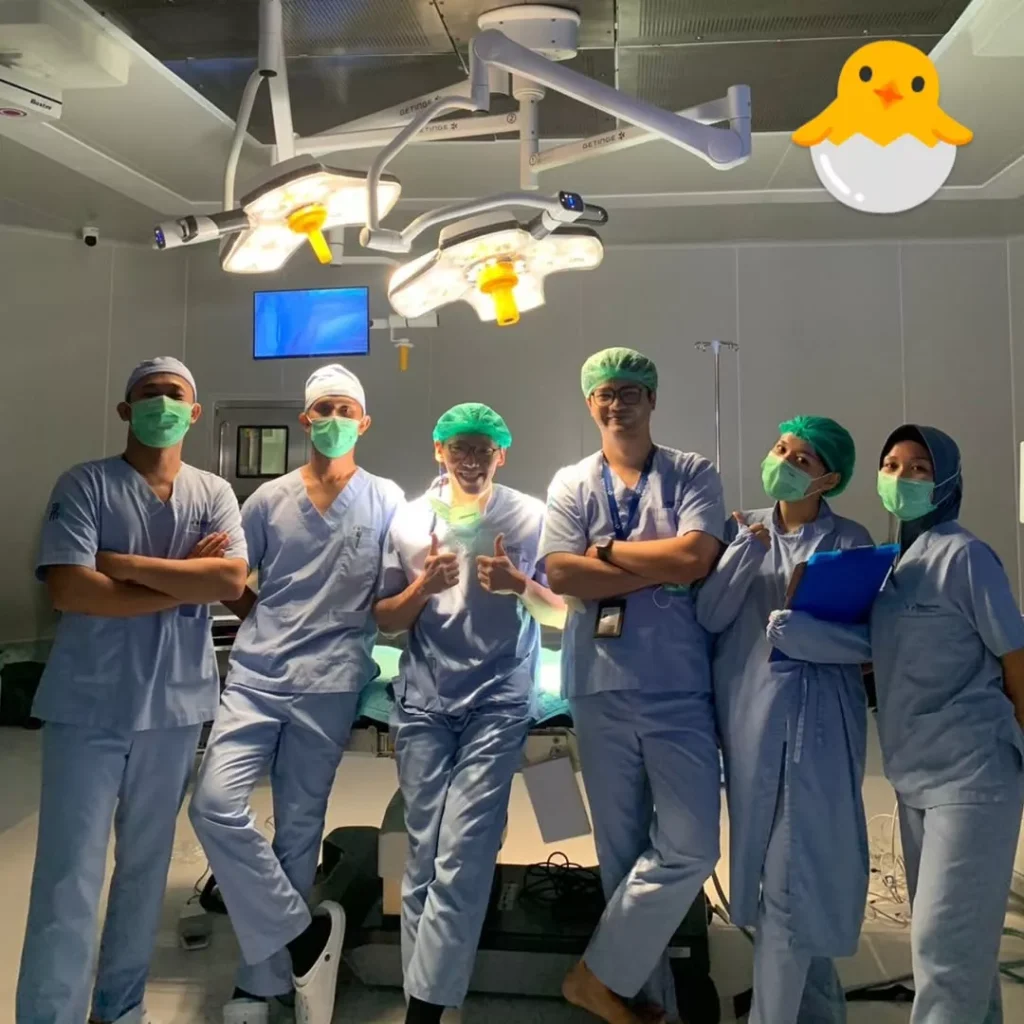
In Bali, the term international hospital isn’t just a marketing line. It reflects a set of standards built for foreign patients. Facilities like Bali International Hospital in Sanur and the BIMC network use the label because they operate at a level expected from an International Hospital in Bali, both in practice and infrastructure.
Where the “International” Standard Comes From
There isn’t a single government-issued certificate that grants the right to use the word “international.” Instead, a hospital earns the status through a mix of recognisable global benchmarks that shape how an International Hospital in Bali should function.
Accreditation & Benchmarks
Hospitals must first pass Indonesia’s national accreditation (KARS). Many then align their protocols with international frameworks—often Australian, Singaporean, or Joint Commission International (JCI) standards.
Bali International Hospital, for example, was built around these benchmarks and structured to meet global accreditation requirements expected from an International Hospital in Bali.
International Partnerships
Another marker is formal collaboration with reputable overseas institutions.
- Cardiology: Sapporo Cardiovascular Center (Japan)
- Oncology: Icon Cancer Centre (Australia)
Partnerships like these shape clinical pathways, training, and technology use—reinforcing why BIH is regarded as an international-level facility and a core example of an International Hospital in Bali.
The Core Elements of an International Hospital in Bali
Recognizable Quality of Care
Treatment protocols, hygiene levels, and diagnostic equipment reflect what you’d find in well-regarded hospitals abroad. This consistency is what travelers expect when choosing an International Hospital in Bali.
English as the Working Language
Doctors, nurses, and administrative staff communicate comfortably in English, reducing miscommunication during diagnosis or treatment.
Systems Designed for Foreign Patients
- Insurance: Dedicated staff handle cases from global insurers like Bupa, Allianz, and Cigna, often with direct billing.
- Documentation: Hospitals are used to preparing medical reports, flight-clearance letters, and embassy-related paperwork.
- Administration: Passport-based registration is standard across most International Hospital in Bali facilities.
Comfort-Focused Facilities
Private rooms, clean waiting areas, and hotel-like environments help reduce stress at a time when clarity and comfort matter most.
Which Hospital Should You Choose? A Situation-Based Guide

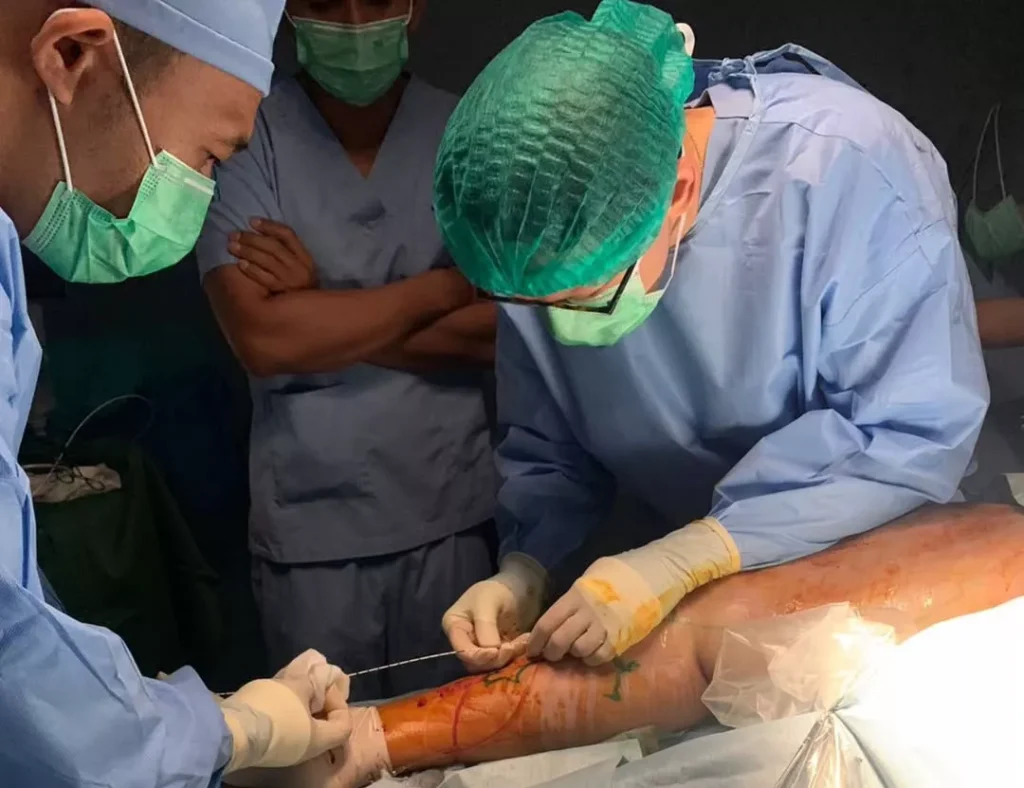
Choosing the right hospital in Bali isn’t about finding the “best” one—it’s about choosing what fits your situation. Location, timing, and the level of care you need matter far more than anything else. This section helps you navigate your options among the main International Hospital in Bali facilities and nearby clinics so you can make a quick, informed decision.
For Emergencies & Trauma: Go to the Closest 24/7 ER
When something serious happens, the nearest fully staffed ER is the safest choice. Minutes matter more than hospital reputations, even when deciding between the closest clinic and a larger International Hospital in Bali.
- Kuta, Legian, Seminyak: BIMC Kuta
- Nusa Dua, Jimbaran: BIMC Nusa Dua
- Ubud: BIMC Ubud
- Sanur area: Bali International Hospital (comprehensive ER + advanced imaging such as 3.0 Tesla MRI)
Practical rule: Don’t drive from Canggu all the way to Bali International Hospital for a fracture. Get stabilised at the nearest international-standard ER first, then transfer if needed.
For Specialist Consultations: Match the Expertise
If you’re not dealing with an emergency, you have more flexibility when choosing an International Hospital in Bali or another reputable facility.
- Cardiology, Oncology, Neurology, Advanced Gastroenterology:
Choose Bali International Hospital. Its Centers of Excellence and international clinical partnerships make it the island’s hub for complex cases. - General specialties (orthopedics, dermatology, ENT, internal medicine):
BIMC or reputable private hospitals like Siloam, Kasih Ibu, and BaliMed offer solid, accessible options across the island.
For Medical Tourism: Planned Procedures & Check-ups
If you’re coming to Bali specifically for healthcare, the island now supports full medical tourism pathways. Among all International Hospital in Bali options, BIH is the one designed for structured programs.
- Full-body executive screenings
- Specialized surgical procedures
- Oncology and long-term programs
Bali International Hospital is the primary choice. It was built for structured medical tourism with advanced diagnostics and an international specialist ecosystem.
For Minor Issues: A Hospital Isn’t Always Necessary
Not every situation requires an International Hospital in Bali. For common travel problems, clinics are faster, more affordable, and fully capable.
- Bali belly
- Fever or flu
- Small cuts or surf scrapes
- Mild infections
A 24-hour clinic in Seminyak, Canggu, or Ubud is usually the most practical option. Save hospital resources for cases that require their level of care.
Bottom line
Let the situation guide you. Bali International Hospital is ideal for complex or specialist care, while BIMC functions as the on-the-ground emergency network across Bali’s main tourist zones. When in doubt about severity, choose caution and head to the nearest ER at an International Hospital in Bali.
Costs & Insurance: What Tourists Should Expect


Medical costs in Bali vary widely, so understanding the price tiers and how insurance works at an International Hospital in Bali helps you avoid surprises and make better decisions when something unexpected happens.
Cost Tiers: What You’ll Likely Pay
The level of the hospital has a direct impact on the final bill. Here’s a simple overview:
| Hospital Type | Price Tier | Best For | Sample Cost Range* |
|---|---|---|---|
| Bali International Hospital (BIH) | Premium | Complex care, medical tourism, advanced diagnostics | ER Visit: 4–8 juta IDR / Specialist: 1.5–3 juta IDR |
| BIMC Hospitals | Mid-Range | Emergencies, urgent care, general specialist visits | ER Visit: 2–5 juta IDR / Consult: 800k–1.5 juta IDR |
| Local Private Hospitals (Siloam, Kasih Ibu) | More Affordable | General care, non-urgent visits | ER Visit: 1–3 juta IDR / Consult: 500k–1 juta IDR |
Approximate ranges for initial visits and consultations. More complex care will increase costs.
Key point: Care at an International Hospital in Bali is excellent, but for minor issues, the higher price gap can be significant. Matching the facility to the level of need is the smartest approach.
Insurance Acceptance & Direct Billing
Both BIH and BIMC are experienced with foreign insurance, but the strength of their networks differs.
BIMC:
Has one of the widest direct billing networks on the island, working with major global insurers such as Bupa, Allianz, Cigna, and AXA. If your insurer is listed, you may not need to pay upfront at this International Hospital in Bali network.
Bali International Hospital (BIH):
Works with major international providers and has a dedicated team for handling complex claims. Coverage varies by insurer, so it’s best to confirm in advance.
How Direct Billing Works:
- Show your insurance card at registration.
- The hospital verifies your coverage.
- You receive treatment while the hospital bills your insurer directly.
- You may only need to cover non-eligible items or copays.
Tip: Even if an International Hospital in Bali accepts direct billing, call your insurer’s emergency number first. They can pre-authorize treatment and guide you to a facility in your network.
If You Have No Insurance: Cash Pricing Tips
Out-of-pocket treatment is possible, but plan wisely:
- Request a detailed estimate:
For any non-emergency procedure, ask for a written cost breakdown (Rincian Biaya).
- Ask about cash discounts:
Some hospitals offer 5–15% discounts for immediate payment.
- Consider reputable local private hospitals:
For non-critical care, Siloam or BaliMed offer good standards at lower prices than an International Hospital in Bali.
- Be prepared for deposits:
Hospitals may ask for a deposit if observation or further procedures are likely.
- Keep all receipts:
These can support claims with travel insurance or credit card protection later.
Bottom line: Costs stay manageable when you communicate clearly. Ask about pricing upfront, confirm insurance eligibility, and choose the right level of care—whether that’s a clinic, a private hospital, or an International Hospital in Bali.
Area-by-Area Emergency Bali Guide
When you need medical help in Bali, proximity is often the most important factor. This guide links each tourist zone to the closest reliable facilities so you know exactly where to go. An International Hospital in Bali like Bali International Hospital is a top-tier option, but it isn’t always the nearest or most practical choice during an emergency.
| Area | Primary Recommendation | Best For | Good Alternatives & Notes |
|---|---|---|---|
| Kuta / Legian / Seminyak | BIMC Hospital Kuta | Emergencies and urgent care; closest international-standard ER in the tourist hub | Siloam Denpasar (15–20 min): Major private hospital. • 24-hour clinics for minor issues. |
| Canggu / Pererenan / Berawa | BaliMed Hospital | Urgent, non-life-threatening cases; main option for the Canggu–Seminyak corridor | PrimeCare & local clinics for minor injuries and Bali belly. • BIMC Kuta for more serious emergencies (20–30 min). |
| Ubud | BIMC Hospital Ubud | Frontline emergencies; only international-network hospital in central Bali | Ubud clinics for basic care. • Sanglah Hospital (Denpasar, 45–60 min) for major trauma or complex cases. |
| Nusa Dua / Uluwatu / Jimbaran | BIMC Hospital Nusa Dua | Emergencies in south Bali; best-positioned for resort areas | Kasih Ibu Kedonganan as a reliable private alternative. • Bali International Hospital (Sanur, 30–45 min) for advanced specialist care. |
| Sanur | Bali International Hospital (BIH) | All levels of care; ideal for complex cases with immediate access to advanced diagnostics | Local Sanur clinics for minor issues. |
| Denpasar (Central Hub) | Siloam Hospitals Denpasar | Comprehensive private care; strong for non-emergency specialist needs | Sanglah (RSUP Prof. Ngoerah): Bali’s main public referral hospital for trauma and severe cases; often busy. |
How to Use This Guide
• Identify your area in the table.
• For urgent symptoms such as chest pain, severe injury, or difficulty breathing, go straight to the primary hospital listed.
• For minor problems, clinics in your area can save time and reduce costs.
• Remember: while Bali International Hospital in Sanur is the top International Hospital in Bali for advanced planned care, driving there from Canggu or Uluwatu during an emergency may not be practical.
Pro Tip: Save the emergency number of the nearest hospital before you need it. Quick access can make a meaningful difference.
Limitations & When to Consider Alternatives

International hospitals in Bali offer excellent care, but they aren’t always the most practical option. Knowing their limits helps you choose the right level of care—whether that’s Bali International Hospital, a BIMC international hospital, or a well-equipped local private hospital.
| Limitation | What It Means for You | Practical Alternative |
|---|---|---|
| Higher Cost | International-standard pricing means ER visits and consultations can be 2–3x higher than local private hospitals. | For non-urgent visits, consider Siloam, RS Kasih Ibu, or BaliMed. They offer strong care at a lower price. |
| Single Location for Bali International Hospital | BIH is only in Sanur. From Canggu, Uluwatu, or Ubud, travel can take 45–90 minutes. | In emergencies, go to the nearest international hospital in Bali, such as BIMC in your area or BaliMed in Canggu. |
| Appointment-Based Specialists | ERs are 24/7, but many BIH specialists require scheduled appointments. | BIMC or large private hospitals may have shorter waits or specialists on call. |
| Overkill for Minor Issues | Using a full international hospital in Bali for small issues leads to higher cost and longer process. | A reputable 24-hour clinic is perfect for Bali belly, minor wounds, mild fever, or basic prescriptions. |
Making the Choice: Clinic vs Local Hospital vs International Hospital
Use this quick guide when you’re unsure where to go:
Choose a Clinic if:
You have a minor travel health issue.
Examples: Traveler’s diarrhea, skin infections, small cuts, mild fever, medication refills.
Why: Fast, affordable, and efficient.
Choose a Local Private Hospital (Siloam, Kasih Ibu, BaliMed) if:
You need urgent but non-critical care or a specialist without the premium pricing of an international hospital in Bali.
Examples: Suspected fracture, dehydration requiring IV, persistent infection, ultrasounds or X-rays.
Why: Strong diagnostics and treatment, often with English-speaking staff, at mid-range cost.
Choose an International Hospital (Bali International Hospital or BIMC) if:
• It’s a serious emergency and the nearest quality ER is BIMC.
• You need complex or specialized care where Bali International Hospital’s advanced diagnostics and international partnerships make a difference.
• You’re in Bali for medical tourism, comprehensive check-ups, or planned procedures.
• Your international insurance prefers or requires a network facility.
Bottom line:
Bali International Hospital and BIMC are essential for high-level care, but they’re not always the most efficient choice for every situation. The smartest travelers and expats know how to balance convenience, urgency, and cost—choosing the nearest good clinic for small issues, a reliable local hospital for mid-level care, and an international hospital in Bali when the situation truly calls for it.
Your Medical Emergency Action Plan
A clear plan turns panic into action. Save this section so you know exactly what to do when something goes wrong. Whether you’re supporting someone or dealing with an emergency yourself, these steps help you move quickly and confidently at any international hospital in Bali or nearby facility.
Before Anything Happens: Preparation Matters
Take a few minutes now to set yourself up for any situation.
Save These Key Numbers:
• 112 — Indonesia’s universal emergency number
• 150 919 — Bali International Hospital’s 24/7 emergency hotline
• BIMC Hospitals:
BIMC Kuta: +62 361 761263
BIMC Nusa Dua: +62 361 3000911
BIMC Ubud: +62 361 4792545
Locate Your Nearest Hospital:
Open your map and check which qualified facility is closest to your villa or hotel. It might be BIMC, BaliMed, a local private hospital, or—if you’re in Sanur—Bali International Hospital. A quick check now can save precious minutes later.
Review Your Insurance Protocol:
Every insurer operates differently. Save the emergency assistance number from your policy and confirm whether they require pre-authorization before treatment. It’s an easy step that avoids confusion during urgent situations.
During an Emergency: A Clear Sequence to Follow
Step 1: Assess and Call for Help
• Life-threatening symptoms (unconsciousness, chest pain, severe bleeding, trouble breathing): call 112 immediately for the fastest local dispatch.
• Serious but stable cases (suspected fracture, high fever, severe pain): call the nearest international hospital in Bali, such as BIMC or Bali International Hospital. Their ambulances are better equipped and usually have English-speaking paramedics.
Step 2: Bring the Essentials
Have these ready as you head out:
• Passport or a photo of the info page
• Insurance card or policy details
• Credit card or cash
• List of medications and allergies
• Your doctor’s contact details (optional but helpful)
Step 3: Communicate Clearly
At an international hospital in Bali, English is fine.
State briefly: what happened, the main symptom, where it hurts, and any known conditions or allergies. Simple and direct information helps the triage team quickly assess you.
Step 4: Know Your Ambulance Options
• Private Hospital Ambulance (BIMC/BIH): Best for stable transfers. They coordinate directly with their ER and can communicate in English.
• Public Ambulance (112): The fastest option in critical, time-sensitive emergencies. English may be limited, but speed takes priority.
Golden rule: avoid driving yourself during a medical emergency. Even basic care inside an ambulance can make a real difference on the way to the hospital.
Being prepared means you won’t lose time figuring out logistics when every minute matters. With a plan in place, you can access the right part of Bali’s medical system—whether that’s the fast response from BIMC or the advanced facilities at an international hospital in Bali.
FAQ: The Questions Tourists Actually Ask
These are the questions travelers ask most often when trying to understand how healthcare works in Bali, especially when visiting an international hospital in Bali for the first time.
1. Are the medicines as good as those in Europe or Australia?
Yes. Facilities like Bali International Hospital (BIH) and BIMC work with reputable global and Indonesian pharmaceutical suppliers that follow international manufacturing standards. If you want extra reassurance, ask for both the brand name and the generic name of the medication.
2. Is there a 24-hour pharmacy?
Yes. Both BIH and BIMC have on-site or partner pharmacies that operate around the clock, so you can be diagnosed and get your medication in the same place at any hour.
3. Can I get a specialist appointment quickly?
Usually, yes. BIH’s Centers of Excellence often have availability within a few days because they’re built for medical travelers. At BIMC and other private hospitals, common specialties like orthopedics or dermatology are often available within 24–48 hours. Calling ahead is still the safest bet.
4. Do these hospitals treat children?
They do. Both BIH and BIMC have pediatricians and facilities equipped for infants and children. For most families, the experience is smoother than a general adult emergency room.
5. Who handles issues like Bali belly or surf injuries?
Both hospitals and clinics can help:
BIH and BIMC ER: Best for severe dehydration, strong infections, or anything that may require IV treatment or scans.
Local Clinics: Good for mild–moderate stomach issues, fevers, rashes, and small surf cuts that need cleaning or stitches.
6. Is it safe to rely on local clinics for minor issues?
Yes, as long as you choose a reputable clinic. Areas like Seminyak, Canggu, and Ubud have clinics with English-speaking staff, good hygiene, and a lot of experience with tourists. Look for places that are busy, consistently well-reviewed, and open 24 hours.
About This Guide & Pricing Information
This guide was written by Glostanovlatto, Founder of Hey Bali, based on direct observation of Bali’s healthcare evolution and interviews with the expatriate community.
The pricing estimates come from real cases shared by foreign visitors who have received treatment across different hospitals. Costs can shift depending on the complexity of the case, internal hospital policies, and broader economic changes, so treat these numbers as general references rather than fixed rates.
Transparency matters to us: Hey Bali maintains full independence. We do not have commercial partnerships with any hospitals, including Bali International Hospital, BIMC, or local private facilities. Every recommendation here is based on service quality, accessibility, and consistent user feedback.
Peace of Mind While You Explore Bali

Bali’s charm comes from its culture, landscapes, and the sense of freedom you feel the moment you arrive. Part of keeping that experience intact is knowing you can get proper care if something unexpected happens.
The main message is straightforward: good healthcare is available on the island. Bali International Hospital offers advanced specialist services, BIMC provides a reliable emergency network, and well-run clinics are easy to find in major tourist areas. Together, they form a system that works for both locals and visitors.
This guide is here to give you clarity, not concern. When you know where to go, who to call, and what to expect, you remove guesswork and replace it with confidence. That peace of mind lets you focus on the things that matter—your trip, the people you’re with, and the moments you want to remember.
A few final reminders:
• Keep the essential contacts handy.
• Share this with anyone you’re traveling with.
• Use the right level of care when you need it, whether that’s a clinic for something mild or an international hospital for something more serious.
With that foundation, you can enjoy Bali the way it’s meant to be enjoyed—fully, comfortably, and with a clear head.
Safe travels, and enjoy every moment.