
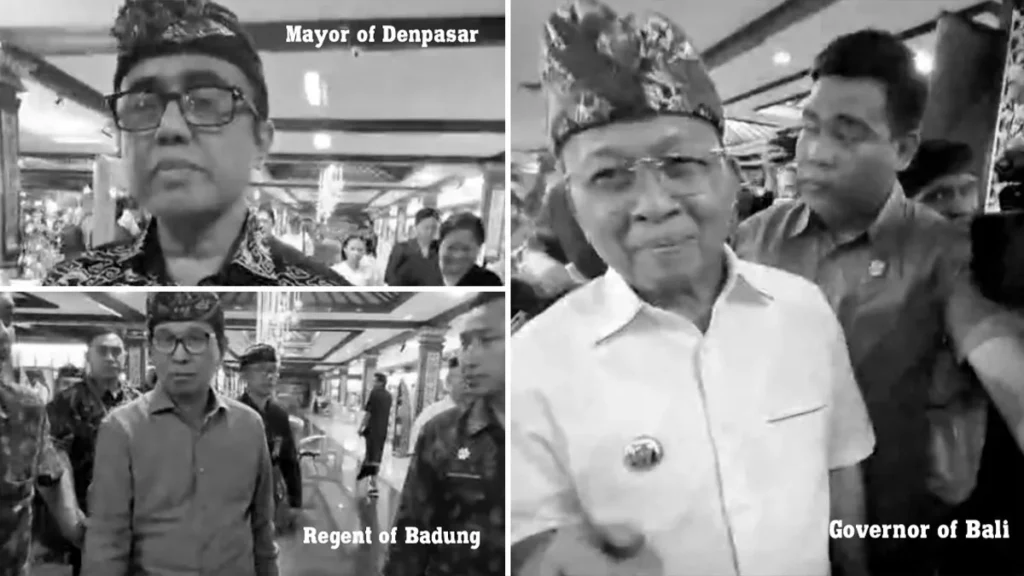
DENPASAR, Bali — In a critical meeting aimed at resolving the island’s protracted waste crisis, Bali’s top leaders have solidified a concrete plan and a hard deadline for closing the problematic Suwung landfill. Governor I Wayan Koster, Denpasar Mayor IGN Jaya Negara, and Badung Regent I Wayan Adi Arnawa have agreed to a four-point framework that mandates the landfill’s permanent closure by February 28, 2026, with a firm pledge not to seek any further delays.
The agreement comes just days after the national Ministry of Environment and Forestry granted a final extension, moving the closure deadline from the original date of December 23, 2025. This new accord represents the local government’s detailed roadmap to meet that ultimatum and transition away from the environmentally harmful “open dumping” system that has been outlawed under Indonesian law for years.
The Four-Point Pact: A Blueprint for Transition
The leaders’ agreement outlines a phased and accountable approach:
- Legal Imperative: The closure is framed as a non-negotiable legal obligation. The practice of open dumping at Suwung violates National Law No. 18 of 2008 on Waste Management and Bali Provincial Regulation No. 5 of 2011, which carries penalties of up to six months’ imprisonment or fines of IDR 50 million for violations.
- Final Deadline: The Mayor and Regent committed “in earnest” that Suwung will be closed by February 28, 2026. Crucially, they agreed not to request any additional extensions. Effective March 1, 2026, no waste from Denpasar or Badung—the two regions generating the most waste—will be accepted at the site.
- Immediate Reduction: During the transition period, the amount of waste these two regions can send to Suwung is immediately slashed by 50%. The remaining half must be handled through decentralized, source-based solutions. These include modern composting (teba modern), community-scale Reduce-Reuse-Recycle facilities (TPS3R), integrated waste processing sites (TPST), and mobilizing local community leaders.
- Search for Alternatives: While awaiting the construction of a large-scale Waste-to-Energy Plant (PSEL), Denpasar and Badung are tasked with finding and implementing other environmentally friendly technological solutions for final waste processing.
A Test for Bali’s Sustainable Future
Governor Koster called on all parties and communities to implement the plan diligently, emphasizing compliance with Bali Governor Regulation No. 47 of 2019 on Source-Based Waste Management. This localized approach, which empowers households and villages to sort and process organic waste, is central to Bali’s strategy for reducing pressure on any single landfill site.
For residents and the international community, this agreement signals a definitive, if delayed, countdown to a major shift in Bali’s infrastructure. The success of this transition will be a litmus test for the island’s ability to balance rapid development with the environmental stewardship required to preserve its natural beauty and livability. The message from leaders is now unequivocal: the era of relying on Suwung is ending, and the search for sustainable alternatives has entered its most urgent phase.
Reported by Ferry Fadly
Written by Hey Bali Newsroom