
A woman, previously imprisoned for 16 years on narcotics charges, faces life sentence after latest arrest in Denpasar highlights ongoing challenges with illicit substances in tourist areas.
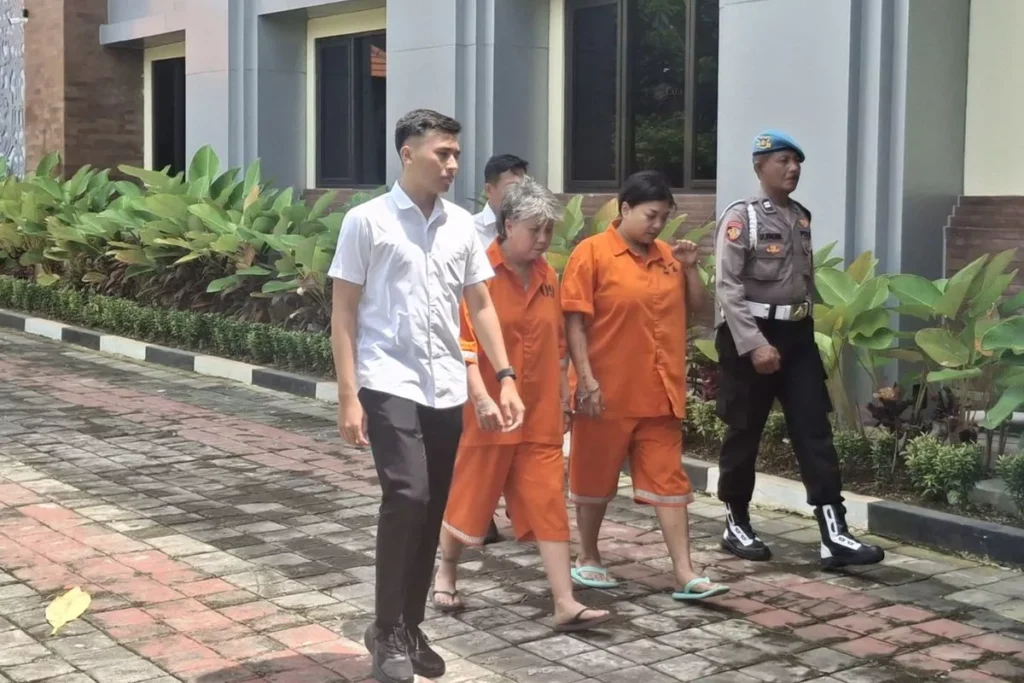
DENPASAR, Bali – In a case underscoring the persistent struggle against narcotics within Bali’s tourist hubs, local police have arrested a repeat offender allegedly involved in distributing drugs to visitors. The suspect, identified as SU alias Sevty (40), from Bandung, West Java, displayed a striking defiance when presented to journalists on Wednesday, despite facing the possibility of life imprisonment.
Sevty, who served a 16-year sentence for a similar conviction from the West Jakarta District Court in 2010, was released in 2019. According to authorities, she relocated to Bali approximately one year ago, seeing an opportunity in the island’s tourist market. “Over there [Jakarta] it wasn’t working, here she saw a chance because there are many tourists,” said Komisaris Polisi M Akbar Eka Saputra Samosir, Head of the Denpasar Police Narcotics Unit.
The arrest occurred on Monday, January 5, 2026, around 10:00 PM local time, at a boarding house on Jalan Pulau Demak in Denpasar. Sevty was apprehended alongside another woman, GN alias Grace (53). Police confiscated evidence including 7 plastic clip bags of methamphetamine (“sabu”), 304 ecstasy pills, and 2 plastic clip bags of marijuana.
The suspects reportedly told police they sourced the illicit substances from a man known as “Koko” for onward sale. Their alleged payment scheme involved receiving 150,000 Indonesian Rupiah per gram of methamphetamine sold and 50,000 Rupiah per ecstasy pill. The marijuana was purportedly purchased for their personal consumption.
When escorted back to holding cells after the press conference, Sevty appeared indifferent, telling reporters,
“Whatever. Just make sure the news is correct,” with a faint smile.
Both suspects have been charged under Article 609, paragraph (2) of Republic of Indonesia Law Number 1 of 2026 concerning adjustments to narcotics penalties. This statute carries a maximum penalty of life imprisonment or a prison term of up to 20 years.
The case highlights the ongoing operational challenges for Balinese authorities in curbing drug networks that explicitly target the transient tourist population, a demographic often sought by traffickers. It also raises questions about the rehabilitation and monitoring of high-risk convicts after their release.
Hey Bali News provides this reporting as part of our commitment to informing the international community and local residents about significant safety and legal developments on the island.