
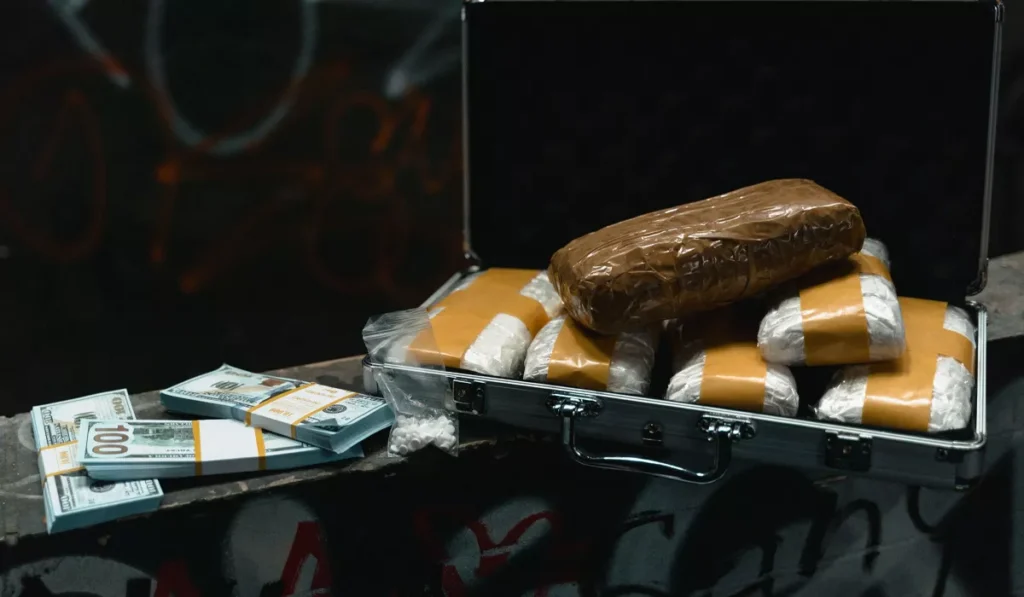
DENPASAR, Bali – Nearly 19 kilograms of illicit drugs, including cocaine and methamphetamine, were intercepted in Bali during the first half of 2026, underscoring the island’s continuing role as one of Indonesia’s most active entry points for international drug trafficking despite intensified enforcement efforts.
Indonesia’s Directorate General of Customs and Excise (DJBC) said officers carried out 59 narcotics enforcement operations across Bali between January and June, seizing a total of 18.858 kilograms of illegal drugs. Authorities estimate the confiscated narcotics could have reached as many as 30,000 people had they entered circulation.
For millions of international visitors who know Bali primarily for its beaches, surf breaks, and nightlife, the figures offer a reminder of another reality: the island’s status as a global tourism destination also makes it an attractive transit point for transnational criminal networks.
A Strategic Gateway for Smuggling
Iyan Rubiyanto, Head of the Directorate General of Customs and Excise for Bali, West Nusa Tenggara, and East Nusa Tenggara, said Bali’s extensive international connections continue to make the province a frequent target for narcotics syndicates.
“Bali is one of the gateways used for narcotics smuggling,” Iyan said during a press briefing in Denpasar on Thursday.
Among the drugs seized were cocaine, methamphetamine (locally known as shabu), and other controlled narcotic substances. Customs officials did not immediately provide a detailed breakdown by drug type or specify how the narcotics were concealed or transported.
Why Bali Continues to Be Targeted
With direct flights linking Bali to dozens of cities across Asia, Australia, the Middle East, and Europe, authorities have long regarded the island as one of Indonesia’s highest-risk locations for cross-border drug trafficking.
Smuggling methods have evolved over the years, ranging from passenger luggage and international courier shipments to increasingly sophisticated concealment techniques. Customs officers routinely work alongside Indonesia’s National Narcotics Agency (BNN), police, immigration officials, and airport authorities to detect illegal shipments before they reach local distribution networks.
Officials say enforcement has become increasingly intelligence-driven, relying on passenger profiling, cargo screening, and international information sharing rather than random inspections alone.
Indonesia’s Tough Drug Laws
The seizures also highlight Indonesia’s uncompromising stance on narcotics offenses.
The country enforces some of the toughest anti-drug laws in the world, with trafficking offenses carrying penalties that include life imprisonment and, in the most serious cases, the death penalty. Foreign nationals have repeatedly been arrested and prosecuted under Indonesia’s narcotics laws, making drug-related crime one of the highest-risk legal issues facing international visitors.
Authorities continue to urge travelers to remain vigilant about their luggage and personal belongings, particularly when crossing international borders, warning that even unknowingly transporting illegal substances can have severe legal consequences.
Thousands of Potential Victims Prevented
Based on government estimates, the 18.8 kilograms of narcotics seized during the first six months of the year prevented approximately 30,000 people from being exposed to illegal drugs.
While Bali remains one of Southeast Asia’s safest and most popular tourist destinations, customs officials say the latest figures demonstrate that the island continues to face persistent pressure from international trafficking networks, reinforcing the importance of ongoing border security and coordinated law enforcement operations.
How much illegal drugs were seized in Bali during the first half of 2026?
Authorities seized 18.858 kilograms of narcotics during 59 enforcement operations conducted between January and June 2026.
What types of drugs were confiscated?
The seizures included cocaine, methamphetamine (shabu), and other illegal narcotic substances.
Why is Bali considered a drug smuggling gateway?
Its international airport, busy tourism sector, and extensive global flight connections make Bali an attractive transit point for international trafficking syndicates.
Can foreign tourists face severe penalties for drug offenses in Indonesia?
Yes. Indonesia has some of the world’s strictest drug laws, with trafficking offenses punishable by life imprisonment or, in certain cases, the death penalty.