

A late-night fire at a private villa in Tibubeneng has developed into one of the most talked about legal disputes in Bali this month. The case, which began with a personal conflict between a Spanish visitor and a local transgender woman, is now prompting wider questions about Bali tourist rights, intimidation tactics, and how foreign nationals should respond when they face threats involving immigration.
The incident took place on 21 August when the victim, identified as Gonzalo, discovered flames spreading across the thatched roof of his villa’s garage. He managed to put out the fire before it reached the main structure. Police later detained a 28-year-old transgender woman from Konawe named April Jumadil Awal, also known as Laura, after CCTV footage showed her near the property shortly before the blaze.
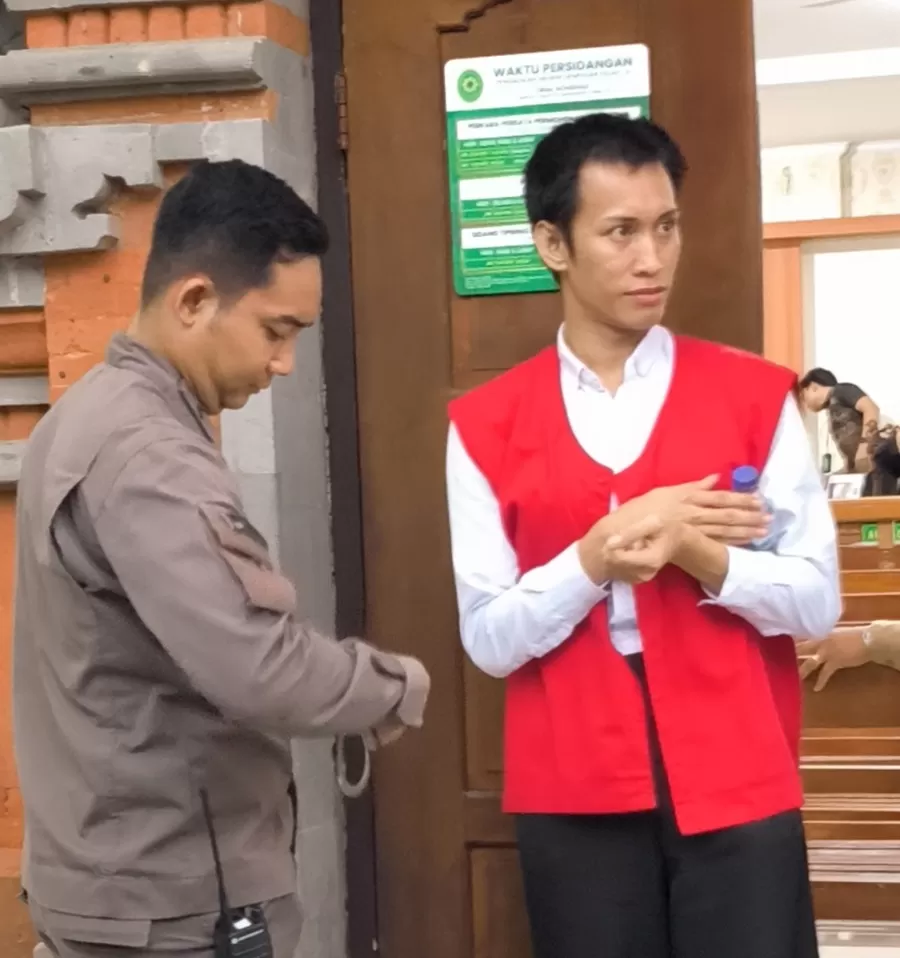
In court, prosecutors argued that the fire was deliberate. The defendant is charged under Article 187 of the Criminal Code for intentionally setting a fire that could endanger life and property. The criminal allegation carries a potential prison sentence.
Conflicting Stories Behind the Fire
Testimony presented in court reflects two sharply different narratives. According to the victim, who testified in a session reported by Radar Bali, the defendant was upset after being asked to leave the villa shortly before the incident. The massage service she initially offered did not proceed. The victim said he became suspicious when he realized she was transgender and asked her to leave, which led to an argument.
The defendant, however, claimed that she and the victim had a romantic connection and that tensions escalated when he learned she had a new partner. She denied harming him and said she only returned to the villa because she felt distressed after being pushed out.
She also told the court that she later apologized through WhatsApp after being asked to pay financial compensation. She said she felt pressured and feared imprisonment if she did not comply.

Claims of Threats and Immigration Pressure
During the hearing, the victim told the court that he had received threats from a lawyer claiming to represent the defendant. He said the lawyer warned he could be reported to immigration authorities unless he returned the compensation money. The victim denied any wrongdoing and said the fire incident had placed him in danger.
These details have unsettled many expats who followed the case closely. The idea that immigration status could be used as leverage in a personal dispute is raising fresh debate about Bali tourist rights, legal clarity, and how easily foreigners can be targeted through intimidation.
Claims of Threats and Immigration Pressure
During the hearing, the victim told the court that he had received threats from a lawyer claiming to represent the defendant. He said the lawyer warned he could be reported to immigration authorities unless he returned the compensation money. The victim denied any wrongdoing and said the fire incident had placed him in danger.
These details have unsettled many expats who followed the case closely. The idea that immigration status could be used as leverage in a personal dispute is raising fresh debate about Bali tourist rights, legal clarity, and how easily foreigners can be targeted through intimidation.
A Wider Pattern That Needs Attention
Giostanovlatto, a Bali tourism observer and founder of Hey Bali, said the case should serve as a reminder that visitors and expats need clear protection when they face a legal dispute or feel pressured by threats involving visas. He added that problems like these often arise quietly and rarely make it to court.
“The fear usually comes from immigration threats. Many foreigners stay silent because they think speaking up will put their visa at risk. You should never let fear guide you when you are the victim,” he said. “If you ever face a situation that harms you, contact Hey Bali. We accompany you at no cost. We are not a law firm, but we stand beside you when you need to file a police report or when your case needs media attention.”
Introducing Hey Bali 911
As part of this initiative, Hey Bali is rolling out Hey Bali 911, a support channel for both tourists and expats who feel unsafe, threatened or unfairly treated. The aim is to ensure that genuine victims receive guidance on how to report cases to the police and how to protect their rights. The service also helps bring legitimate cases to public attention so they cannot be quietly dismissed.
Hey Bali 911 operates only for cases where foreigners are victims, not offenders. The goal is to help visitors navigate local systems without fear, particularly when immigration is used by third parties as a tool of intimidation.
What This Case Means for Bali Tourist Rights
The Tibubeneng villa case highlights how personal conflicts can escalate into legal battles that involve complex cultural, social and immigration factors. For Bali to continue welcoming global visitors, clearer systems and stronger safeguards are needed. Cases like this show that accountability must apply to everyone to avoid misunderstandings and to protect community trust.
For visitors and expats, the message is simple. If you face intimidation, threats or pressure involving your visa, remember that you have rights. Seek help, speak up, and do not allow fear to silence you. Services like Hey Bali 911 exist to ensure no one navigates these challenges alone.
Bali remains one of the world’s most admired destinations. Strengthening Bali tourist rights is essential to preserving that trust for everyone who calls the island home, whether for a week or a lifetime.
Reported by Fabio Agung
Written by Hey Bali Newsroom