
For many visitors, Bali is defined by its seasons.
The lush green rice terraces of Ubud. Waterfalls flowing at full strength. Tropical rainstorms that arrive suddenly before giving way to brilliant sunsets.
But climate experts are warning that the rhythm of those seasons could become increasingly disrupted.
Indonesia’s Meteorology, Climatology, and Geophysics Agency (BMKG) says the country is heading into a significantly drier-than-normal dry season in 2026, with forecasts suggesting that El Niño conditions could persist into early 2027.
If the predictions prove accurate, the effects could extend far beyond weather forecasts, touching everything from tourism and agriculture to public health and water security.
A Longer, Hotter Dry Season
According to BMKG, much of Indonesia will experience the peak of the dry season between July and September 2026.
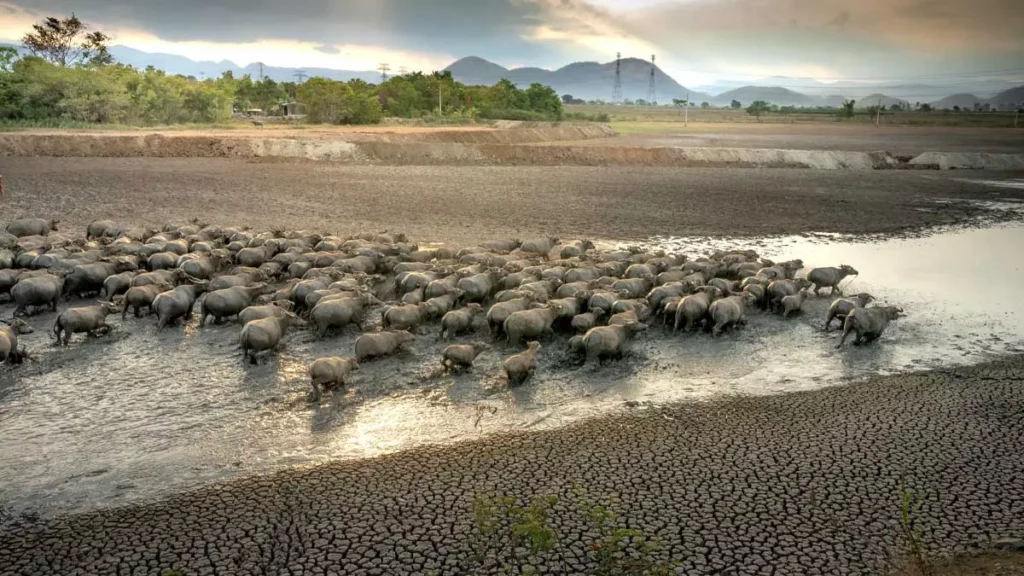
The agency expects drought conditions to expand across large parts of the archipelago during that period, including Bali, Lombok, Java, Kalimantan, Sulawesi, and Papua.
While Bali is no stranger to dry seasons, climate officials say the coming months may be notably hotter and drier than average.
The concern is not simply the lack of rainfall.
A prolonged dry season can increase the risk of water shortages, reduce agricultural productivity, worsen air quality, and heighten the threat of forest and land fires across vulnerable regions.
Why El Niño Matters
El Niño is a naturally occurring climate pattern that develops when sea surface temperatures in the central and eastern Pacific Ocean become unusually warm.
For Indonesia, the phenomenon typically means one thing: less rain.
BMKG’s latest projections indicate a 98 percent probability that El Niño conditions will remain at least moderate in strength through early 2027. The chance of a strong El Niño event is estimated at 62 percent.
Although the direct impacts on Indonesia are expected to be most pronounced during the 2026 dry season, meteorologists say the broader climate pattern could continue influencing regional weather well into next year.
What Travelers and Expats Should Expect
For tourists planning trips to Bali, the forecast is not necessarily bad news.
The dry season is traditionally considered the island’s most desirable travel period, offering clear skies, lower humidity, and ideal conditions for outdoor activities.
However, prolonged drought can bring challenges that many visitors rarely consider.
Popular waterfalls may experience lower water flow. Rural communities could face pressure on water supplies. Air quality can deteriorate if fires occur elsewhere in Indonesia, with smoke occasionally drifting across regions.
For expatriates and long-term residents, water conservation may become increasingly important as reservoirs and groundwater resources come under strain.
Beyond Tourism
The larger concern lies beyond Bali’s beaches and resorts.
Across Indonesia, millions of people depend on seasonal rainfall for farming and food production. Extended dry conditions can reduce crop yields, increase irrigation costs, and place additional pressure on local economies.
Health officials are also monitoring potential increases in respiratory illnesses linked to dust, smoke, and worsening air pollution during prolonged dry spells.
Recognizing these risks, BMKG says it is working closely with local governments, disaster management agencies, and regional authorities to strengthen mitigation efforts before conditions intensify.
A Reminder of a Changing Climate
Indonesia has experienced major El Niño events before.
But as climate variability becomes increasingly pronounced, experts say communities must adapt to weather patterns that are becoming less predictable and more extreme.
For Bali, the coming months may still deliver the sunny days that travelers love.
Yet behind the postcard-perfect skies, a larger story is unfolding—one that highlights how even paradise remains vulnerable to the forces shaping the global climate.
The dry season may bring beautiful weather.
It may also offer a glimpse of the environmental challenges that Indonesia could face long after the tourists have gone home.