

DENPASAR, Bali — In a decision aimed at balancing economic growth with workers’ livelihoods, Bali’s provincial government has officially set the 2026 minimum wage. The new Provincial Minimum Wage (UMP) will be Rp 3,207,459 per month, reflecting a 7.04% increase from the 2025 level.
The new rate, which will take effect on January 1, 2026, was formalized by Governor I Wayan Koster through a decree issued on December 19, 2025. Notably, the wage for the critical tourism sector—specifically within the Accommodation and Food & Beverage industries—has been set slightly higher. The 2026 Sectoral Minimum Wage (UMSP) for these businesses will be Rp 3,267,693 per month.
Governor Koster framed the announcement as the result of timely and collaborative effort. “The Provincial Wage Council has completed its duties on time, even before the set deadline of December 24, 2025,” he stated in a written release. “All parties involved have ensured that the determination of the UMP and UMSP is fair and aligns with the economic needs of the Balinese community.”
A Collaborative and Deliberate Process
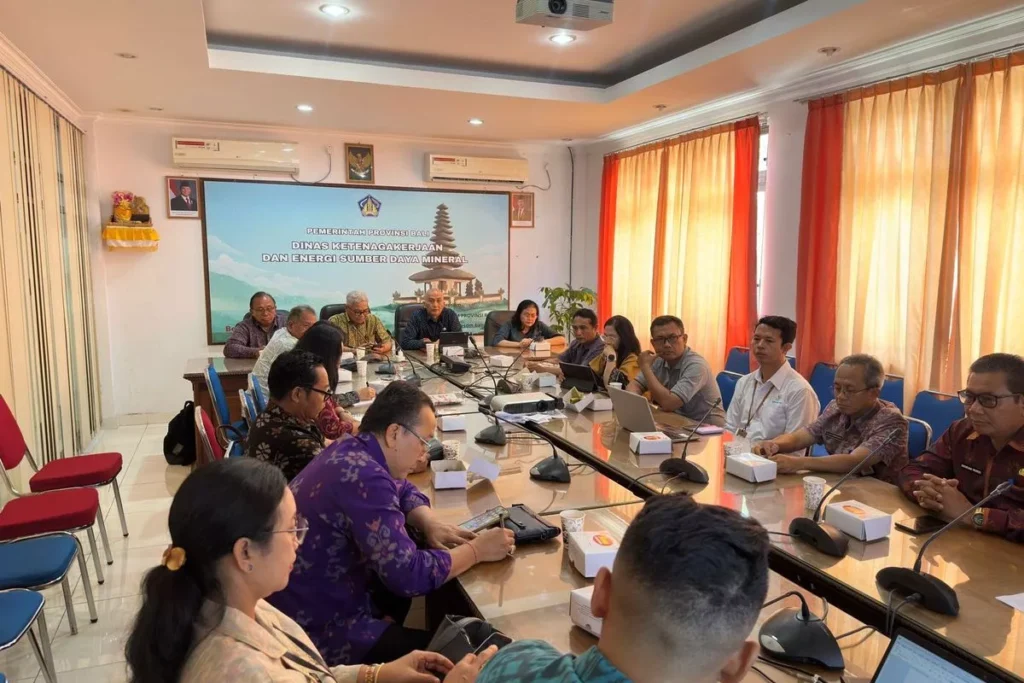
The finalized figures followed a formal negotiation process within the Bali Provincial Wage Council, a body comprising government officials, academics, employer associations, and labor unions. The council reached a consensus during a session on December 18, 2025, before submitting its recommendation to the governor.
This process aligns with national wage-setting reforms established by a 2023 Constitutional Court ruling and subsequent government regulations. The goal, as highlighted in the governor’s statement, is to “create a balance between a decent living for workers and business sustainability for companies.”
Governor Koster emphasized the importance of continued cooperation, stating, “Going forward, synergy and collaboration between the government, academics or experts, employer organizations, and worker unions must be further enhanced.” This collaboration is seen as vital for the successful implementation of the new wages through effective guidance, socialization, and on-the-ground monitoring.

Implications for Bali’s Business and Expatriate Community
For business owners and managers across Bali, especially within the hospitality sector, this increase represents a direct operational cost adjustment that must be factored into 2026 financial planning. The higher UMSP for accommodation and F&B underscores the government’s focus on the island’s primary economic engine.
For the international community of expatriates, digital nomads, and long-term visitors, this policy decision is a window into Bali’s evolving socio-economic landscape. It reflects ongoing efforts to improve local livelihoods amid the island’s rapid development and high cost of living. Conscious travelers and businesses may see this as part of a broader move toward more equitable and sustainable tourism practices, where ensuring decent wages for the local workforce is integral to the industry’s long-term health and social stability.
Hey Bali News provides clear, contextual reporting on the economic and policy developments shaping life in Bali, offering our global audience trusted insight into the island’s progress.