
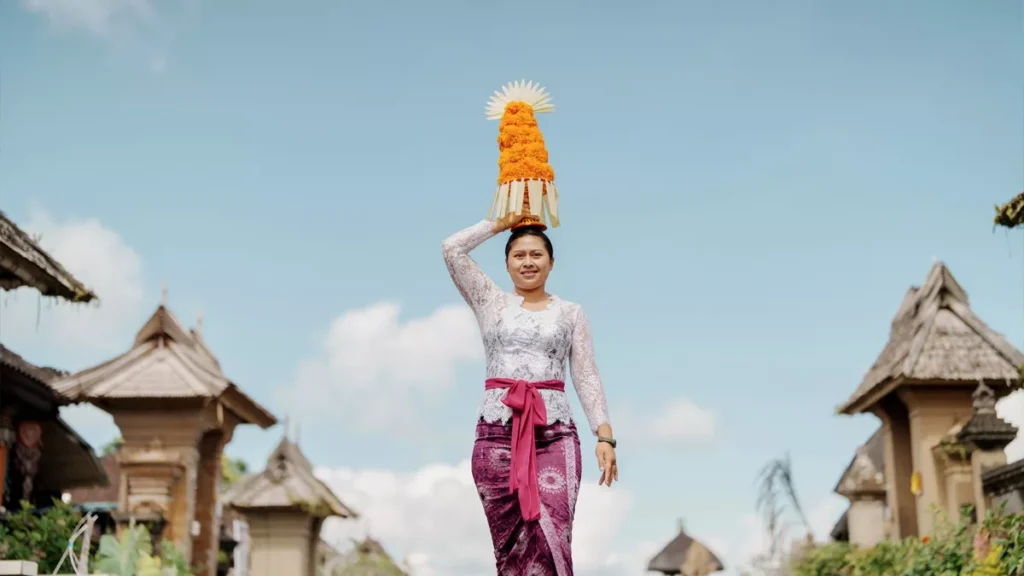
Why the Future of Indonesian Tourism May No Longer Belong to Bali Alone
BALI – For decades, Bali has dominated the world’s imagination of Indonesia.
Mention the country in London, Sydney, New York, or Berlin, and chances are the conversation quickly turns to surf breaks in Canggu, sunsets in Seminyak, or the emerald rice terraces of Ubud. For millions of travelers, Bali has become Indonesia.
Yet that perception tells only a fraction of the story.
Stretching more than 5,000 kilometers across the equator, Indonesia is the world’s largest archipelago, home to over 17,000 islands, hundreds of ethnic groups, and some of the planet’s most extraordinary landscapes. Increasingly, international travelers are beginning to look beyond Bali in search of something rarer: authenticity, space, adventure, and destinations that still feel undiscovered.
The shift is already underway.
As Bali grapples with overtourism, traffic congestion, rising accommodation prices, and mounting environmental pressures, a growing number of travelers are exploring the rest of the archipelago. International publications including Travel + Leisure, Condé Nast Traveler, and Lonely Planet have increasingly highlighted destinations that offer experiences every bit as compelling as Bali—often with fewer crowds and a stronger sense of discovery.
For expatriates living in Bali, digital nomads seeking a quieter alternative, or travelers searching for Indonesia’s next great destination, these are the islands and cities redefining the future of travel in Southeast Asia.
Raja Ampat: The Last Great Marine Wilderness

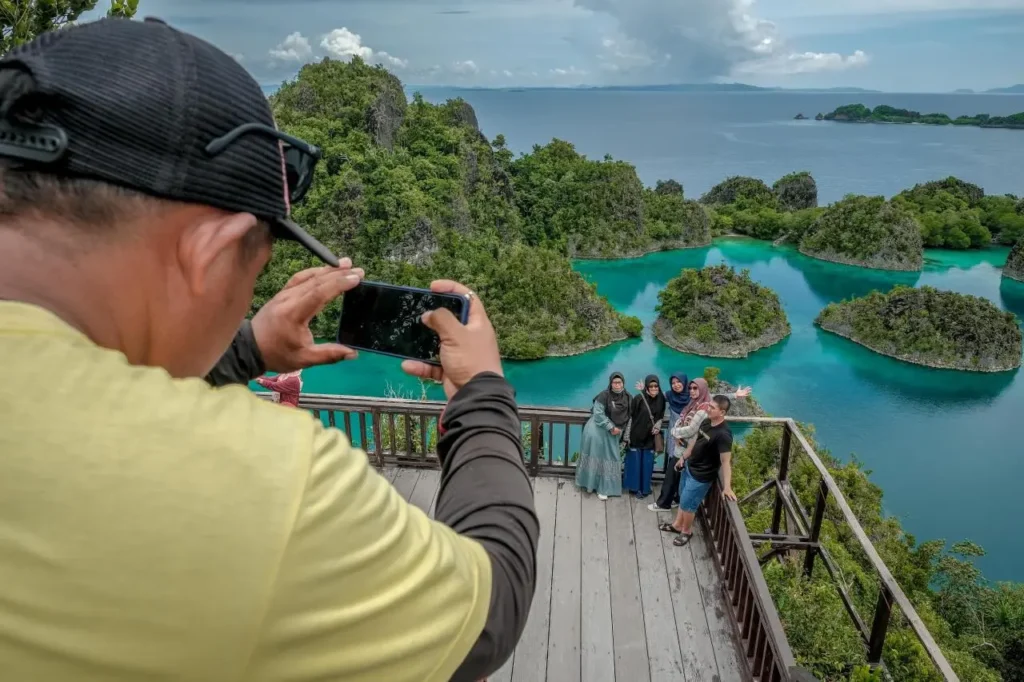
Indonesian Ministry of Tourism document
If Bali is Indonesia’s tourism icon, Raja Ampat is its ultimate dream.
Located in Southwest Papua, this remote archipelago sits at the heart of the Coral Triangle, a region widely recognized by marine scientists as the most biodiverse marine ecosystem on Earth.
The numbers are staggering.
More than 1,600 species of fish and hundreds of coral species inhabit these waters, creating an underwater world so rich that even veteran divers compare it to another planet.
Yet Raja Ampat’s magic extends far beyond diving.
Ancient limestone karst formations rise dramatically from turquoise lagoons. Dense tropical forests spill into hidden coves. Tiny islands appear untouched by time.
Arriving here feels less like checking into a destination and more like entering one of the last truly wild frontiers left on Earth.
But paradise comes with a warning.
Scientists and conservationists increasingly warn that climate change and rising visitor numbers could threaten the fragile ecosystems that make Raja Ampat extraordinary. The challenge facing the region is clear: how to welcome the world without losing what makes it unique.
Labuan Bajo: Where Dragons, Volcanoes, and Luxury Yachts Converge


A short flight east of Bali lies one of Asia’s most dramatic travel transformations.
Not long ago, Labuan Bajo was little more than a sleepy fishing town on the western edge of Flores. Today, it has become Indonesia’s premier gateway to exploration.
Most visitors arrive for one reason: Komodo National Park.
Here, the legendary Komodo dragon still roams rugged islands much as it has for millions of years. Encountering the world’s largest lizard in its natural habitat remains one of Southeast Asia’s most unforgettable wildlife experiences.
Yet the dragons are only the beginning.
Pink Beach glows with rare rose-colored sand. Manta rays drift through nutrient-rich waters. The panoramic ridges of Padar Island have become one of the most photographed landscapes in Asia.
Luxury phinisi yachts now sail routes that were once accessible only to fishermen and explorers.
For travelers accustomed to Bali’s beach clubs and wellness retreats, Labuan Bajo offers something entirely different: adventure on a cinematic scale.
Yogyakarta: Indonesia’s Cultural Soul

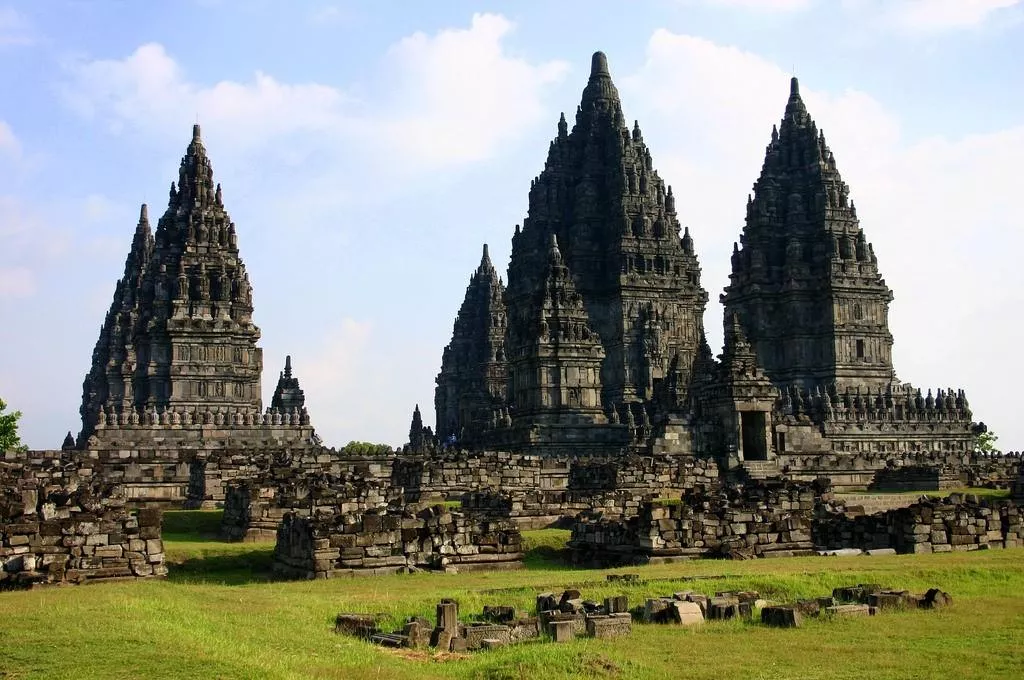
To understand Indonesia, one must eventually leave the islands and journey into the heart of Java.
Yogyakarta is often described as the cultural capital of Indonesia, but the label barely captures its significance.
This is a city where ancient traditions remain deeply woven into daily life. The Sultan still resides within the Kraton, the royal palace at the city’s center. Batik artisans continue techniques passed down through generations. The haunting sounds of gamelan music drift through courtyards and cultural centers.
Just beyond the city stand two of Southeast Asia’s most important monuments.
Borobudur, the world’s largest Buddhist temple, rises like a stone mandala above mist-covered plains. Nearby, the towering Hindu temples of Prambanan showcase some of the finest religious architecture ever built in the region.
Together, they tell the story of civilizations that flourished centuries before modern Indonesia existed.
For travelers seeking meaning beyond beaches and resorts, Yogyakarta offers something increasingly rare in global tourism: cultural depth.
Sumba: Indonesia’s Most Exclusive Secret

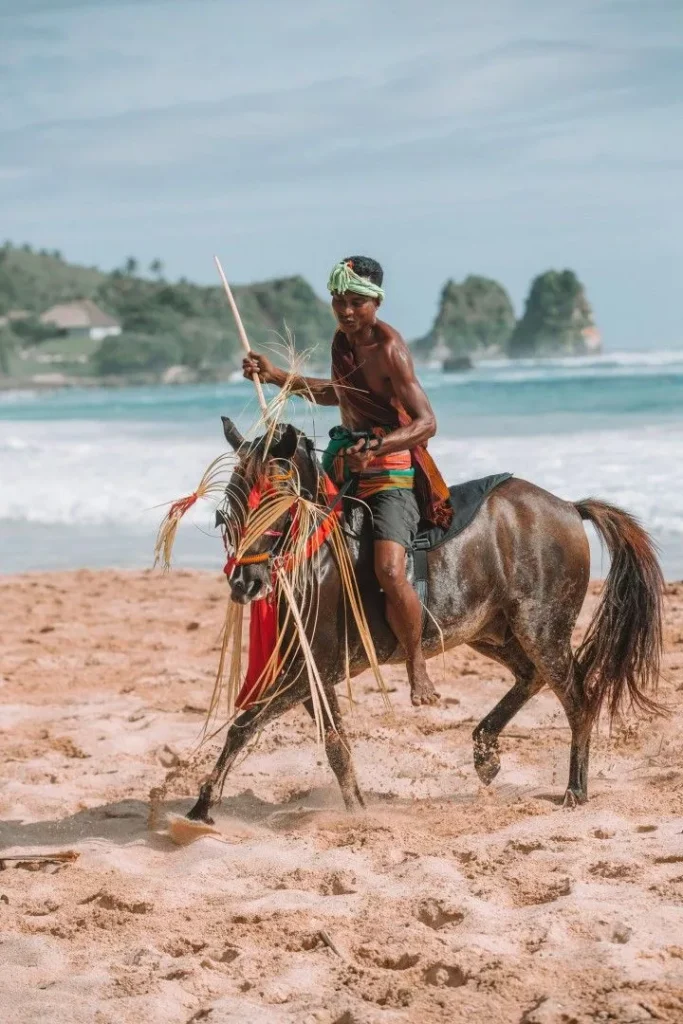
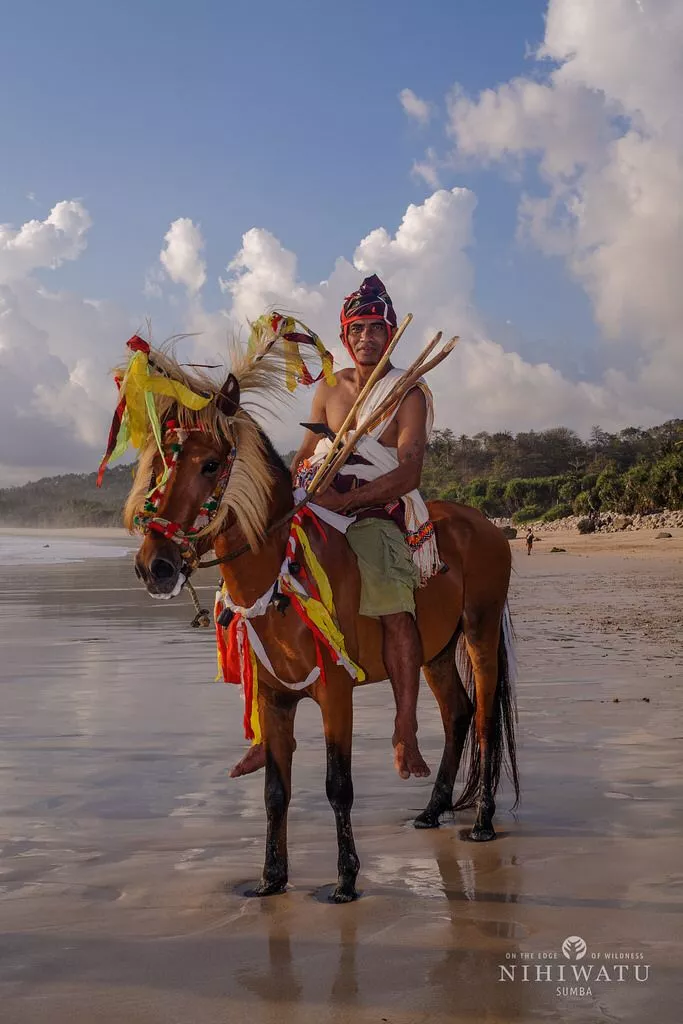
If Bali has become polished, curated, and globally recognizable, Sumba remains defiantly raw.
Located just east of Bali, the island feels like a different country entirely.
Rolling savannahs stretch toward the horizon. Wild horses race across open grasslands. Traditional villages built around megalithic tombs preserve customs that have endured for centuries.
One of the island’s most remarkable traditions is Pasola, a ritual horseback spear battle that continues to be practiced today. It is a reminder that Sumba’s identity remains deeply rooted in ancestral beliefs.
Yet Sumba is also undergoing a quiet transformation.
Over the last decade, some of the world’s most exclusive resorts have emerged along its coastline. Celebrities, entrepreneurs, and ultra-high-net-worth travelers are increasingly drawn to the island’s combination of luxury and isolation.
The contrast is striking.
Five-star villas overlook communities where traditional lifestyles remain largely unchanged.
It is both inspiring and complicated—a reflection of the broader tensions shaping tourism across Indonesia.
Lombok: The Quiet Alternative to Bali

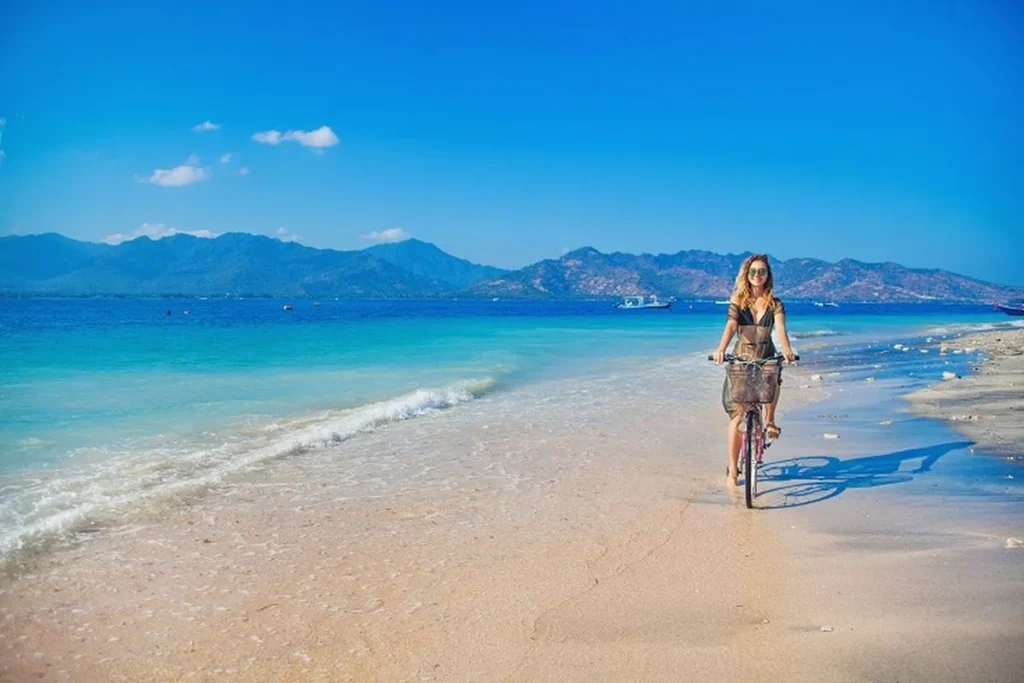
For years, Lombok lived in Bali’s shadow.
Now, many travelers prefer it that way.
Separated from Bali by only a narrow strait, Lombok offers a strikingly different atmosphere. The pace is slower. The roads are quieter. The beaches feel less crowded.
At its center stands Mount Rinjani, Indonesia’s second-highest volcano and one of Southeast Asia’s most spectacular trekking destinations. Reaching the crater rim at sunrise is often described as a life-changing experience.
Along the coastline, surfers discover world-class waves without the intensity of Bali’s busiest breaks. Offshore, the Gili Islands continue to attract divers, snorkelers, and travelers seeking a more relaxed island experience.
Lombok’s greatest strength may be its authenticity.
While Bali has evolved into a global tourism powerhouse, Lombok still feels connected to the rhythms of local Sasak culture, offering visitors a glimpse of Indonesia before mass tourism arrived.
The Bigger Story: Indonesia Beyond Bali
The future of Indonesian tourism may still pass through Bali.
But increasingly, it will not stop there.
Bali remains extraordinary. Few destinations on Earth combine spirituality, hospitality, natural beauty, and global accessibility so successfully.
Yet its success has also created new challenges.
Traffic congestion, infrastructure pressures, environmental concerns, and overtourism have pushed many travelers to seek new experiences elsewhere in the archipelago.
What they are discovering is remarkable.
An Indonesia where dragons still roam remote islands.
Where ancient kingdoms continue to shape daily life.
Where coral reefs rival any on Earth.
Where traditions older than modern nations remain alive.
And where some of the world’s last truly wild landscapes remain astonishingly untouched.
For decades, Bali was the beginning and end of the Indonesian travel story.
Today, it is increasingly just the beginning.
Beyond Bali lies an archipelago of 17,000 islands, each with its own culture, history, and sense of wonder.
For travelers willing to look further, Indonesia may be the greatest unfinished adventure in Asia.