
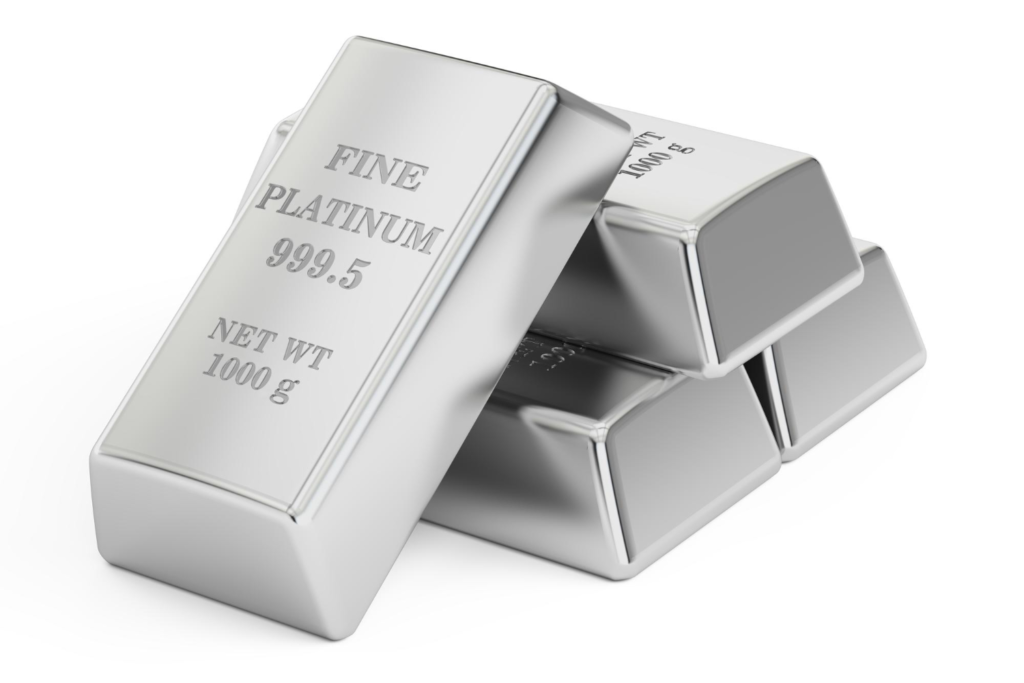
China’s aggressive push into artificial intelligence infrastructure and clean energy technology is poised to elevate platinum to a strategic status once reserved almost exclusively for gold, according to a new report from the World Platinum Investment Council (WPIC), even as the metal continues to grapple with a persistent supply crunch.
The findings, presented at the WPIC’s Shanghai Platinum Week conference and reported by Kitco News on Sunday, July 19, 2026, place China’s influence over the platinum group metals (PGM) market squarely at the center of the metal’s future trajectory. Industry leaders highlighted Beijing’s 15th Five-Year Plan as a key driver of platinum demand in the years ahead.
Beijing’s $300 Billion AI Bet
According to WPIC data, China has earmarked nearly $300 billion, roughly Rp 5.3 quadrillion at current exchange rates, for AI infrastructure development through 2030. That spending is generating fresh demand for platinum group metals across a wide swath of the technology sector, from semiconductor and hard disk drive manufacturing to industrial crystal production, printed circuit boards, optical interconnects, and hydrogen-powered backup systems for data centers.
Platinum is also expected to benefit from China’s large-scale expansion of its hydrogen economy, where the metal plays a critical role in hydrogen production and fuel cell-powered electric vehicles.
“The AI-related demand story for platinum is an added factor that the market is only starting to appreciate,” said Trevor Raymond, CEO of the WPIC. “More importantly, this hasn’t yet been factored into platinum supply and demand calculations.”
Some analysts suggest platinum could eventually rival gold’s standing in the Chinese market. For two decades, China has been a major consumer of physical gold, driven by investors seeking portfolio diversification and a government steadily building its official reserves. Industrial policy now tilting toward AI, advanced manufacturing, and hydrogen technology could position platinum for a similar strategic role.

A Supply Crisis Meets Rising Demand
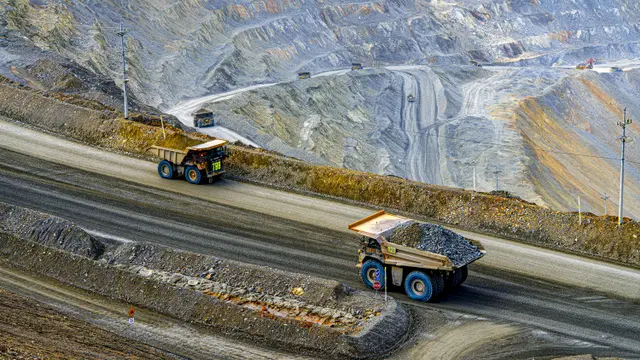
The surge in projected demand arrives at a precarious moment for platinum supply. The WPIC forecasts the platinum market will record its fourth consecutive annual supply deficit in 2026, a stretch that is expected to push above-ground inventories below three months’ worth of supply by year’s end.
Compounding the problem, mine supply remains structurally slow to respond to rising prices, given the industry’s long development timelines and the technical constraints of underground production.
“Given current fundamentals, platinum’s value proposition remains compelling,” Raymond said, noting that structurally limited supply continues to underpin the market.
Despite the tight inventory picture, mining executives who spoke at the conference expressed confidence that existing operations and brownfield expansion projects will be sufficient to meet long-term demand.
Chinese Investors Are Taking Notice
Beyond industrial demand, the conference also highlighted a notable rise in Chinese investment interest in platinum. According to the WPIC, China has been the world’s largest market for newly minted platinum bars and coins since 2023. Physical investment demand has grown sharply, from under one ton in 2019 to nearly 13 tons in 2025.
At the same event, the council announced a strategic partnership with Beijing Caishikou Department Store (Caibai), which will launch its first series of platinum investment bars, placing platinum alongside the store’s already-established gold and silver bar offerings. The WPIC also outlined plans to work with Chinese financial institutions to broaden investor access through platinum accumulation plans and exchange-traded funds, further cementing platinum’s foothold in China’s precious metals market.
A Cautious Price Outlook
Despite the largely optimistic tone at the conference, analysts caution the metal still faces headwinds. Persistent inflation concerns could push central banks toward tighter monetary policy, raising the opportunity cost of holding non-yielding physical assets like platinum.
Even so, analysts project platinum prices will remain supported by robust long-term demand, with prices expected to hold above $1,600 per ounce, roughly Rp 28.6 million.
What It Means Closer to Home
For Bali’s international community, precious metals markets rarely make front-page news, but the platinum story carries a quieter relevance. Many expats and long-term residents hold gold or platinum as part of retirement or currency-hedging strategies while living abroad, particularly given the rupiah’s historical volatility against major currencies. A structural shift in how platinum is priced and traded globally, driven by a market as large as China’s, could influence jewelry, investment bar pricing, and even the resale value of platinum items available in Bali’s gold and jewelry shops in the years ahead.