
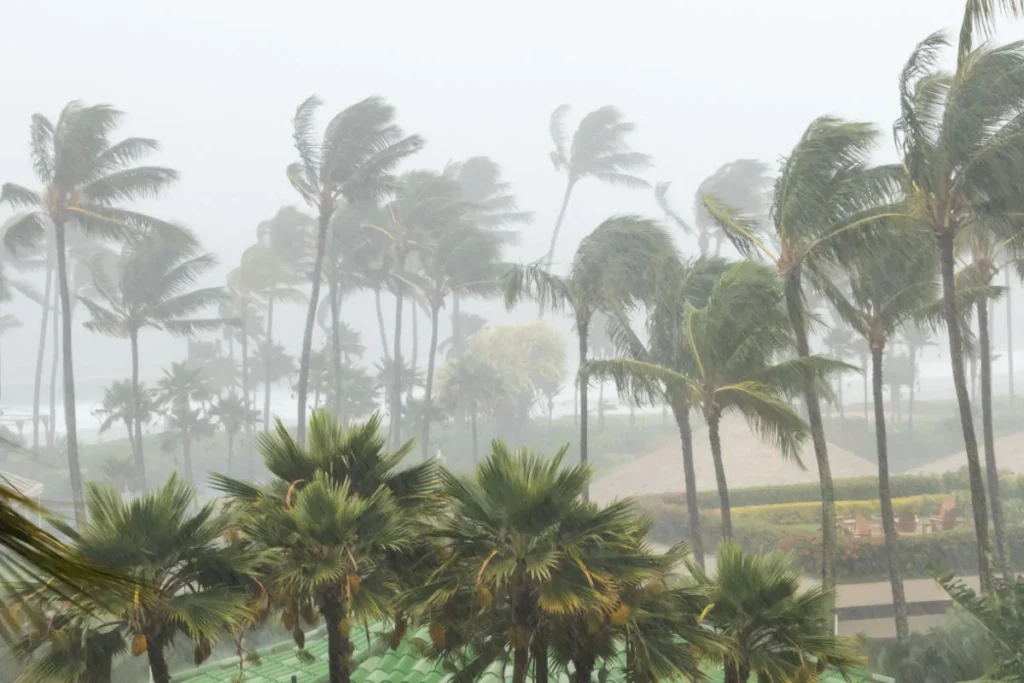
From February 11 to 17, the entire island faces heightened risks of severe thunderstorms, flooding, landslides, and hazardous sea conditions. Authorities urge residents and travelers to remain vigilant.
DENPASAR, Bali — The island’s meteorological authority has issued a stark warning: Bali has entered the peak of its rainy season, and the coming week will test its resilience.
In an official statement released Wednesday, February 11, 2026, the Bali Chapter of the Meteorology, Climatology and Geophysics Agency (BMKG) identified a significant window of extreme weather spanning February 11 to 17. The alert covers the entire province, from the bustling tourist corridors of Badung to the eastern regencies of Karangasem and the northern coast of Buleleng.
Cahyo Nugroho, Head of BMKG Region III Denpasar, explained that the convergence of several atmospheric phenomena is driving the heightened risk. “The Asian Monsoon cloud movement continues to exert strong influence over our region, compounded by the formation of wind convergence patterns over Bali,” he said.
Critically, the agency noted that moisture saturation extends to the upper atmospheric layer—as high as 200 mb—creating ideal conditions for intense convective activity. This, Cahyo warned, translates directly into “moderate to heavy rainfall accompanied by lightning, thunder, and strong winds.”
Beyond the Rain: Hydrometeorological and Maritime Threats
The warning extends far beyond wet roads and delayed flights. BMKG officials emphasized that the combination of sustained heavy rainfall and already saturated soil significantly elevates the risk of hydrometeorological disasters, including flash floods and landslides. These hazards are particularly acute in Bali’s hilly interior and areas with poor drainage infrastructure.
For those whose lives and livelihoods depend on the sea, the outlook is equally concerning. The agency forecasts wave heights reaching between 1.25 and 2.5 meters in several critical maritime zones:
- The southern section of the Bali Strait
- Badung Strait
- The southern portion of the Lombok Strait
- The expansive waters south of Bali
These conditions pose serious challenges for ferry services, fishing vessels, and leisure charters. Travelers planning crossings between Java and Bali, or venturing to the neighboring Nusa Islands and Nusa Tenggara, should anticipate disruptions and prioritize safety.
A Familiar Cycle, An Urgent Reminder
For long-term residents of Bali, this period is a familiar, if unwelcome, annual rite. February historically marks the apex of the west monsoon, a time when the island’s legendary drainage systems are tested and its volcanic slopes become prone to soil movement. Yet familiarity should not breed complacency.
The BMKG’s language is deliberately unambiguous. This is not a routine weather update but an early warning system activation. The agency’s reference to “extreme weather events” signals that the coming days may exceed typical seasonal norms.
What This Means for Bali’s Global Community
For the expatriates, digital nomads, and international visitors who call Bali home—even temporarily—this warning carries practical imperatives:
- Monitor official channels. Rely on BMKG’s real-time updates rather than informal weather apps or hearsay. The agency’s website and social media platforms provide region-specific alerts.
- Exercise extreme caution on roads. Reduced visibility, slick asphalt, and standing water increase accident risks. Motorcyclists, who form the backbone of Bali’s transport culture, are especially vulnerable.
- Avoid unnecessary sea travel. Small craft operators should heed maritime warnings. Even scheduled ferries may face cancellations or delays; build flexibility into itineraries.
- Prepare properties. Clear drainage channels, secure loose outdoor items, and, for villa managers, communicate contingency plans to guests.
- Heed evacuation cues. In landslide-prone areas such as Bedugul, Kintamani, and parts of Tabanan, residents should be prepared to move quickly if local authorities signal danger.
The Longer View
Bali’s relationship with water is profoundly ambivalent. The island’s celebrated rice terraces depend on an intricate irrigation system (subak) that channels rainfall with ancient precision. Yet that same life-giving force, concentrated and unrelenting, can transform into a destructive agent.
As climate patterns grow less predictable, the distinction between seasonal expectation and true emergency blurs. The BMKG’s warning, therefore, is not merely a seven-day forecast but a broader signal: that preparedness must become as permanent as the monsoon itself.
For now, the island waits. Clouds gather over the central mountains. The straits grow restless. And Bali, as it has for centuries, watches the sky.