
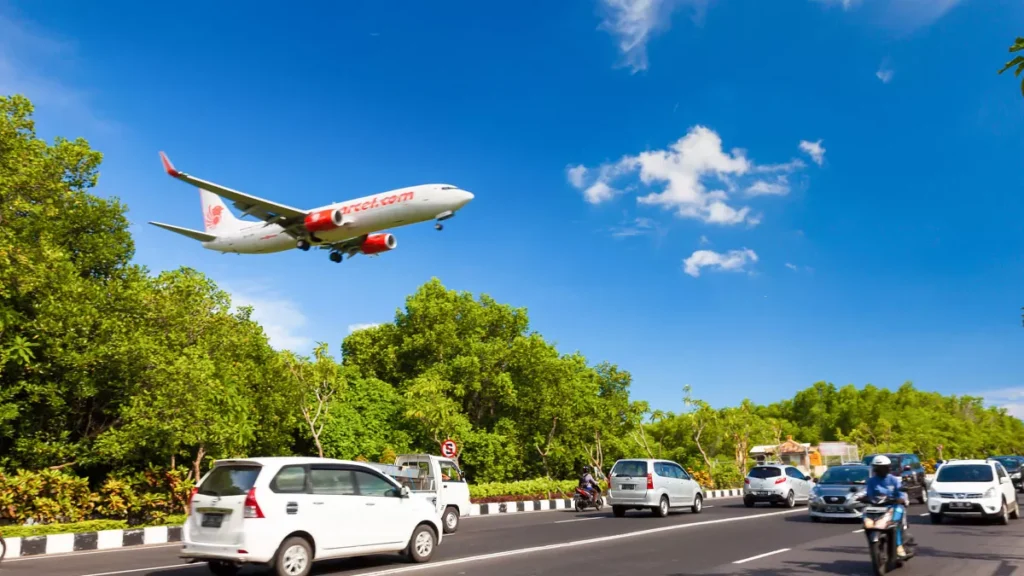
BALI, Indonesia – For many travelers planning a holiday in Bali this July, the first shock may arrive long before they reach the beach.
It appears on the airfare screen.
As the school holiday season approaches, one-way flights from Jakarta to Bali are now selling for between Rp1.7 million and Rp2 million, according to prices listed on major online travel platforms this week.
The flight takes less than two hours.
The cost, however, is becoming harder for some travelers to justify.
For those with flexible schedules and a tighter budget, there is another option: reach Bali the old-fashioned way.
By land and sea.
The journey is significantly longer. But it can cost hundreds of thousands of rupiah less.
Why Bali Flights Are Getting More Expensive
The timing is not surprising.
Indonesia’s school holiday period is expected to begin in late June and continue through mid-July, creating one of the busiest travel seasons of the year.
Higher demand typically pushes airfares upward, especially on popular domestic routes such as Jakarta–Bali.
For families traveling together, the difference can be substantial.
A family of four could spend close to Rp8 million on one-way flights alone before accommodation, meals, and activities are even considered.
That reality is prompting some travelers to look elsewhere.
The Cheapest Way: Bus to Bali

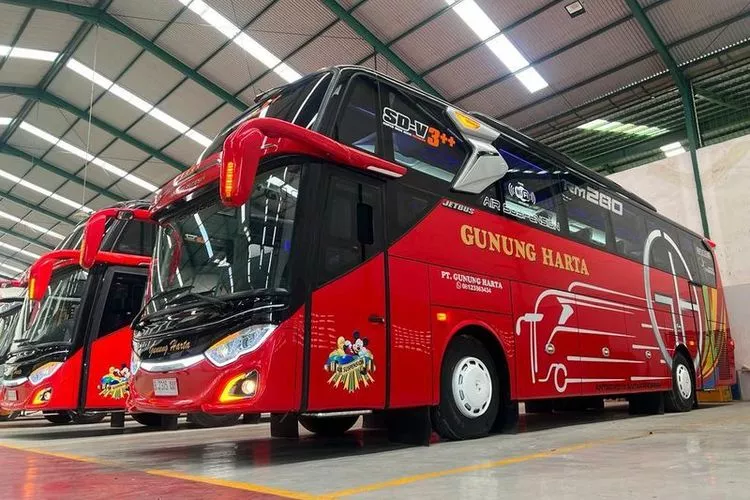
For travelers who value savings more than speed, long-distance buses remain one of the most affordable ways to reach the Island of the Gods.
Several intercity operators currently serve the Jakarta–Bali route, including PO Gunung Harta, PO Kramat Djati, PO Pahala Kencana, and PO Alendra.
Fares start at around Rp550,000 per person.
The catch?
The journey takes between 18 and 20 hours.
State-owned operator DAMRI also runs a Jakarta–Bali service, with tickets starting at approximately Rp600,000 and travel times of around 23 hours.
The service operates once a week from Jakarta and once a week from Denpasar.
Buses depart Jakarta every Friday at 4 p.m. from Kemayoran, Cawang, and Pulogebang, while return services leave Denpasar every Sunday at 4 p.m.
For budget travelers, however, the savings can be difficult to ignore.
The Scenic Route: Train to Bali

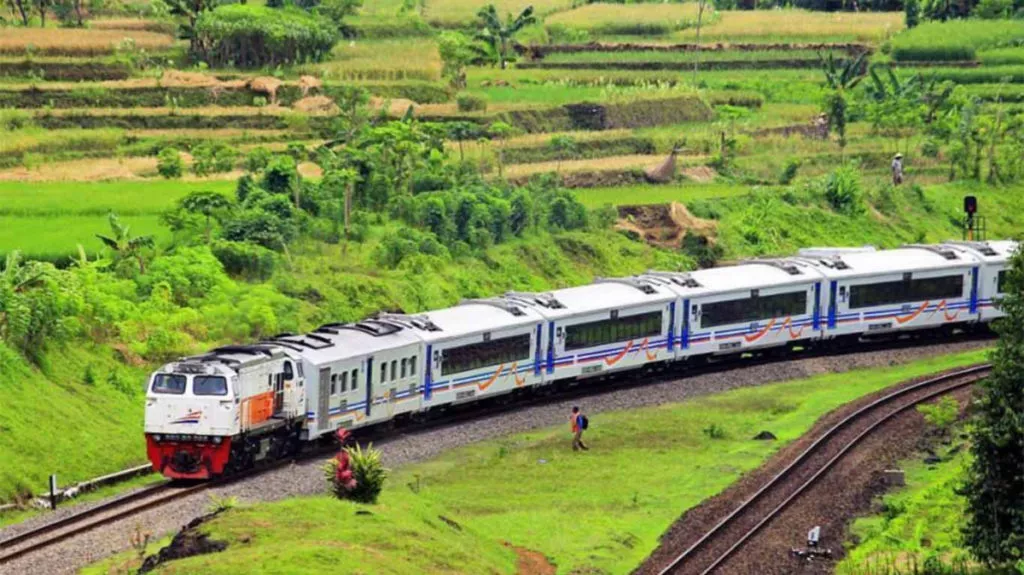
There is still no railway line connecting Java directly to Bali.
But travelers can get surprisingly close.
One of the most popular options is taking the daily Sangkuriang train from Bandung to Ketapang Station in Banyuwangi, East Java.
The train departs Bandung at 2:45 p.m. and arrives in Ketapang at approximately 6:53 a.m. the following morning after a journey of around 16 hours.
Along the way, passengers pass through some of Java’s most important cities, including Yogyakarta, Solo, Madiun, Surabaya, Probolinggo, Jember, and Banyuwangi.
Ticket prices range from approximately Rp450,000 to Rp2.5 million depending on the class selected.
For many travelers, the journey itself becomes part of the holiday.
Rice fields, volcanoes, mountain ranges, and small towns unfold outside the window for hundreds of kilometers.
The Final Crossing to Bali
Once in Ketapang, reaching Bali is surprisingly easy.
The ferry terminal is located just a short walk from the railway station.
From there, ferries operate regularly between Ketapang and Gilimanuk, connecting East Java to western Bali.
The crossing typically takes between 45 and 60 minutes.
During normal weather conditions, ferries run throughout the day and night with minimal waiting times.
Within an hour of leaving Java, travelers are standing on Balinese soil.
Time Versus Money
The decision ultimately comes down to one thing.
Time.
A flight from Jakarta to Bali takes around 110 minutes.
A bus journey can take 20 hours or more.
A train-and-ferry combination requires nearly a full day of travel.
But the savings are significant.
For backpackers, students, domestic tourists, and families traveling on a budget, the difference can easily cover several nights of accommodation, meals, scooter rentals, or attraction tickets.
Not for Everyone, But Still Worth Considering
Most international visitors will continue arriving through Bali’s Ngurah Rai International Airport.
And many domestic travelers will still choose the convenience of flying.
But when airfares climb during holiday periods, overland travel begins to look less like a sacrifice and more like a strategy.
The bus remains slow.
The train still takes all night.
The ferry still crosses the Bali Strait one vehicle deck at a time.
Yet for travelers willing to trade speed for savings, Bali remains accessible long after airfare prices have taken off.