

ULUWATU, Bali — A high-end restaurant and cocktail bar in Bali’s exclusive Uluwatu area faces serious allegations of discriminatory door policies, casting a shadow over the island’s reputation for hospitality. The incident, reported by local outlet Radar Bali, has ignited a fierce debate about inclusivity and respect for local residents in Bali’s tourism-dependent economy.
The allegation centers on IL Salotto, a venue on Jalan Labuan Sait that features Italian cuisine and live DJ performances. In the early hours of last Wednesday, two Indonesian tourism professionals, identified as BNK and RC, were reportedly denied entry while escorting their foreign client( December 17, 2025). According to their account, the foreign client was waved inside by security, while they were stopped.
“The security stated that locals were not allowed to enter, as it was management policy,” BNK recounted. When they requested clarification on any minimum spend or dress code, they received no substantive explanation. The situation escalated when the manager, an Italian national named Stevano, arrived and upheld the security’s decision, allegedly without citing any legal basis or specific violation.
For BNK and RC, the public rejection in front of their client was professionally damaging. “It undermined our position as guides and created a negative social impression,” RC stated. They argue this was not an isolated staff error but the implementation of a questionable internal policy, pointing to similar complaints found in online reviews.
Management’s Defense: Security, Sobriety, and Sandals
In a separate response, the venue’s Human Resources representative, Hellen Homenny, firmly denied any discriminatory policy. “We affirm that all visitors, regardless of origin, are allowed entry as long as they comply with the applicable rules,” she said.
Homenny explained that entry is refused only on grounds of security and comfort, primarily if guests are visibly intoxicated or wearing flip-flops into the club area. She acknowledged an “altercation” and that security—employed by a third-party contractor—had apologized for their “manner of communication.” The management plans to meet with local village officials to clarify the matter and has pledged to review CCTV footage.

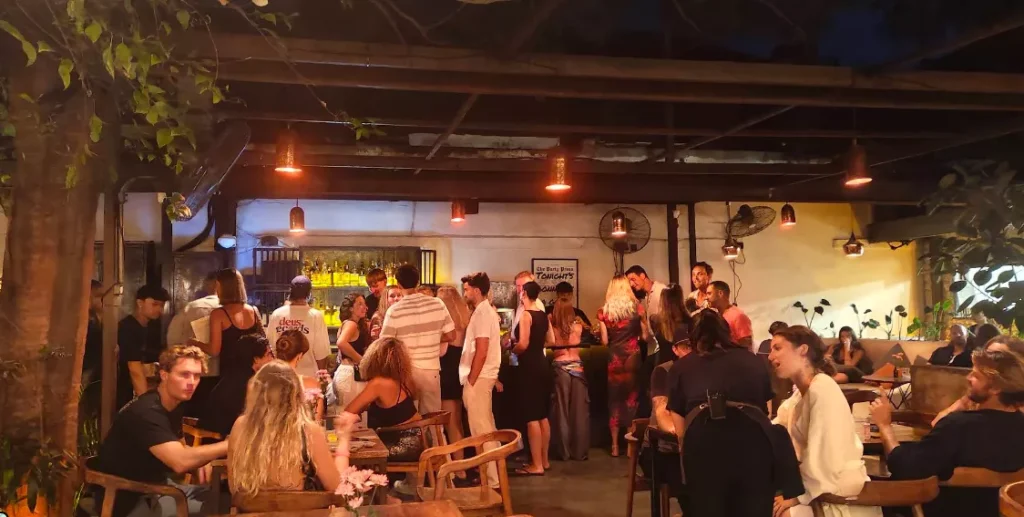
A Clash of Narratives and a Test for Bali’s Social Fabric
The conflicting accounts present a stark dichotomy. The patrons claim the denial was based solely on their nationality, with no mention of intoxication or inappropriate attire during the encounter. The management insists the decision was based on universal conduct and dress codes, albeit poorly communicated.


For Bali’s global community of expatriates and long-term visitors, the case touches a nerve. It raises uncomfortable questions about subtle segregation in upscale venues and the balance between creating an exclusive ambiance and fostering an inclusive environment. The incident also highlights the complex power dynamics where international management, local staff, and resident patrons intersect.
Legal observers note that such practices, if proven systematic, could contravene Indonesian laws against racial and ethnic discrimination. Beyond legality, the controversy strikes at the heart of Balinese cultural values, where the concept of tri hita karana—harmony among people, nature, and the spiritual—emphasizes respect and community.
As IL Salotto prepares its clarification with local authorities, the outcome will be closely watched. It serves as a critical test case for whether Bali’s lucrative hospitality industry can uphold global standards of non-discrimination while honoring the local community that forms its essential foundation.
Hey Bali News provides independent, culturally-grounded reporting for Bali’s international residents and visitors, committed to exploring the stories that define life on the island.