
IMPACT Research Center– In a decisive response to the mounting complexities of global mobility and tourism pressure, the Directorate General of Immigration has formalized a groundbreaking strategic partnership with Udayana University (Unud). The collaboration, cemented by a formal cooperation agreement, establishes the Indonesian Immigration Policy and Analysis Center (IMPACT), Indonesia’s first academically anchored hub for immigration policy and analysis, directly in Bali.
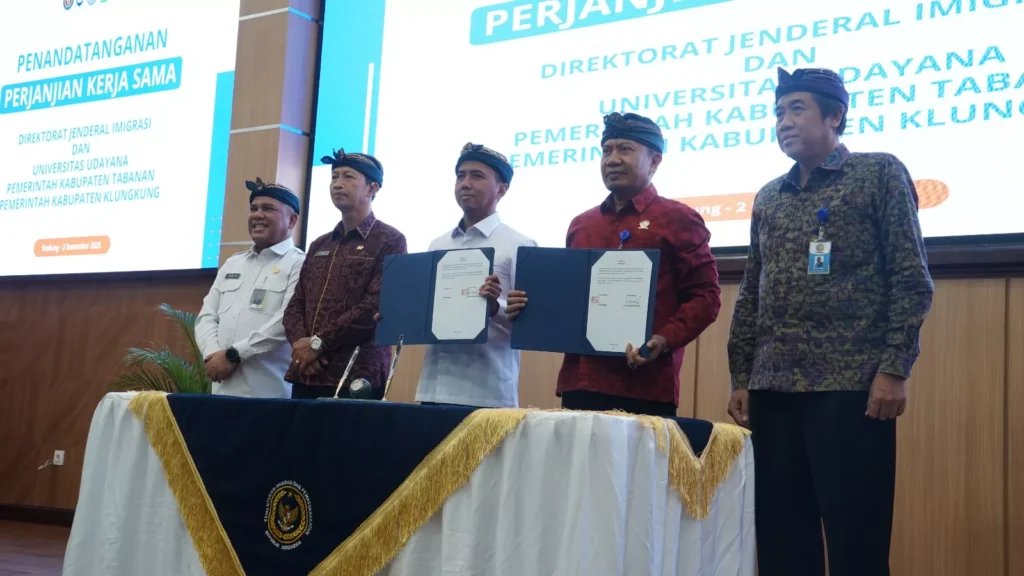
The signing ceremony, held at Udayana University’s Jimbaran campus, marks a pivotal shift from reactive enforcement to proactive, evidence-based governance. The agreement was signed by the University’s Rector, I Ketut Sudarsana, and the Director of Visa and Travel Documents, Eko Budianto, representing the Acting Director General of Immigration, Yuldi Yusman.
IMPACT Research Center: The Brain Trust for Bali’s Borders
The IMPACT center will operate within Unud’s Faculty of Law, functioning as a collaborative research nexus. Its mandate is to conduct comprehensive, data-driven analysis on Bali’s most pressing immigration challenges. Key focus areas include the abuse of tourist visas for unauthorized work, the proliferation of “nominee” arrangements in property investment, regulating the digital nomad phenomenon, and managing the arrival of foreigners from global conflict zones.
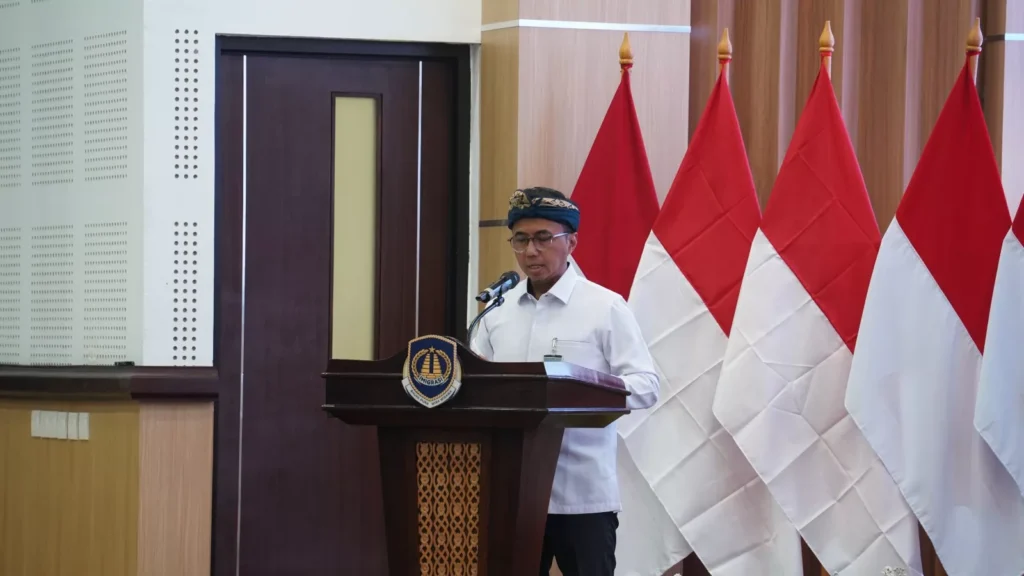
“Selective immigration policy can no longer be based on instinct; it must be evidence-based,” emphasized Acting Director General Yuldi Yusman during a public lecture. “The ease of tourism access is often misused, creating vulnerabilities in our economic, legal, and social fabric. Through IMPACT, we are integrating academic rigor to forge policies that protect Bali’s sovereignty, culture, and sustainable economy.”
A Direct Mandate from Immigration Leadership
The officials present underscored the operational necessity of this alliance. “Bali is facing heavy immigration pressure. We are seeing critical issues like visa misuse for work—especially by digital nomads—chronic overstay where fines are seen as trivial, and violations of local cultural and customary law,” stated Kakanwil Imigrasi Bali, Parlindungan, who also attended the ceremony. “This partnership with Udayana is not optional; it’s essential to develop smart, effective, and culturally aware solutions.”
From Theory to Practice: Integration into Academia
The partnership extends far beyond a research desk. Demonstrating a deep commitment to integration, the Faculty of Law at Udayana will introduce a compulsory Immigration Law course within its Master of Law program as a direct follow-up to this agreement.
“This cooperation is not limited to research. We are embedding immigration studies into our academic DNA to build future-ready legal expertise,” stated Rector I Ketut Sudarsana.
The five-year collaboration encompasses a multi-faceted approach:
- Provision of practitioner-lecturers from the Immigration Directorate.
- Joint research on legal and policy frameworks.
- Special scholarship programs for immigration personnel.
- A “Campus Impact” initiative engaging students in community education and intellectual cyber patrols to monitor online spaces for potential immigration violations.
Addressing Bali’s Critical Pressure Points
The urgency of this initiative is underscored by Bali’s staggering visitation numbers, with foreign arrivals projected to hit 7 million by year’s end. This influx has exacerbated critical issues, from chronic overstaying and cultural disrespect at sacred sites to the economic distortions caused by foreigners working illegally on tourist visas.
The IMPACT Research center is envisioned as the core of a “Smart Immigration” strategy that blends technology with intellectual firepower. While biometric screening and data integration are crucial tools, this partnership ensures policy is informed by profound local academic insight.
This landmark alliance between Indonesia’s immigration authority and its leading Balinese university signals a new chapter. It positions IMPACT as the essential crucible where practical field challenges meet rigorous academic analysis, aiming to transform Bali’s immigration framework into a smarter, more sustainable system for the future.
Reported by Ferry Fadly
Written by Hey Bali Newsroom