
The formal listing of dangerous waterways, some known for years, follows the fatal sinking of the Putri Sakinah and a new nighttime sailing ban, prompting questions about enforcement and prior risk communication.
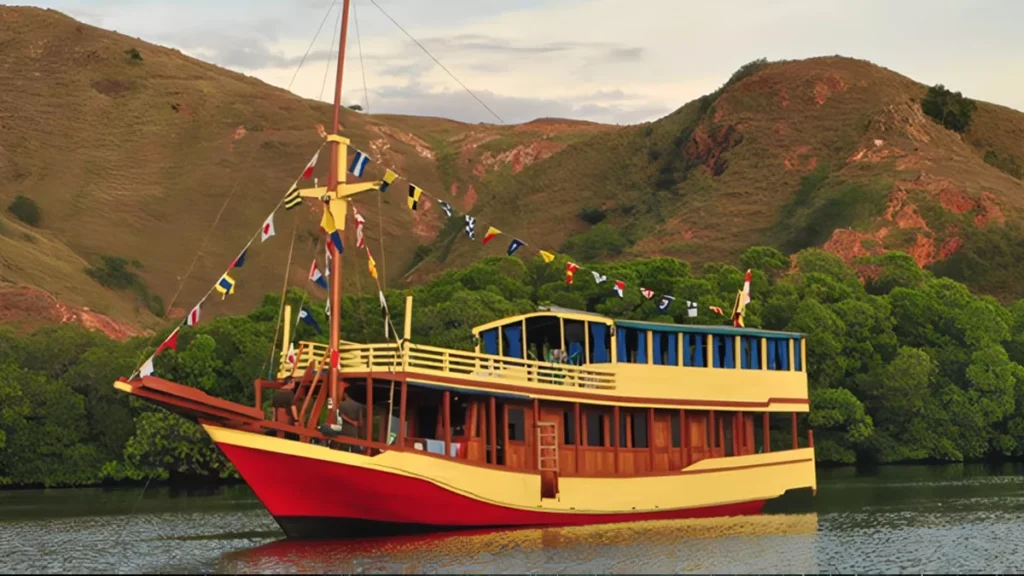
LABUAN BAJO, Indonesia — In a move that follows a deadly shipwreck and mounting public pressure, the port authority in Labuan Bajo has formally detailed ten specific waterways it classifies as high-risk for tourist vessels navigating Komodo National Park. Among them is the Padar Island Strait, the site where the KM Putri Sakinah sank in December, claiming the lives of Spanish football coach Martin Carreras Fernando and three of his children.
The Harbormaster and Port Authority (KSOP) stated that these zones, primarily within the national park, are prone to strong currents, high waves, sudden whirlpools, and rapidly changing weather. The announcement coincides with the lifting of a two-week sailing suspension and the imposition of a new ban on all tourist boat travel after dark.
A List Long Known, Now Reemphasized
Stephanus Risdiyanto, Head of KSOP Class III Labuan Bajo, confirmed that the locations have been officially designated as hazardous since 2023. “The dangerous locations have been announced since 2023, but we are informing [operators] again now,” Stephanus stated on Friday, January 9, 2026. The list was provided to vessel captains as a condition for resuming operations.

The 10 Identified High-Risk Locations:
- Perairan Pulau Kelor (Kelor Island Waters): Strong tidal currents.
- Perairan Batu Tiga (Batu Tiga Waters): Strong tidal currents, whirlpools.
- Selat Molo (Molo Strait): Strong currents, whirlpools.
- Selat Padar (Padar Strait): Strong currents, high waves, strong winds, whirlpools. (Site of the Putri Sakinah sinking).
- Perairan Loh Kima (Loh Kima Waters): Converging currents, strong winds, emerging coral reefs.
- Perairan Pulau Luwu (Luwu Island Waters): Strong currents, high waves, strong winds.
- Perairan Pulau Kerangga (Kerangga Island Waters): Strong currents, high waves, strong winds.
- Perairan Pulau Mauwang (Mauwang Island Waters): Strong currents, high waves, strong winds.
- Perairan Pulau Tatawa (Tatawa Island Waters): Strong currents, high waves, strong winds.
- Perairan Pulau Siaba Kecil (Small Siaba Island Waters): Strong currents, high waves, strong winds.
Between Policy and Preventable Tragedy
The public detailing of these zones marks a step toward transparent risk communication. However, it also raises pointed questions about the efficacy of past safety protocols, given that the information had been officially recognized for three years prior to a catastrophic incident in one of the named straits.
For travelers and operators in the Komodo region, this list is a crucial reference. It underscores that the park’s stunning beauty is matched by significant navigational challenges, demanding experienced captains, sound vessels, and strict adherence to weather and routing advice.
The new regulations—the nighttime ban and the re-issuance of hazard maps—represent a clear institutional response to disaster. Yet, they also frame a central dilemma for Labuan Bajo: how to balance a thriving tourism economy with the rigorous, proactive enforcement of safety measures that have evidently been on the books for years. The identified risks are now a matter of public record; the commitment to mitigating them, especially after sunset, becomes the next critical test.
#heybalinews