
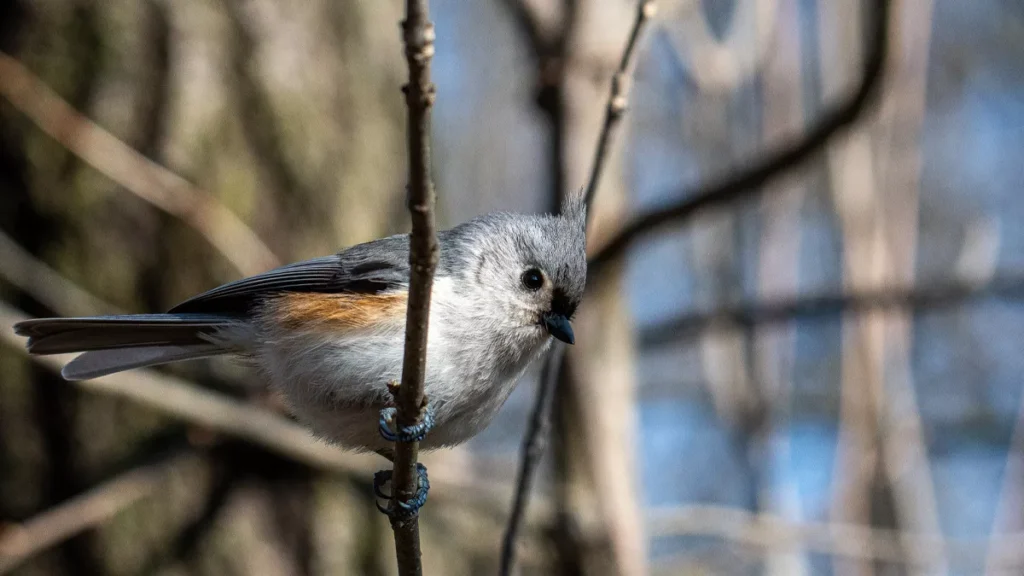
A joint task force intercepted over 7,300 birds being shipped into Padangbai without quarantine permits, a move aimed at preventing the spread of avian diseases and protecting local ecosystems.
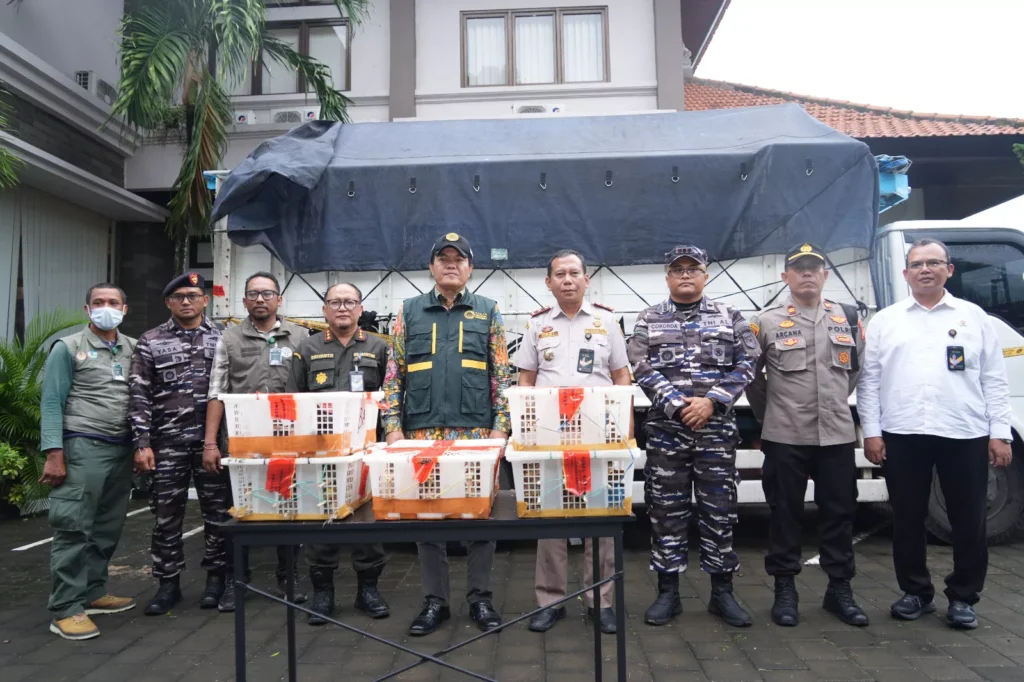
PADANGBAI, Bali — In a significant enforcement operation targeting wildlife trafficking and biosecurity risks, Indonesian authorities have intercepted and detained more than 7,300 birds being illegally transported into Bali. The seizure was conducted on Wednesday, January 21, 2026, at the Padangbai ferry port by a joint task force including the National Quarantine Agency (Barantin), the Indonesian Navy, natural resources conservation officials, and port police.
The birds, which numbered 7,355, were being shipped from West Nusa Tenggara to Bali without the mandatory health and quarantine documentation required by law. The consignment included a variety of species such as weaver birds (manyar), zebra finches, sunbirds, and various songbirds.
A Strict Legal and Biosecurity Mandate
Sahat M. Panggabean, Head of the Indonesian Quarantine Agency, emphasized that the action was a direct application of national law and a critical public health measure. “The Indonesian Quarantine Agency is fully committed to implementing Law Number 21 of 2019 concerning Animal, Fish, and Plant Quarantine,” Panggabean stated in a press conference.
“The detention of this bird commodity by our officers in the field is a firm step to mitigate the risk of the entry and spread of Quarantine Animal Pest Diseases in the Bali island region, for example, prevention against Avian Flu and several other diseases,” he added.
Preventing Ecological and Agricultural Harm
The primary rationale for such strict controls is to prevent the introduction of Quarantine Animal Pest Diseases (HPHK). These diseases pose a direct threat not only to animal health and local poultry industries but also to human health and the island’s unique biodiversity. The illegal movement of animals is a known vector for pathogens like avian influenza.
Panggabean framed the mission as essential for national food security and biodiversity conservation. He warned that the agency would thoroughly investigate the trafficking case to deter future violations, stating the goal is to “prevent the emergence of new diseases and preserve Indonesia’s biodiversity.”
The operation underscores the ongoing challenges of wildlife trafficking in the Indonesian archipelago and the heightened vigilance at Bali’s entry points, which are critical for both tourism and biosecurity. The seized birds are now under the control of quarantine authorities for further procedures..

A Note for Tourists, Expatriates, and Global Readers
This operation serves as a critical reminder of the stringent biosecurity laws governing Indonesia’s islands. For tourists and expatriates in Bali, it highlights an often-overlooked aspect of responsible travel and residence:
- Do Not Transport Animals: Never attempt to bring live animals, including birds or pets purchased locally, between Indonesian islands or internationally without going through the official, documented quarantine process. This applies even to seemingly healthy animals from markets.
- Report Suspicious Activity: If you witness the illegal trade or suspicious transport of wildlife, you can report it to local authorities. Your awareness can support conservation and public health efforts.
- Support Ethical Tourism: Be mindful of wildlife attractions. Avoid venues that may source animals from illegal trafficking networks or keep wild animals in poor conditions. Choose responsible, conservation-focused experiences.
- Understand the “Island Rule”: Bali, like many islands, has a fragile and unique ecosystem. Introducing non-native species or diseases can have devastating, irreversible effects on local wildlife, agriculture, and even public health.
Respecting these regulations is not just about following the law—it’s about actively protecting the natural beauty and ecological balance that makes Bali a cherished destination.
Hey Bali News reports on environmental, legal, and security developments that impact the island’s community and ecosystem.