

DENPASAR, Bali — The journey that should feel like a simple welcome often becomes a negotiation at Ngurah Rai Airport. A traveler steps out with a plan in hand, expecting the Ngurah Rai airport transport pricing to follow the number shown inside a licensed application. Instead, unsolicited drivers in the pickup area propose fares that change with the hour and with the story of traffic.
Nova Eliza, an Indonesian actress, recently gave this problem a visible face. In a video recorded from Ngurah Rai International Airport that quickly spread across social platforms, she began with a careful intention.
She said the clip was made not to discredit anyone, but to ask for reform in the Ngurah Rai airport transport system. After collecting her bag, Nova went to the second floor parking area where she had already ordered an online taxi to Berawa.
A staff member told her the waiting time would reach one hour, and she started looking for another way home.
While searching, three different men approached her. The first driver was polite yet asked Rp 400,000 for the short trip to Berawa, almost double the Rp 200,000 shown on her screen.
The next offers rose further to Rp 600,000 and even Rp 700,000 to Rp 800,000, all justified by the same explanation: congestion outside the airport.
Nova eventually chose a metered blue taxi that arrived within seven minutes. When the car left the terminal, the road was moving and far from the total gridlock described by the earlier drivers.
Nova recounted in the video, “When I left the airport, it was congested, but not completely gridlocked. It was still moving. I don’t understand if this is something that commonly happens at Ngurah Rai.”
The Chasm Between Dream and Reality


The provincial government speaks confidently about quality tourism Bali. Officials highlight rising arrivals and new segments of high spending visitors at conferences.
The Tourism Office continues to assure the public that Bali is busy and healthy. Yet the Ngurah Rai airport transport pricing tells a more fragile truth, one experienced in the first minutes after landing rather than in annual charts.
Giostanovlatto, founder of Hey Bali and a tourism observer for Bali and Nusa Tenggara, argued in this editorial that the fixation on arrival numbers has overshadowed the urgent task of fixing systems.
“Branding Bali as a premium destination is fundamentally inconsistent when the first financial transaction a visitor faces is a chaotic, on-the-spot price negotiation.”
Eliza ordeal, he said, should be read as a warning to authorities that fairness at Ngurah Rai must be the first indicator of hospitality, not the last afterthought.
The Nova Eliza case highlights that concern plainly. She is Indonesian and local, yet felt shocked by offers that would test any visitor’s dignity.
If a well known local figure faces that pressure, what about foreign mothers arriving with children and no Bahasa to check a fare or question a driver? The front door of Bali should not require bargaining courage.
A Prescription for Self Preservation


Until Bali authorities enforce clear pricing and designated official pickup zones, the onus falls on the traveler. The lesson from Eliza account is to avoid negotiating numbers on the parking floor.
Many expatriates now prefer booking verified airport transfers through Online Travel Agencies such as Booking.com, Klook, Grab, or similar services where the Ngurah Rai airport transport pricing is fixed before the journey begins.
Hey Bali own listing offers a practical comparison: from Ngurah Rai Airport to Berawa only Rp 200,000, without waiting and already including airport parking for two hours. The arrangement removes confusion and protects visitors from fictional surcharges.
Bali dream of moving beyond mass tourism is noble. But quality is not built on five star hotels alone.
It grows from mundane service and fair arithmetic the moment a plane touches the runway. When a visitor’s first economic interaction feels unfair, it poisons the days that follow.
Writer’s Reflection

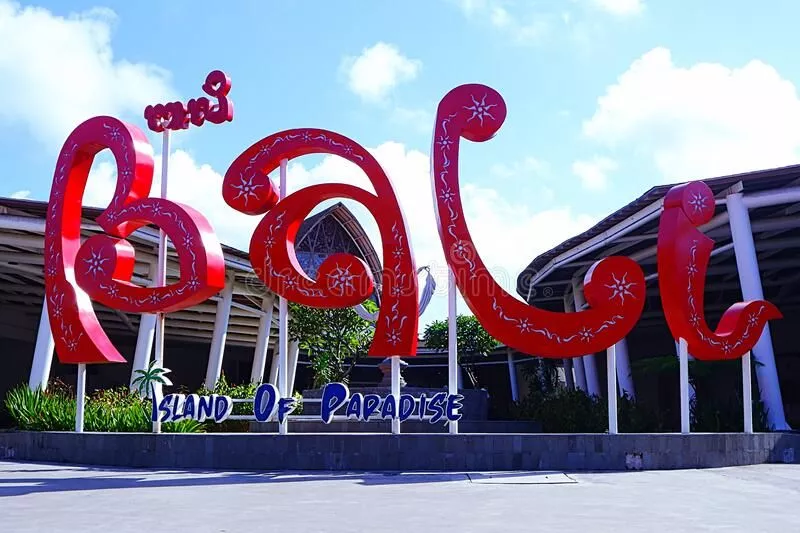
In Bali I learned that hospitality is measured in the first twenty minutes, not in the annual statistic.
No destination can claim quality tourism while leaving airport transport pricing to negotiation and mood. Trust is built through clear numbers, respectful service, and a ride that waits for the guest, not the other way around.
If Berawa can be reached from Ngurah Rai for Rp 200,000 on licensed platforms, then triple quotes in the pickup area are not congestion management. They are a failure of governance that Bali can no longer afford.
#heybalinews