
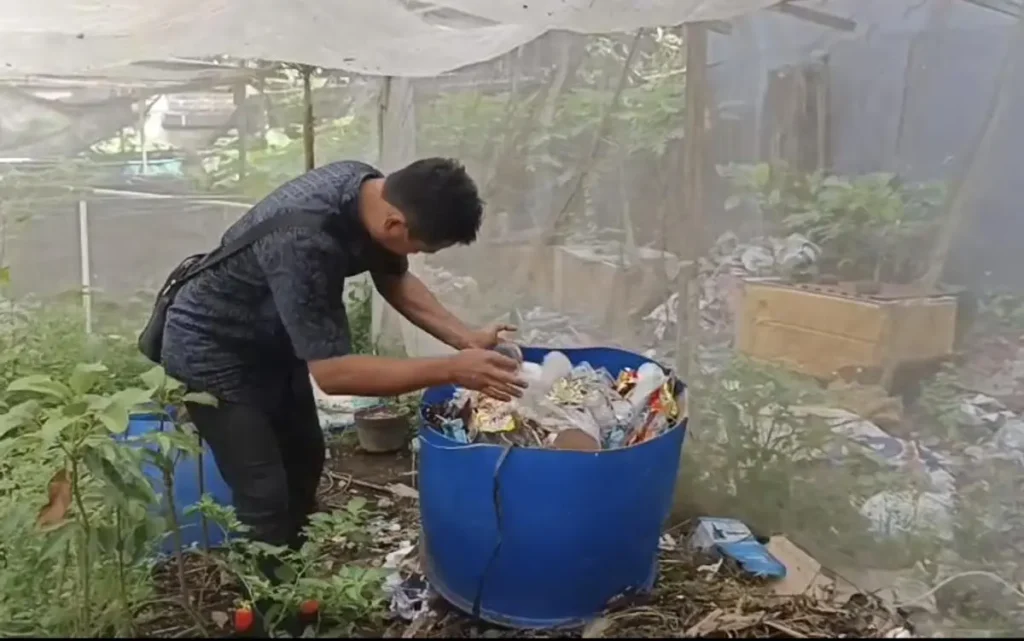
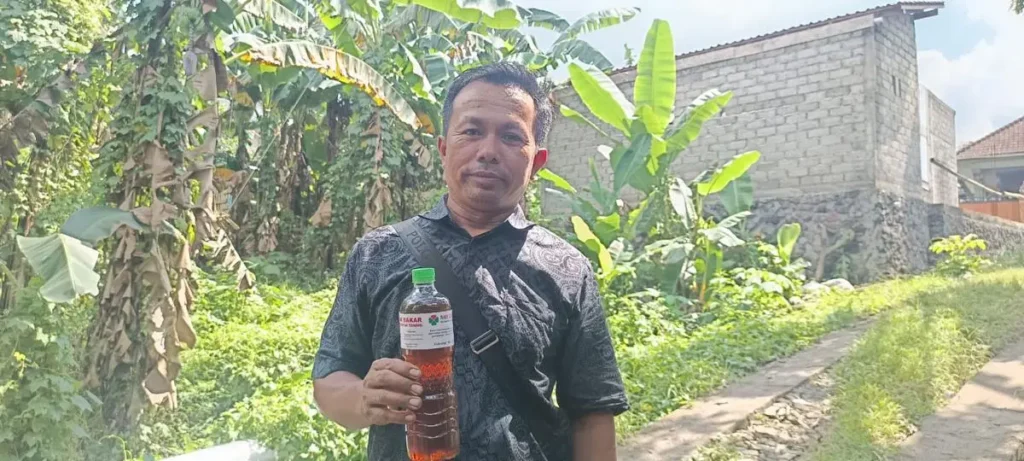
Plastic to Fuel Bali— In the heart of Tabanan, a quiet revolution is taking place—one that transforms plastic waste into valuable fuel. While Bali grapples with mounting waste problems, a local resident in Denbantas Village has pioneered an ingenious solution that could inspire global change. Meet Imam Kambali, a 46-year-old innovator who’s turning non-recyclable plastic into diesel, kerosene, and gasoline—proving that sustainability and economic opportunity can go hand in hand.
From Trash to Treasure: The Birth of an Eco-Innovation
Imam’s journey began not as a scientist, but as a concerned father. After moving to Bali from Jombang, East Java in 2008, he witnessed firsthand how open burning of waste worsened his son’s asthma. Determined to find a better solution, he spent years experimenting with pyrolysis—a process that breaks down plastic into fuel through controlled heating.
His self-taught efforts led to the creation of “Bali Harmoni”, a small-scale plastic-to-fuel conversion system that now processes 10 kg of plastic into 9 liters of fuel per batch.

How Plastic Becomes Fuel: The Pyrolysis Process
Imam’s method is both low-tech and effective, making it accessible for communities worldwide. Here’s how it works:
- Plastic Collection & Sorting
- Only non-PET plastics (avoiding bottles labeled #1) are used, as PET reduces efficiency.
- Waste is gathered from local sources, including SDN 2 Denbantas School and Banjar Dukuh Buahan.
- Heating & Gasification
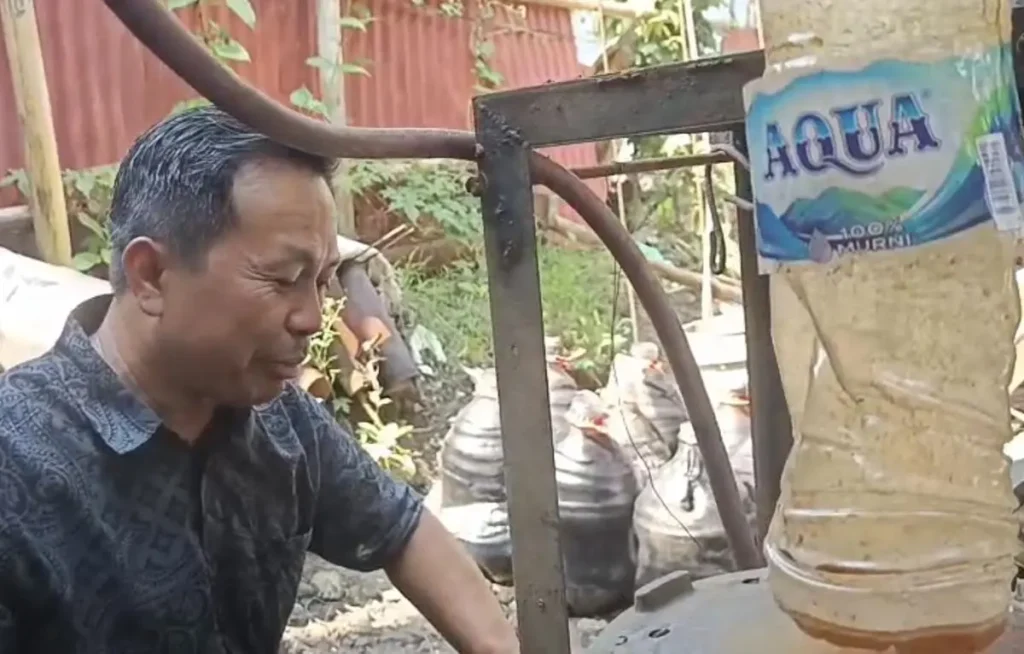
- Plastic is fed into a reactor and heated until it melts and vaporizes.
- The resulting gas is then channeled into a distillator for liquefaction.
- Separation & Refinement
- The condensed liquid separates into three fuel types:
- Diesel (first chamber)
- Kerosene (second chamber)
- Gasoline (third chamber)
- A final purification step ensures the fuel is clean and usable.
- The condensed liquid separates into three fuel types:
Real-World Applications & Economic Impact
Imam doesn’t just produce fuel—he tests and sells it:
- Gasoline → Powers his personal vehicle.
- Diesel → Runs a goat manure grinder.
- Kerosene → Sold for Rp 10,000 per 800ml bottle in Gianyar and Badung.
The profits help fund his operations, creating a self-sustaining circular economy. While production is small-scale (3-4 batches weekly), the potential for scaling up is immense—especially in Bali, where plastic pollution remains a critical issue.
A Model for Global Sustainability – Plastic to Fuel Bali
Imam’s innovation aligns with global zero-waste movements, offering a blueprint for:
✔ Tourism-heavy regions struggling with plastic waste.
✔ Expat and local communities seeking eco-friendly solutions.
✔ Entrepreneurs looking for low-cost, high-impact green businesses.
“If anyone wants to bring plastic waste here, I’ll take it,” Imam says—an open invitation for collaboration.

Why This Matters for Bali—And Beyond – Plastic to Fuel Bali
Bali’s waste crisis demands urgent action, and solutions like plastic-to-fuel conversion could be a game-changer. For expats, tourists, and locals, supporting such initiatives means:
- Reducing landfill dependency
- Creating clean energy alternatives
- Empowering grassroots eco-entrepreneurs
Could this be Bali’s next big export? Not just as a tourist paradise, but as a hub for sustainable innovation?
Join the Movement Plastic to Fuel Bali :
- Donate plastic waste to initiatives like Bali Harmoni.
- Spread awareness about plastic upcycling.
- Support local eco-entrepreneurs driving change.
“The best solutions often come from those who live the problem.” — Imam Kambali