
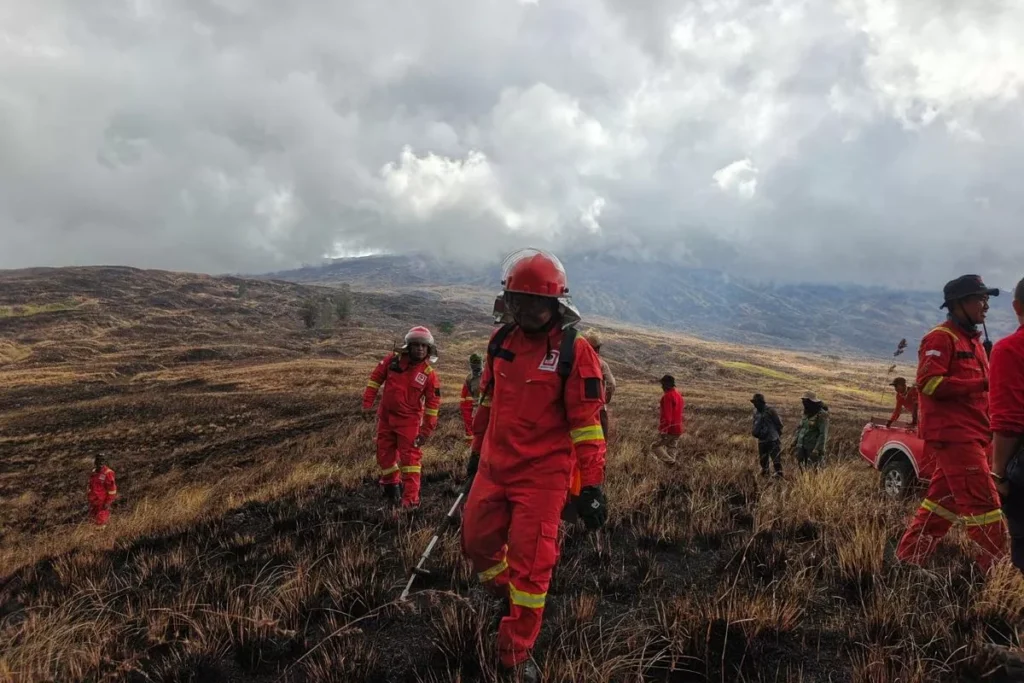
Illegal deer hunters are responsible for a wildfire that scorched 1,956 hectares of savanna inside Mount Tambora National Park, one of Indonesia’s UNESCO-designated World Biosphere Reserves, park authorities have confirmed, following an 11-day blaze that raised fresh alarm about wildlife protection in one of the country’s most ecologically significant conservation zones.
The fire broke out on July 9, 2026, within the West Nusa Tenggara (NTB) park, home to endangered and protected species including the yellow-crested cockatoo, red-headed lorikeet, Australian bee-eater, and the Timor deer, one of the very animals illegal hunters were reportedly pursuing when the fire began.
“100% Human-Caused,” Park Chief Confirms
Mount Tambora National Park Authority (BTN Tambora) has identified suspects believed responsible for the fire and is now actively monitoring hunting activity across the park.
“The suspected cause is activity believed to have been carried out by deer poachers around the time the fire started. This fire was 100% caused by human activity,” said Abdul Aziz Bakri, Head of BTN Tambora, in comments to detikBali on Saturday, July 25, 2026.
According to Abdul Aziz, illegal deer hunting and honey harvesting operations were the primary drivers behind the fire. Park authorities also suspect that activity involving local tour guides may have played a role.
A Fire-Free Streak, Broken
Abdul Aziz expressed dismay over the poachers’ actions, noting that Mount Tambora’s savanna had gone without a single wildfire between 2024 and 2025. “The last fire occurred in 2023, two years with none since then. But in 2026 it happened again, and a lot of vegetation had already died off, making the terrain extremely flammable,” he said.
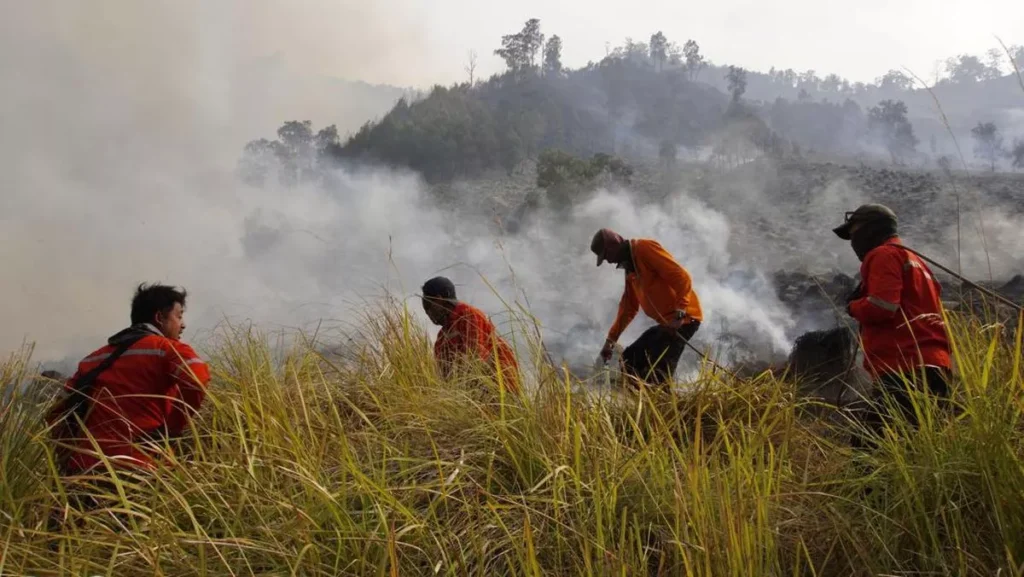
That combination, dry grassland and dead vegetation, allowed the fire to spread rapidly and made it especially difficult to contain, a problem compounded by what Abdul Aziz described as significantly inadequate firefighting equipment available to respond to the blaze.

A History of Legal Consequences for Poachers
BTN Tambora has pledged to take firm action against anyone caught hunting illegally within the park’s boundaries. According to Abdul Aziz, two deer poachers have already been arrested and sentenced to four years and six months in prison.
“We don’t take it lightly if we catch someone. In fact, there are currently two poachers serving prison sentences in Dompu for hunting deer. But we continue conducting outreach about which activities are prohibited within the park,” Abdul Aziz said.
He emphasized that the park’s response to the fire won’t end with cleanup. “This fire doesn’t mean we’re standing still. We will continue patrolling to prevent further illegal human activity within the national park,” he added.
Why This Matters Beyond Indonesia
Mount Tambora National Park spans 71,645.64 hectares and holds UNESCO World Biosphere Reserve status, a designation reflecting its global ecological significance as habitat for multiple threatened and endemic species. For conservationists and eco-tourism travelers who view the park as one of eastern Indonesia’s most important wildlife sanctuaries, the fire represents a serious setback: a landscape that had remained fire-free for two consecutive years reduced to charred grassland in less than two weeks, driven not by natural causes or climate conditions alone, but by illegal hunting activity that park authorities say they’ve been actively working to deter.
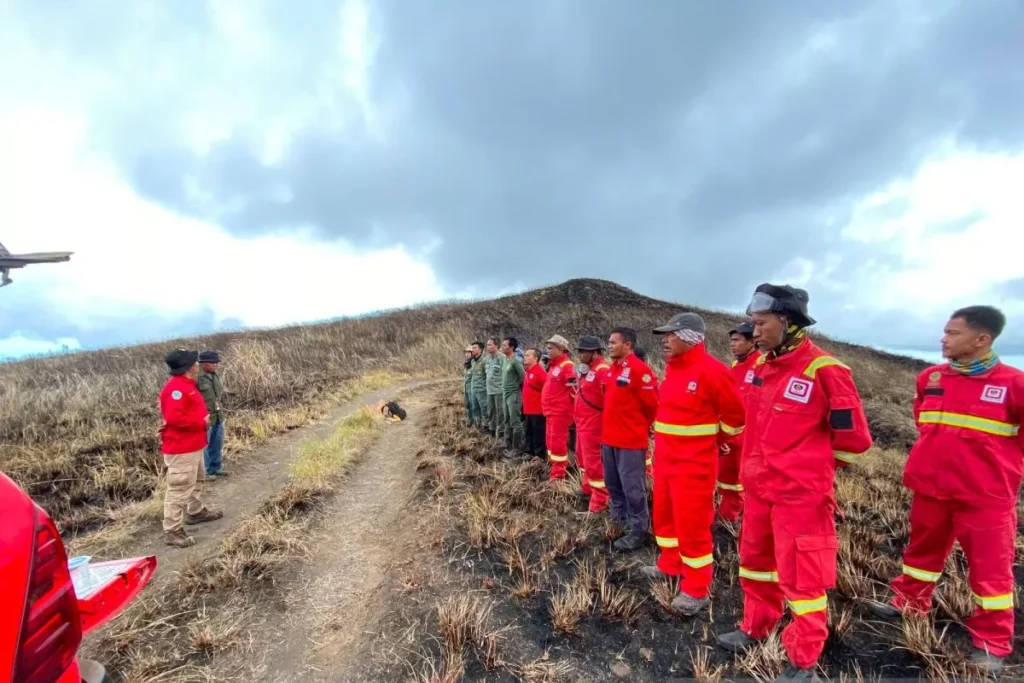
Indonesia’s Ministry of Forestry deployed a joint response team to help bring the blaze under control, underscoring the national significance authorities placed on protecting the site despite the equipment shortfalls that hampered the initial firefighting effort.
What’s Next
Park officials say patrols will be intensified across Mount Tambora to prevent further illegal hunting and honey harvesting activity, though it remains unclear whether additional suspects connected to the July 9 fire will face prosecution beyond the two poachers already serving sentences from a separate case. This report will be updated as more information becomes available.