
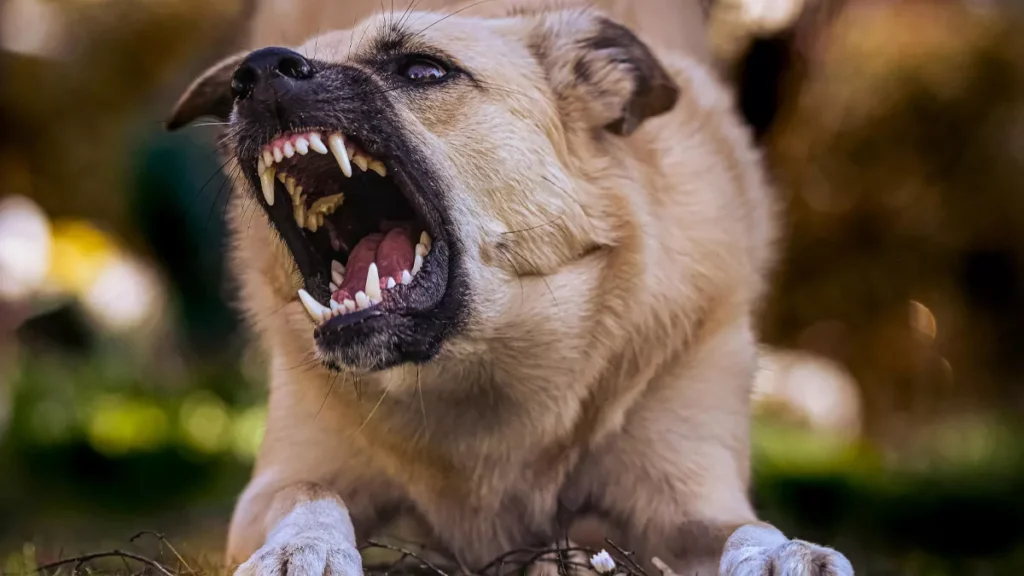
Health authorities in Gianyar Regency, one of Bali’s most visited cultural destinations, are reporting a steady increase in animal bites linked to rabies risk, prompting renewed calls for residents and visitors to seek immediate medical treatment following bites or scratches from dogs, cats, or monkeys.
The warning comes as Bali continues to welcome millions of domestic and international visitors each year, many of whom encounter free-roaming animals at beaches, villages, temples, and popular tourist attractions.
Bite Cases Continue to Climb
According to data released by the Gianyar Health Office, the regency recorded 4,545 bites from rabies-transmitting animals between January and June 2026, averaging 756 cases each month.
The figure represents a continued upward trend.
In 2025, Gianyar recorded 8,413 animal bite cases, averaging 701 cases per month, while 2024 saw 7,654 cases, or approximately 638 monthly cases.
Officials say the increase does not necessarily indicate more rabies infections, but rather that encounters between people and animals capable of transmitting the virus remain common.
“It shows that bite incidents are still occurring, and that more people are seeking treatment at community health centers after being bitten,” Gianyar Health Office head Ni Nyoman Ariyuni said on Tuesday.
Rabies Centers Expanded Across Gianyar
To respond to the growing number of cases, the Gianyar administration has strengthened services at 13 Rabies Centers located within public health clinics, alongside Payangan General Hospital.
Patients receive wound treatment, medical assessment, rabies education and, when clinically indicated, post-exposure rabies vaccination.
Health workers also instruct bite victims to immediately wash wounds thoroughly with soap or detergent under running water for 10 to 15 minutes, one of the most important first-aid measures for reducing the risk of infection.
For 2026, the local government has allocated approximately Rp600 million to procure rabies vaccines and an additional Rp166.7 million for rabies immunoglobulin used in higher-risk exposures.
Medical teams also conduct surveillance to identify suspected rabies cases and ensure victims bitten by animals later confirmed to have rabies receive appropriate follow-up treatment.
Not Every Bite Requires Rabies Vaccination
Health officials emphasized that not every animal bite automatically requires rabies vaccination.
According to Ariyuni, bites considered clearly provoked, such as when a dog is protecting puppies, reacts after having its tail stepped on, or is intentionally disturbed, may simply be monitored if the animal remains healthy and can be observed.
Rabies vaccination is generally recommended when the biting animal cannot be located, dies shortly after the incident, displays symptoms consistent with rabies, or later tests positive for the virus.
What Travelers Should Know
Although Bali has significantly strengthened its rabies prevention programs over the past decade, the virus remains present in parts of the island.
Medical experts advise anyone bitten or scratched by a dog, cat, monkey or other mammal to seek medical evaluation immediately, even if the wound appears minor.
Prompt wound washing followed by professional medical assessment can be lifesaving, as rabies is a viral disease that attacks the brain and nervous system and is almost always fatal once symptoms develop.
Authorities also continue encouraging pet owners to vaccinate their animals regularly and avoid allowing them to roam freely.
For international travelers, the message is straightforward: avoid direct contact with unfamiliar animals, never feed or provoke free-roaming dogs or monkeys, and seek medical care without delay after any bite or scratch. Early treatment remains the most effective protection against one of the world’s deadliest infectious diseases.