

BADUNG, Bali — For many entrepreneurs in Bali, building a brand begins with a name, a logo, and a vision. What often comes later—if at all—is legal protection.
That gap can be costly.
A 17-year legal battle in Australia, involving a small fashion designer and a global pop star, is now offering a stark lesson for business owners in Bali: if you don’t register your trademark early, you may not own your brand at all.
A Name, A Business—and a Legal Shock
Katie Taylor, a Sydney-based designer, had done everything by the book. She registered her business name “Katie Perry” in 2007 and filed a trademark for her clothing line in 2008.
It was a small, locally produced label built over time.
Then came the disruption.
Lawyers representing international pop star Katy Perry issued legal demands: stop trading, shut down operations, and cease using the name. What followed was a legal fight that would stretch nearly two decades.
“At that moment, I felt I could lose everything,” Taylor later said.
Seventeen Years, One Outcome
The case moved through multiple levels of Australia’s legal system, centering on a fundamental question: could consumers confuse a small clothing brand with a global music icon?
In a narrow 3–2 ruling, Australia’s High Court ultimately sided with Taylor.
Her trademark stood. Her business survived.
But the cost was significant: years of uncertainty, legal fees, and operational disruption.
For most small business owners, that is not a battle they can afford to fight.
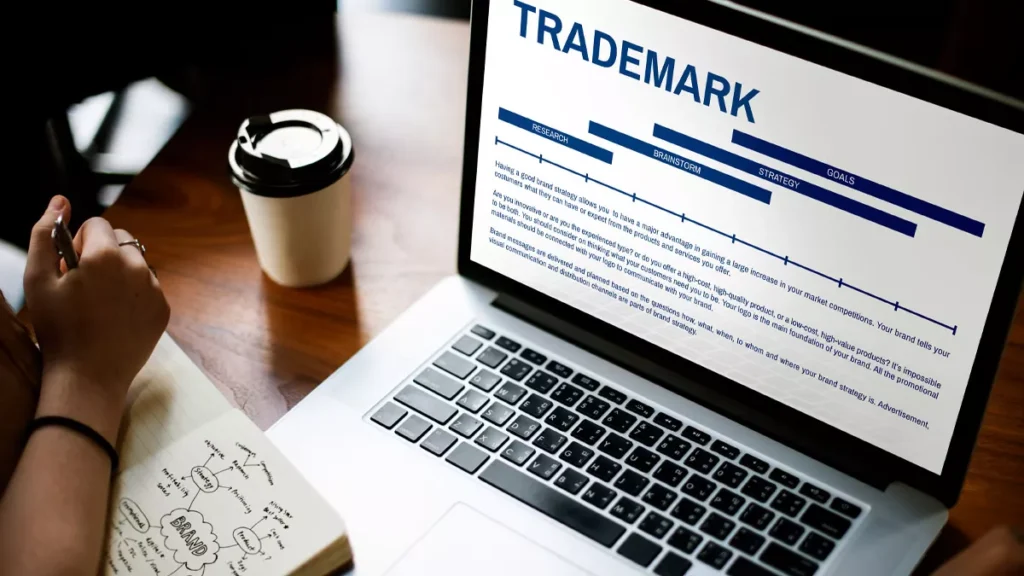
Why This Matters in Bali
Bali’s business landscape is booming—driven by tourism, creative industries, and foreign investment. New brands emerge daily: cafés, fashion labels, villa management companies, wellness studios.
But one of the most common—and overlooked—risks is trademark protection.
Indonesia operates under a first-to-file system, meaning:
👉 the first person to register a trademark owns the rights
👉 not necessarily the one who used it first
For entrepreneurs in Bali, this creates a critical vulnerability.
Failing to register a trademark early can lead to:
- loss of brand ownership
- legal disputes or cease-and-desist orders
- forced rebranding after years of investment
In a fast-moving market, that risk is not theoretical—it is real.
The Cost of Waiting
Trademark disputes are not just legal problems. They are business disruptions.
For a villa brand in Canggu, a café in Seminyak, or a fashion label in Ubud, losing a name can mean:
- losing search visibility
- losing customer trust
- rebuilding identity from scratch
And unlike marketing mistakes, legal disputes are expensive to reverse.
Taylor’s case illustrates this clearly: the law may eventually protect you—but only after a long and costly process.
How to Register a Trademark in Indonesia
The solution is straightforward—and relatively affordable.
Option 1: Register Directly
Business owners can file through Indonesia’s Directorate General of Intellectual Property (DJKI).
- Cost: ~Rp 1,850,000 per class
- Validity: 10 years (renewable)
- Includes: application, publication, examination
Option 2: Use a Consultant
For expatriates or those unfamiliar with the system, hiring a trademark consultant is common.
- Cost: ~Rp 2.5–3 million
- Includes:
- trademark search
- application filing
- monitoring and follow-up
For most businesses, this is a small cost compared to the risk of losing a brand.
A Growing Risk in a Growing Market
As Bali attracts more entrepreneurs and investors, brand competition is intensifying.
Names that feel unique today may already be in use—or could be registered by someone else tomorrow.
In this environment, trademark protection is no longer optional.
It is a foundational step in building a business.
The Real Lesson
Katie Taylor won her case.
But her victory is not just about legal rights—it is about timing.
She registered early.
She followed the process.
And even then, she still faced 17 years of legal pressure.
For business owners in Bali, the takeaway is clear:
👉 Register your trademark before your brand grows
👉 Not after it becomes valuable
The Bottom Line
In Bali’s competitive business environment, your brand is more than identity—it is an asset.
And like any asset, it needs protection.
Because if you don’t secure your name early, someone else might.
And by the time you realize it, the cost of getting it back may be far higher than the cost of protecting it in the first place.