
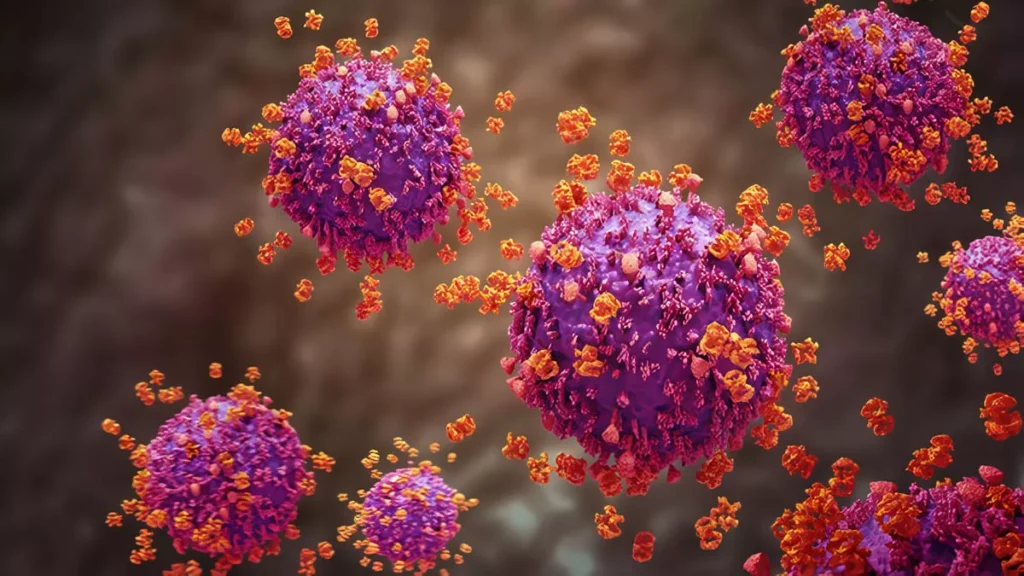
As the new year begins, the United States finds itself in the grip of one of its most intense influenza seasons in decades. Headlines have dubbed it the “Super Flu”, a term that reflects not a mysterious new virus, but the unusually rapid spread of a dominant influenza strain overwhelming hospitals and communities across the country.
According to the latest estimates from the US Centers for Disease Control and Prevention (CDC), by late December 2025 the outbreak had already led to at least 7.5 million infections nationwide, with around 81,000 hospitalisations and 3,100 recorded deaths, including eight children. In New York State alone, officials reported more than 71,000 flu cases in a single week, the highest figure seen there in more than 20 years.
The numbers are stark. But public health experts stress that context matters.
What Is the “Super Flu”, Really?
Despite the dramatic nickname, scientists are clear that this is not a novel virus. The surge is being driven by a subclade of Influenza A (H3N2), known as subclade K, which has undergone mutations that make it more transmissible than recent seasonal variants.
H3N2 is not unfamiliar to epidemiologists. Historically, it has been associated with more severe symptoms and higher hospitalisation rates, particularly among older adults and children. This season, the mutations appear to have slightly reduced the vaccine’s ability to prevent infection altogether. However, experts emphasise that the vaccine remains highly effective at preventing severe illness, complications, and death.
In other words, the virus spreads faster, but it does not rewrite the rules of influenza.
A Brutal Onset of Symptoms


Patients across the United States describe the illness as arriving suddenly and forcefully. Many report feeling well one day and incapacitated the next.
The most commonly reported symptoms include sudden high fever with chills, extreme fatigue, intense muscle and joint pain, along with severe headaches, dry cough, and sore throat. Some patients have likened the experience to being “hit by a truck”.
This intensity, combined with the sheer number of cases occurring simultaneously, has placed renewed pressure on emergency departments and primary care clinics during the winter peak.
Why This Flu Season Feels Worse
Several factors have converged to make the current outbreak particularly disruptive.
The surge coincided with year-end travel and dense social gatherings, providing ideal conditions for transmission. At the same time, cold winter temperatures in the northern hemisphere allow respiratory viruses to survive longer in the air. In some regions, influenza has also circulated alongside Covid-19 and RSV, compounding strain on health systems already stretched thin.
Still, health authorities caution against drawing direct comparisons with the early days of Covid-19.
Why This Is Unlikely to Become Another Pandemic


The fear is understandable. The world carries fresh scars from Covid-19. But epidemiologists point to several fundamental differences.
First, we are not starting from zero. Influenza viruses have circulated for decades, and most people already have some degree of immune memory, whether from past infections or vaccination. Even with mutations, H3N2 is not an unknown enemy to the human immune system.
Second, tools already exist. Annual influenza vaccines are widely available, and antiviral medications such as oseltamivir (Tamiflu) are proven, mass-produced, and effective when administered early.
Third, influenza behaves differently. Its short incubation period—typically one to four days—means people become symptomatic quickly, reducing the likelihood of silent spread. While H3N2 can be serious, its fatality rate remains far below that seen during the initial waves of Covid-19.
For these reasons, experts agree that global lockdowns or border closures are highly unlikely. The real impact lies elsewhere: pressure on hospitals and lost productivity as large numbers of people fall ill at the same time.
What This Means for Indonesia and Bali
Indonesian health authorities, including the Ministry of Health and paediatric associations, are closely monitoring the situation. Given international mobility, the risk of imported cases is real. But officials continue to urge calm, emphasising vaccination, hygiene, and early treatment rather than panic.
For Bali, the issue carries particular weight. As one of the world’s busiest tourist hubs, the island sits at the crossroads of global movement.
The impact on tourism is unlikely to resemble the devastation of Covid-19, but challenges remain. A spike in flu cases in key source markets such as the United States could lead to travel cancellations, delayed trips, or hesitation among long-haul travellers. Health concerns, layered on top of existing travel advisories, can subtly affect destination confidence.
There is also a practical concern: travellers weakened by influenza are more vulnerable to other infections, which can complicate the long-standing issue of travel-related illness and perceptions of destination health standards.
A Test of Preparedness, and an Opportunity


Local authorities and industry stakeholders have tools at their disposal. Bali’s Sanur Health Special Economic Zone offers a chance to showcase world-class medical care and transparent health communication. Ensuring access to updated quadrivalent influenza vaccines, improving non-intrusive health screening at Ngurah Rai International Airport, and equipping hotels with clear protocols for guest isolation and care can all reinforce trust.
At the same time, global travel trends in 2026 show growing interest in wellness tourism and less crowded, restorative destinations. Positioned carefully, Bali could present itself not just as a holiday island, but as a safe and healthy sanctuary.
A Measured Outlook
The “Super Flu” is a serious public health challenge, particularly for vulnerable populations. But it is not a repeat of Covid-19. With no realistic prospect of border closures, Bali’s tourism economy can endure—provided health risks are addressed openly, responsibly, and without denial.
For travellers, the advice is simple and familiar: stay vaccinated, practise basic hygiene, and avoid travel when unwell. For destinations like Bali, the moment calls for calm competence rather than alarm.
The world is watching not just how outbreaks spread, but how societies respond when they already know the playbook.