
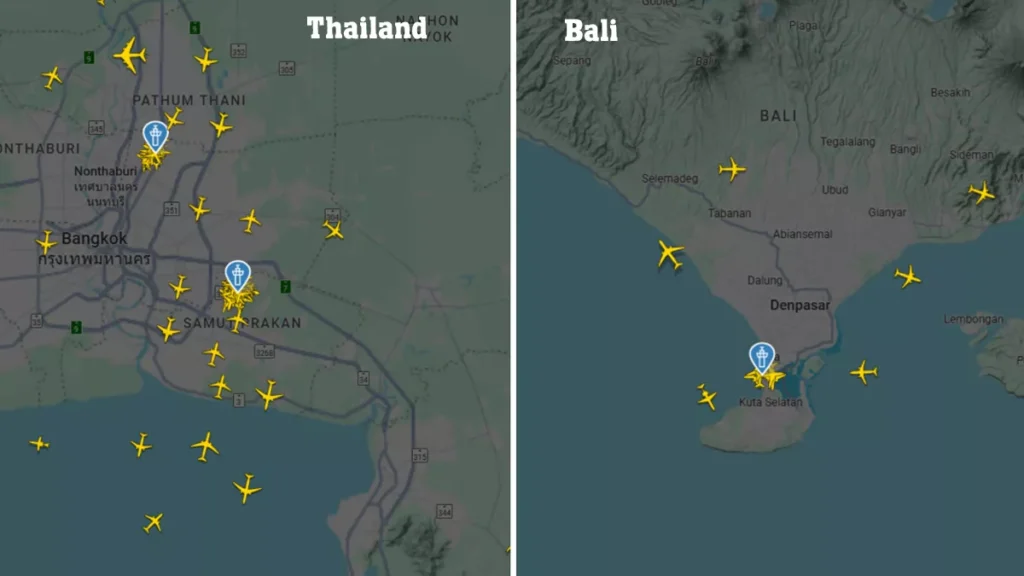
DENPASAR, Bali — For Bali’s tourism-dependent economy, the rain clouds gathering over the island this December have brought more than just tropical downpours. Images of localized floods, amplified across social media and international news, have coincided with a sharp downturn in visitor numbers during the critical Christmas and New Year (Nataru) period.
The data reveals a worrying trend. Bali Governor I Wayan Koster recently disclosed that daily international arrivals have dropped to between 11,000 and 16,000, a significant fall from the typical peak-season average of around 20,000. While authorities point to flood perceptions as a primary cause, a critical comparison with regional competitors suggests a more complex failure in strategic response.
The Flood Excuse: A Convenient Narrative or a Communication Failure?
The link between weather and tourism is highlighted by industry data. As reported by Kompas, the Bali Villa Rental and Management Association (BVRMA) states that villa occupancy for its members has plummeted to 55-60%, down from approximately 65% last year. The association attributes this to cancellations from tourists fearing island-wide floods.
“The recent floods caused many cancellations because people thought all of Bali was flooded. They were afraid to come,” a BVRMA representative told Kompas. The association’s chairman, I Kadek Adnyana, has publicly criticized the lack of a coordinated official “counter-narrative” to correct this damaging global misperception. This narrative, however, risks becoming a convenient excuse that masks a deeper inaction.
The Thailand Contrast: Action vs. Apathy
While Bali cites floods, a revealing contrast emerges from Thailand. Facing a tangible tourism threat from its border conflict with Cambodia, the Thai government did not lament geopolitical tensions. Instead, it launched an aggressive, concrete recovery plan: distributing 200,000 free airline seats through major carriers to immediately stimulate demand and signal confidence.
This decisive action underscores a stark difference in crisis management philosophy. “Thailand recognizes that in a competitive regional market, perception is everything. You cannot just explain away a problem; you must aggressively invest in changing the narrative and incentivizing travelers,” said Giostanovlatto, a Bali tourism observer. “Bali’s reliance on explaining the flood ‘misconception’ without a major, confidence-restoring campaign appears passive and out of touch.”
This passivity is felt across the industry. Anton Abrianto, a driver for online travel platforms, reports near-total inactivity: “For almost a month now, I’ve only gotten one job.” The slump is widespread, with hotel owners echoing the same concerns about declining occupancy.
A Failure of Strategy at a Critical Juncture
The situation exposes a dangerous gap in Bali’s governance. With tourism as the island’s economic lifeline, the response to a predictable high-season crisis has been rhetorical, not operational. Simply blaming floods, trash, or external events without launching a counter-offering equivalent to the threat is seen by industry professionals as a profound failure.
As Bali’s airport authorities continue to promote a forecast of 1.5 million visitors for the Christmas and New Year holiday season, the current trajectory and lack of bold intervention make such a goal increasingly illusory.
For the global community that invests in and visits Bali, this moment is a sobering case study in how a world-class destination can falter not just due to rain, but due to a drought of decisive leadership and innovative recovery strategy when it is needed most.