
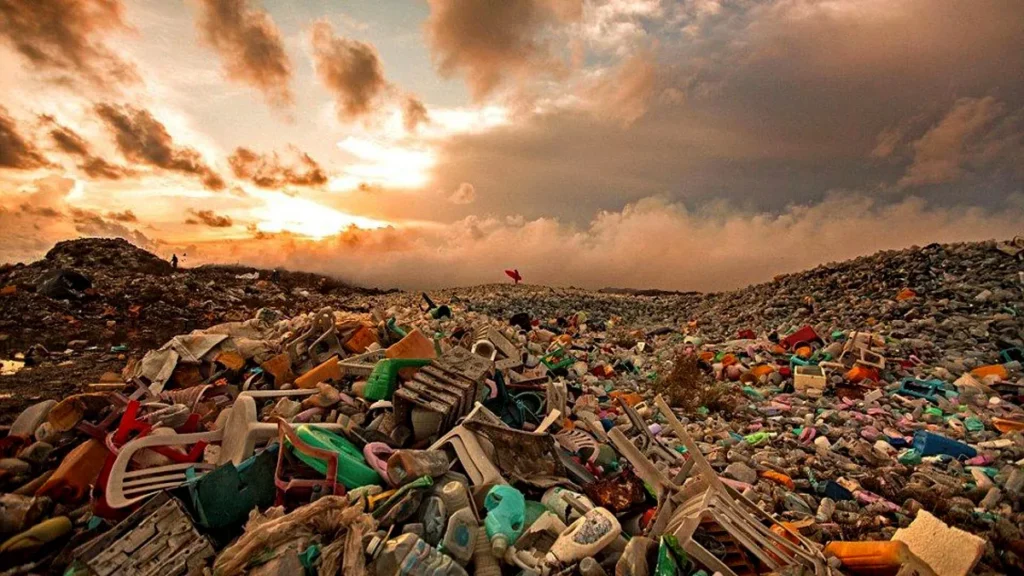
The impending closure of Suwung, the island’s largest dumping ground, forces a critical look at sustainable alternatives, from household composting to circular economies, to avoid an environmental breakdown.
DENPASAR, Bali — For decades, the final destination for over a thousand tons of Bali’s daily waste has been Suwung, a sprawling landfill on the island’s southern coast. As the primary disposal site for the Denpasar, Badung, Gianyar, and Tabanan (Sarbagita) region, it has long been the silent, straining backbone of the island’s waste system. Now, with its capacity exhausted, the planned closure of the Suwung landfill presents not just a logistical emergency, but a pivotal moment for Bali to fundamentally reimagine how it handles what it throws away.
The prospect of closing this critical site has sparked deep concern. Without a functional alternative, the risk of uncollected waste piling up across neighborhoods is high, posing immediate threats of land, water, and air pollution, alongside serious public health hazards. The crisis underscores that simply finding a new place to dump trash is no longer a solution; it demands a systemic shift toward sustainable waste management.
The Foundational Principle: Minimizing Waste at the Source
Any sustainable strategy must begin with the core hierarchy of Reduce, Reuse, Recycle (3R).
- Reduce is the most critical first step. This involves a cultural shift to curb consumption, prominently through combating food waste—a significant portion of Bali’s daily trash.
- Reuse encourages extending the life of products, moving away from single-use plastics and packaging toward reusable bags, containers, and bottles.
- Recycle focuses on processing discarded materials back into new products, giving plastics, glass, and metals a second life rather than a final burial.

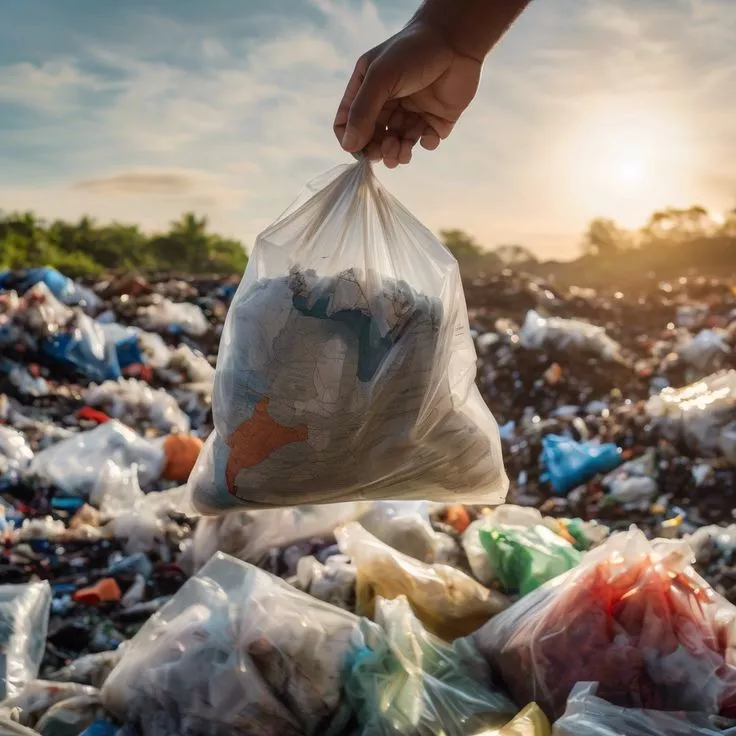
Building a Sustainable System: From Household to Landfill
A successful, island-wide system requires integrated action at every level:
- At the Household: Organic waste—food scraps, garden trimmings—can be composted or used to produce animal feed (like maggot farming) or biogas. This transforms waste into a resource for home gardens or energy, keeping it out of the collective stream entirely.
- Through Community Networks: Inorganic waste should be channeled through a robust network of waste banks (bank sampah). These community hubs sort, collect, and sell recyclables, creating a circular economy that provides income and fosters local environmental stewardship. This model is increasingly embraced by younger generations who view using recycled products as both a prestige and a principled choice.
- For the Final Residue: Only the small fraction of waste that cannot be composted or recycled—the true residue—should ever reach a final processing site. This residue could then be managed in highly regulated, modern facilities, such as controlled incinerators, drastically reducing the volume and environmental impact compared to open dumping.
In this ideal framework, landfills like Suwung would no longer bear the sole, overwhelming burden. Households and communities would become active managers of their own waste stream.
A Local Blueprint: The Lessons of Penglipuran

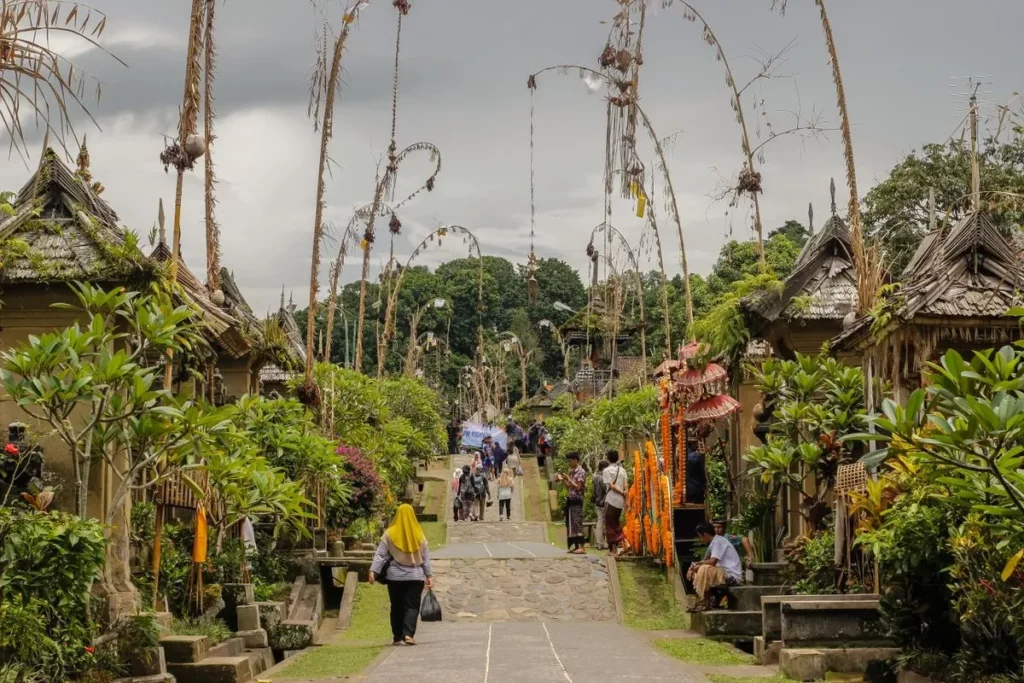
Bali need not look far for a proven model. Penglipuran Village, renowned as one of the world’s cleanest, operates a comprehensive, community-driven system.
Residents collectively sort organic and inorganic waste. Organics are composted locally, while recyclables are sent to the village waste bank. The revenue generated is managed for communal benefit.
This system has remained resilient even as tourist numbers—and potential waste—have grown, keeping the village pristine. Penglipuran demonstrates that effective waste management is less about advanced technology and more about community commitment, clear systems, and shared responsibility.
The closure of the Suwung landfill is a wake-up call. It presents a complex challenge, but also a rare opportunity. By embracing reduction, empowering households, strengthening circular economies, and learning from its own success stories, Bali can transition from a crisis of disposal to a model of sustainability.
The alternative—mountains of unmanaged waste—is not an option for an island whose identity and livelihood are inextricably linked to the beauty and health of its natural environment.
Hey Bali News provides in-depth analysis on the critical environmental and infrastructural issues shaping life on the Island of the Gods.