
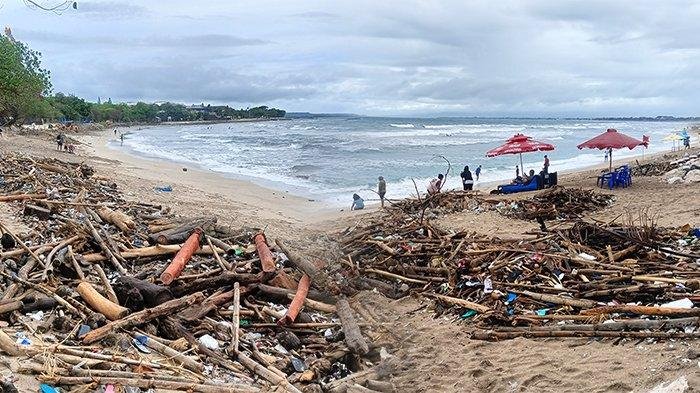
A candid complaint from a visiting foreign official, aired by Indonesia’s President, spotlights the urgent battle for Bali’s environmental reputation and tourism future.
In a striking moment that laid bare the global perception of a local crisis, Indonesia’s President shared a blunt critique of Bali’s environmental state, relayed directly from a high-ranking international visitor. The anecdote, highlighting the island’s visible struggle with waste, has reframed a persistent issue not as a mere municipal challenge, but as an urgent threat to Bali’s standing in the world.
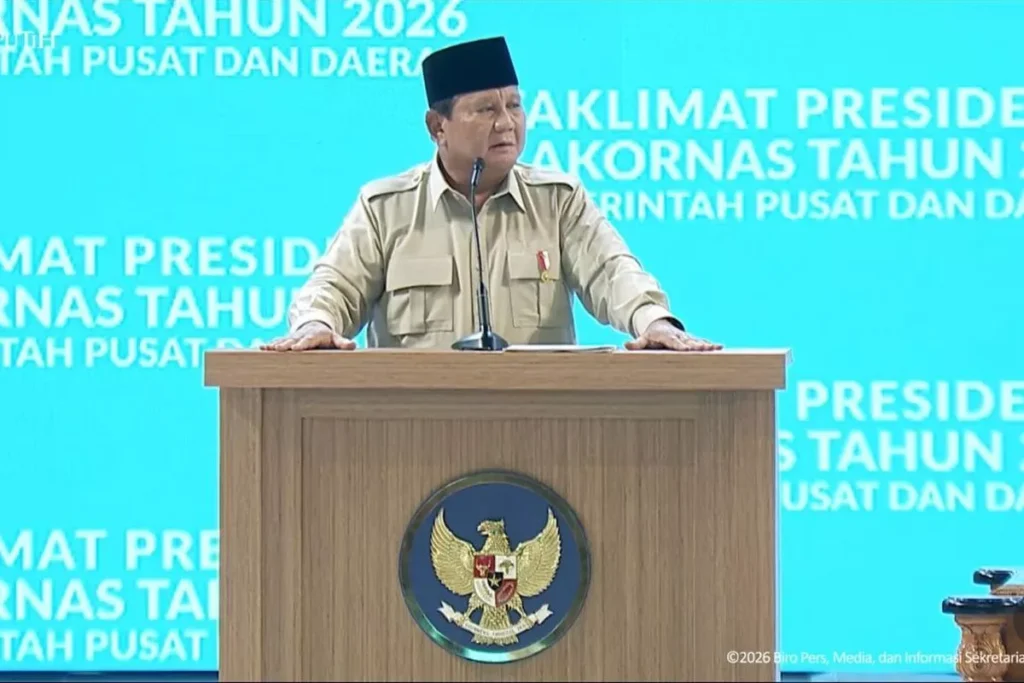
President Prabowo Subianto recounted the encounter during a national government coordination meeting on Monday. He described meeting officials in South Korea, including a general, who offered unfiltered feedback. “He said to me, ‘Your Excellency, I just came from Bali. Oh, Bali so dirty now, Bali not nice,’” the President relayed. “I accept that as a correction. This we must solve together.”
The remarks, delivered before regional leaders, served as a stark wake-up call. They moved the conversation about Bali’s pollution from local forums and traveler reviews to the highest level of national policy, directly linking environmental neglect to economic survival.
From Tourist Paradise to a “Dirty” Destination
The President’s narrative underscored a fundamental risk: tourism, the lifeblood of Bali’s economy and a major national employer, is inherently vulnerable to reputation. “Will tourists want to come to see trash?” he asked, pointing to the contradiction of Indonesia’s natural beauty being marred by neglect. “They want to go to Bali, but Bali’s beaches are dirty.”
This external critique resonates deeply with the island’s international community—expats, long-term visitors, and conscious tourists—who often witness the disconnect between Bali’s spiritual branding and the reality of plastic-choked rivers and littered sidewalks. The comment, “Bali not nice,” strikes at the heart of the island’s curated image of harmony and beauty.

A Presidential “War on Trash” and a Grassroots Mobilization
In response, President Prabowo issued a sweeping call to action, declaring a “war on trash” and outlining a multi-pronged mobilization. He directly challenged Bali’s regional leaders, pointing to their authority over the community. “The governor, the regent… high schools, junior highs, elementary schools are under your control. What is so difficult?” he stated, proposing organized student clean-ups. “Whether it’s Saturday or Friday, gather all the school children at this beach, [say] ‘this is our beach, our yard, let’s clean it up together.’”
When suggesting local governors and regents might be slow to act, he proposed a more direct line of command: “If the regent and governor cannot be ordered by me, I will order the military district commander and the resort military commander… mobilize your troops, korve [community service] every day.” He extended the order to national ministries and state-owned enterprises, instructing all ministers to dedicate at least 30 minutes to cleaning their office environments before starting work.
The Stakes for Bali’s Global Community
For Bali, the episode is more than a political story; it is a critical inflection point. The fact that such feedback is being voiced in diplomatic circles and amplified from the presidential podium signals that the issue has escalated from a local nuisance to a national emergency with international ramifications.
The President’s forceful rhetoric highlights the severe economic and reputational costs of inaction. It presents a clear challenge to the island’s administrators and its residents—both local and foreign. The preservation of Bali’s allure, which draws millions to its shores, now explicitly depends on winning this “war,” transforming the perception from “not nice” back to the paradise the world believes it to be. The battle for Bali’s future, it seems, will be fought on its beaches and in its streets, one piece of trash at a time.