
Indonesia has activated automatic financial data sharing with 117 nations, piercing the veil of offshore accounts and crypto wallets for Bali-based investors and expatriates.
JAKARTA — A quiet yet monumental shift in the financial landscape has taken effect for Indonesia’s international residents and investors. The Directorate General of Taxes (DJP) has formally expanded its global data-sharing network to 117 jurisdictions under the Automatic Exchange of Financial Account Information (AEOI-CRS) framework, a move that fundamentally alters the transparency of cross-border finance, including cryptocurrency holdings.
The update, announced in late January, is not merely a technical adjustment but a powerful signal. It marks the definitive end of an era where Bali could be perceived as a low-visibility financial haven—a place where income earned abroad and held in offshore digital or traditional accounts operated with a degree of anonymity from local tax authorities.
A Global Web of Transparency: From Singapore to Switzerland
The list of participating jurisdictions reads like a directory of the world’s financial hubs: Singapore, Switzerland, the United Kingdom, the United Arab Emirates, Hong Kong, and Japan are all included. This means financial institutions in these countries are now automatically reporting account information of Indonesian tax residents to Jakarta, and vice versa.
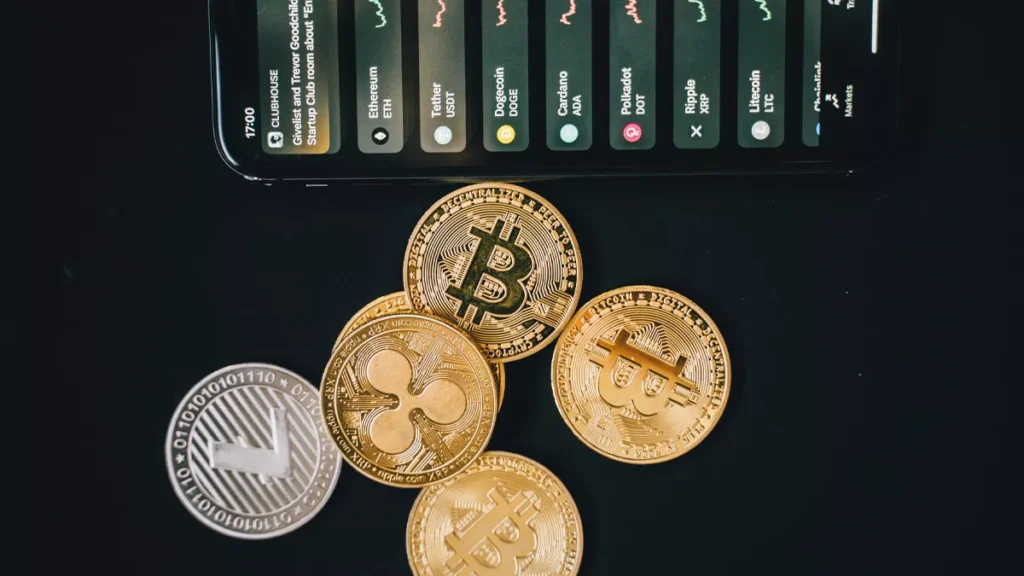
The data encompasses a wide range of financial assets, and crucially, it now extends to holdings on centralized cryptocurrency exchanges that fall under the regulatory reporting obligations of participating nations.
For the large community of expatriates, digital nomads, and foreign investors in Bali, this is a transformative development. Many operate with a global income stream—client payments to a Singaporean corporate account, crypto gains on an exchange in the UAE, or royalties paid into a European bank.
The activation of AEOI-CRS means these financial activities are no longer invisible silos. The Indonesian tax authority can now receive a consolidated, automated view of an individual’s offshore financial footprint if they are considered a tax resident.
Addressing the Unspoken Anxiety
This policy move speaks directly to a quiet but pervasive anxiety within Bali’s international community. The questions are practical and immediate: If my crypto wallet is with an exchange in Singapore, can the DJP see it? If I am a tax resident of Indonesia, what does this mean for my overseas assets?
The clear answer is that financial privacy, in the old sense, has been substantially eroded by international agreement. This is not an Indonesian crackdown in isolation; it is the country plugging into a global system designed to combat tax evasion. The goal is not to ban cryptocurrency or foreign investment but to ensure that economic activity is matched with appropriate fiscal responsibility, regardless of where the assets are digitally or physically held.
Bali: No Longer a Regulatory Grey Zone
The update solidifies a narrative that has been building. Following recent regulations that allow the state to block public services for tax delinquents, this data-sharing expansion confirms that Indonesia is systematically closing loopholes and enhancing enforcement capabilities. For Bali—a magnet for global capital, cryptocurrency enthusiasts, and location-independent entrepreneurs—the implication is profound. The island’s reputation as a laid-back paradise can no longer be mistakenly extended to its regulatory environment.
The message to those living and investing in Bali is one of clarity and compliance. Proactive financial management, understanding one’s tax residency status, and ensuring transparent reporting are no longer optional best practices but essential components of a sustainable life and business on the island. The romantic notion of a completely detached, anonymous financial existence in Bali has met the reality of 21st-century global tax cooperation.
For those who understand the shift early, compliance becomes not a burden, but a form of long-term security. In today’s Bali, lifestyle freedom now requires financial clarity.