
Written by Giostanovlatto. Founder Hey Bali Observer of Tourism
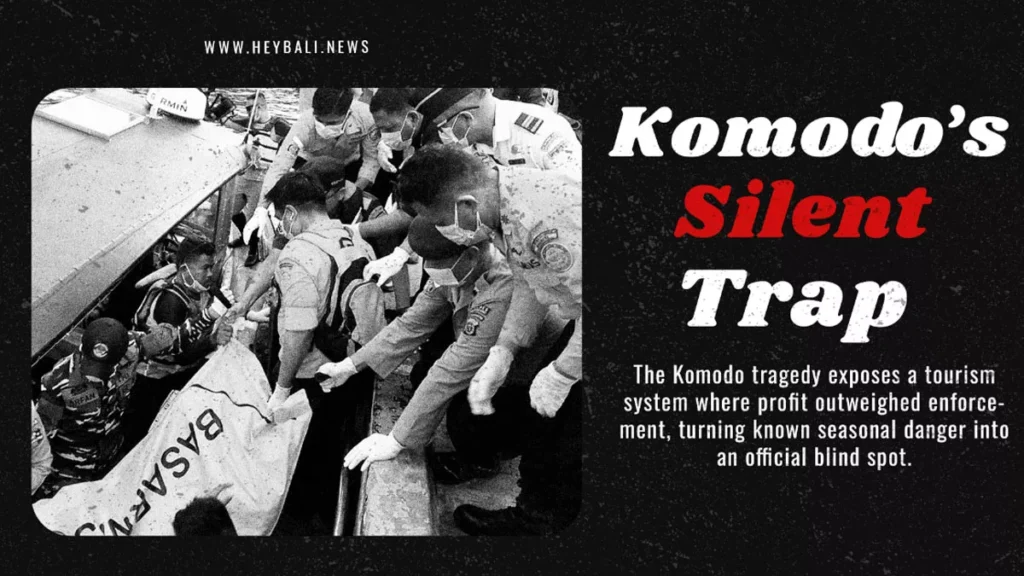
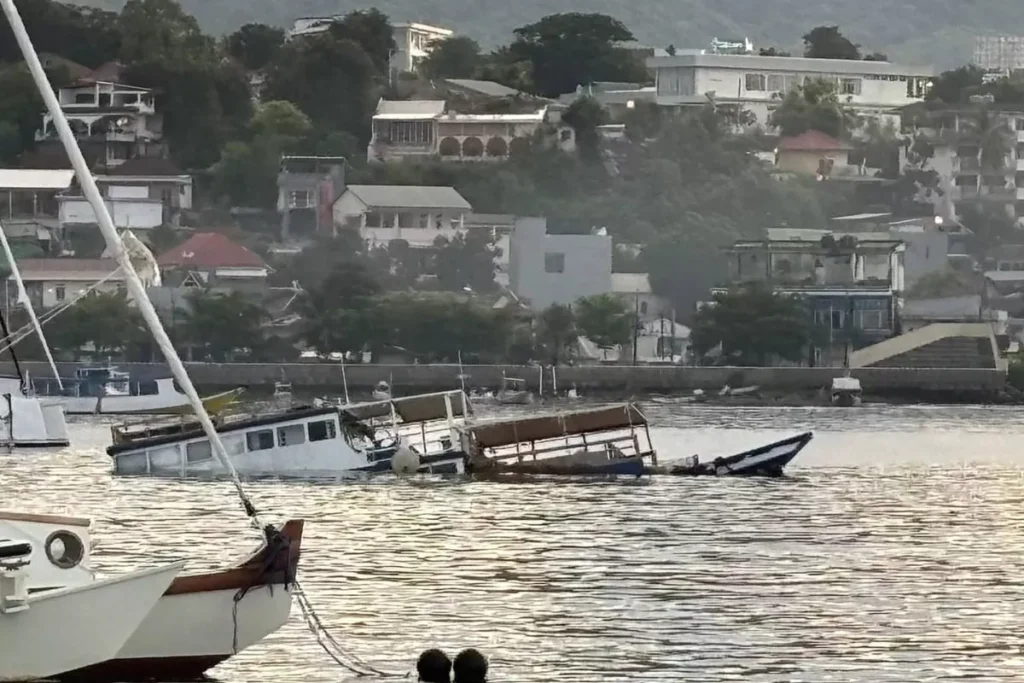
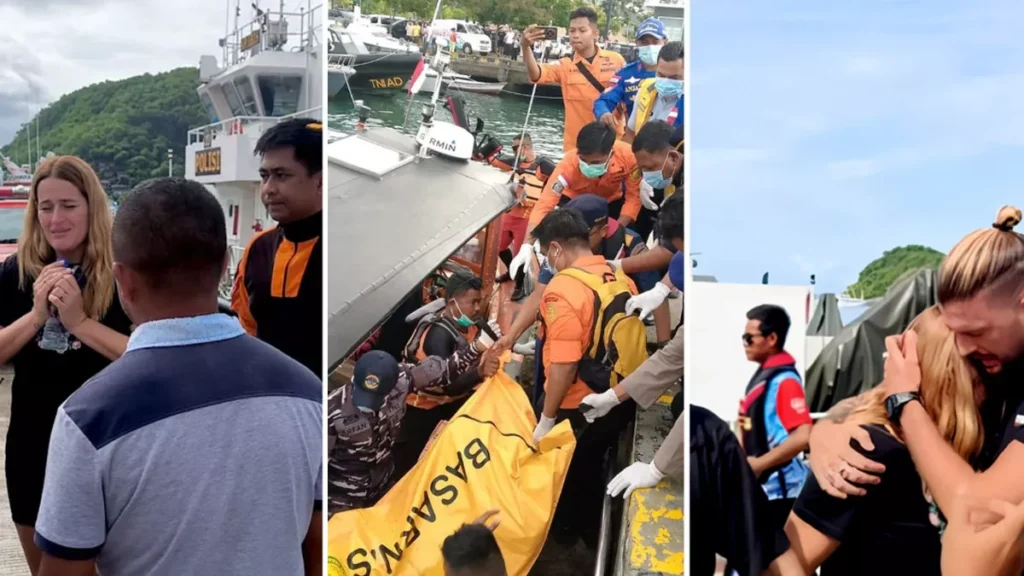
LABUAN BAJO — In the same waters that carved ancient stone dragons, the Flores Sea has claimed a historic toll. The disappearance of Fernando Martín Carreras, a coach of the Valencia women’s team, along with his three young children in Komodo National Park, is more than a tragic news item. It is a layered catastrophe that poses a monumental question: why, in a world-class, state-managed destination, has local knowledge of the “west season” been repeatedly overridden by the relentless logic of mass tourism?
December, January, February. These three months hold no secret for the fishermen of East Nusa Tenggara. They call it “musim barat“—the west season. It is a time when winds rage from the west, when waves the size of small hills can rise without warning, and currents shift into unpredictable vortices. This is inherited knowledge, embedded in the local maritime culture’s DNA. Yet, this wisdom seems trapped on land, failing to form the operational bedrock of safety for the fleet of tourist boats that crisscross these waters.
The irony is bitter: as foreign tourists flock to witness a prehistoric wonder, they are confronted with a modern, systemic vulnerability. The sinking of a boat carrying journalists during a visit by then-President Jokowi years ago should have been the final alarm. But, like many alarms in this nation, it rang loud for a moment, then fell silent. Now, with the loss of a Spanish football coach and his children, the alarm is sounding again—this time with a global echo.

Root Cause Analysis: From Extreme Weather to Regulatory Failure
The question, “is the extreme weather only bad this year?” is misleading. Extreme weather is a constant variable, especially in the age of climate change. What is not constant—and what should be the first line of defense—is the system of mitigation and response.
First, vessel standards and crew certification. How many tourist boats in Labuan Bajo have hull designs adequate for three-meter waves in the Sape Strait? Do the captains’ certifications truly test their ability to read the signs of the west season, or are they mere administrative formalities? The preparedness of these vessels is called into question each time a similar incident recurs.
Second, the early warning system and enforcement. The Meteorology, Climatology, and Geophysics Agency (BMKG) routinely issues extreme weather warnings. However, how effectively is this information disseminated and made mandatory for operators? Are there enforced sailing limitations strictly applied by the National Park and Port authorities when warnings are issued? Or, in a cutthroat business environment, do these warnings become mere “suggestions” open to negotiation?
Third, a safety culture losing to economic pressure. There is immense economic pressure from the entire tourism chain: hotels, restaurants, guides, and taxi drivers. Canceling a trip due to weather means lost income. In this calculus, safety logic often loses to the pressure to “just go, but go slowly.” This is a deadly trade-off between risk and revenue.
The Spanish Case: More Than Just “Famous Victims”

The disappearance of Fernando Martín Carreras has captured international media attention due to his profession. However, to dismiss this as mere coincidence is a mistake. This case precisely highlights the glaring gap between the safety standards expected by global tourists and the on-the-ground reality.
A coach from a top European football club arrived with the expectation that a UNESCO World Heritage site would be managed with world-class safety protocols. What he likely encountered was a system still reliant on improvisation and luck. This tragedy is not merely an accident; it is a breach of the contract of trust between a nation hosting tourism and the global citizens who visit.
Concrete Solutions: Toward Responsible Maritime Tourism
This global attention must become a catalyst for total correction. The following are urgent steps that must be taken:
- An Immediate Moratorium and Surprise Safety Audit: The Ministry of Transportation, together with the Water Police and National Park Authority, must immediately impose an operational moratorium on all Labuan Bajo tourist vessels failing to meet stringent technical standards for extreme weather. The audit must cover vessel seaworthiness, validity of crew certifications, and completeness of safety equipment.
- A Data-Driven, Enforced “Stop or Go” System: Implement a mandatory electronic sailing permit system integrated with real-time BMKG data. If a warning is issued, the system automatically denies permits for specific routes. This decision must be final and non-negotiable.
- High-Standardization and Education: Create a national standard operating procedure (SOP) specifically for marine tourism in extreme zones like Komodo. Every foreign tourist must receive a comprehensive, non-ceremonial safety briefing before departure. Crew certifications must be upgraded with rigorous training for high-sea conditions and emergency rescue.
- Technology and Surveillance: Mandate GPS/AIS trackers on every tourist vessel, connected to a coastal command center. Increase monitoring posts and enhance aerial/maritime patrols during the west season.
Saving Lives, Preserving National Dignity
The sea is the guardian of Komodo’s heritage, but it is also the tester of our civilization. Every time a boat capsizes and lives are lost, it is not only the victims who are drowned, but also our dignity as a nation capable of stewarding its natural gifts with wisdom.
The west season will always come. Extreme weather will grow more frequent. The question is no longer “what is wrong with nature?” but rather, “how robust is the system we’ve built to respect nature’s supremacy?” The Carreras family tragedy must be the last. We need a transition from “reckless tourism” to a maritime tourism industry that is scientifically informed, strictly regulated, and ethically managed. Only then will Labuan Bajo be not just a gateway to ancient wonders, but also a testament to how humanity safeguards its own in the face of nature’s majestic unpredictability.