
An Opinion Essay by Giostanovlatto, Founder Hey Bali News
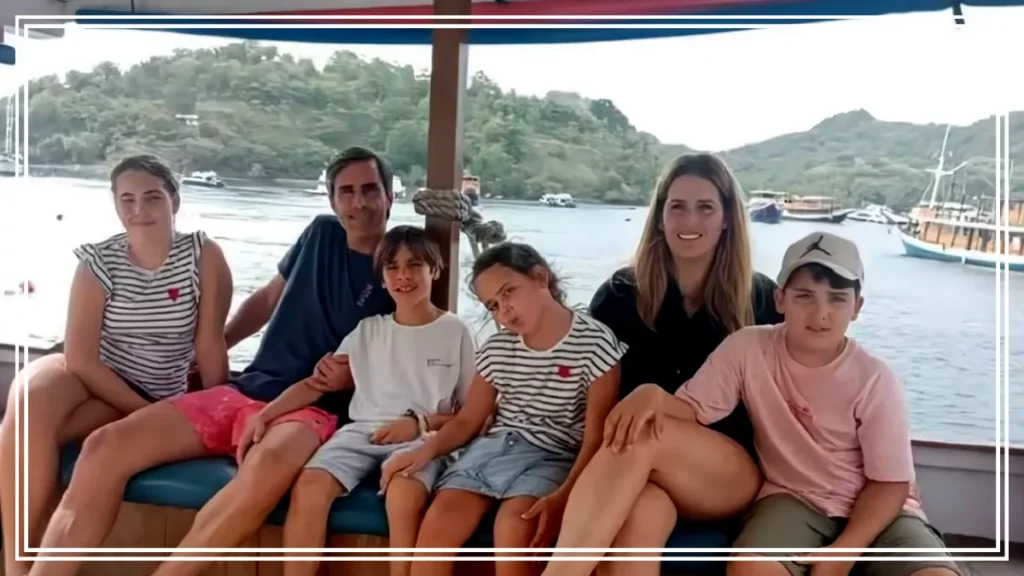
LABUAN BAJO, Indonesia — As the search continues for the final victim of the Putri Sakinah sinking, the tragedy that claimed the lives of Spanish football coach Fernando Carreras and two of his children has drawn global attention to a vessel deeply embedded in Indonesia’s maritime identity: the pinisi.
For international travelers, the pinisi is often seen as an emblem of romance — a handcrafted wooden schooner gliding through turquoise waters in places like Komodo and Raja Ampat. But the unfolding events in Komodo National Park expose a more complex reality, where centuries-old seafaring traditions intersect with the uncompromising safety demands of modern maritime tourism.
From Ocean Trade to Cultural Heritage
The pinisi is not merely a boat. In 2017, it was recognized by UNESCO as part of Indonesia’s Intangible Cultural Heritage, honoring the knowledge of Bugis and Makassar shipbuilders from South Sulawesi. These master craftsmen constructed vessels without formal blueprints, relying instead on inherited techniques and a profound understanding of the sea.
Historically, pinisi ships were built for endurance rather than comfort. Measuring up to 30–35 meters and capable of carrying hundreds of tons of cargo, they traversed long-distance trade routes across the Indonesian archipelago and beyond. Their two masts and seven sails were engineered to harness monsoon winds — a design shaped by generations of adaptation to unpredictable maritime conditions.
The Shift to Tourism and Liveaboard Travel
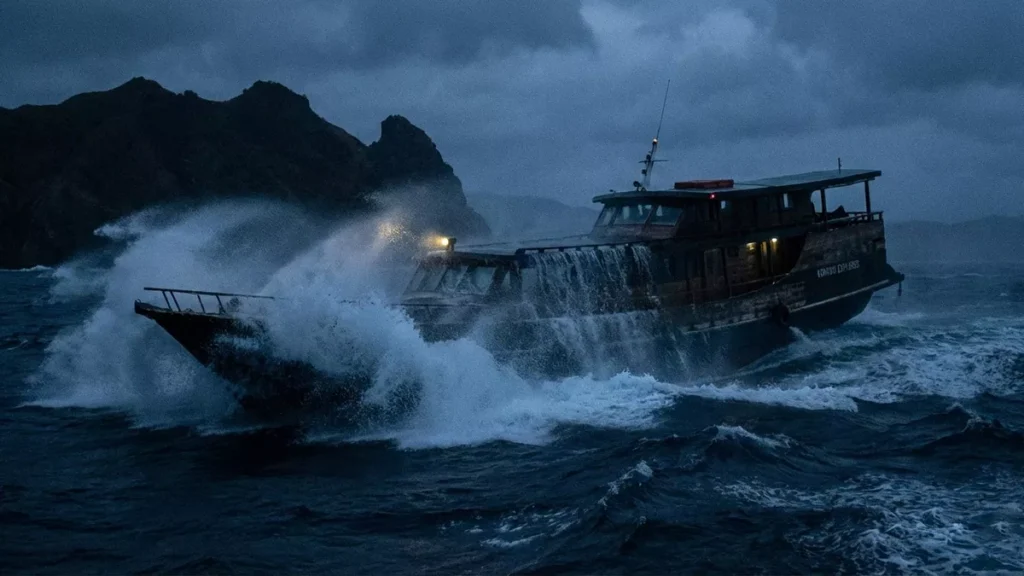
In recent decades, the role of the pinisi has changed dramatically. Once workhorses of regional trade, these vessels are now central to Indonesia’s high-end marine tourism industry. Refitted as liveaboards, pinisi ships carry divers, photographers, and adventure travelers through some of Southeast Asia’s most remote waters.
This transformation, however, has introduced new tensions. While the outward appearance of the pinisi remains traditional, modern operations require advanced navigation systems, certified safety equipment, trained crews, and strict adherence to weather protocols. The tragedy of the Putri Sakinah has placed renewed focus on how well that balance is being maintained — particularly in destinations like Komodo, where currents, weather shifts, and open-sea exposure pose real risks.
Tradition Meets Commercial Pressure
The resilience of the pinisi is unquestioned, but so is the wisdom of its original builders. Traditional sailors understood when not to sail. They read the sea, respected seasonal patterns, and delayed voyages when conditions were uncertain.
Modern maritime tourism operates under different pressures. Tight itineraries, guest expectations, and commercial competition can challenge that culture of caution. In this context, pinisi boat safety depends not only on hull strength or onboard equipment, but on operational judgment — the willingness to delay departures, alter routes, or remain in port when conditions deteriorate.
For maritime safety observers, the lesson is clear: technology cannot replace decision-making. A well-equipped vessel is only as safe as the culture governing its use.
What the Tragedy Means for Travelers


For global travelers drawn to the authenticity of pinisi voyages, the case highlights the importance of informed choice. Beyond aesthetics, questions of certification, crew training, weather policies, and emergency preparedness matter — particularly in areas such as Komodo liveaboard routes, where environmental conditions can change rapidly.
The loss suffered by the Carreras family has turned a spotlight on these issues, not as an indictment of tradition, but as a call to protect it responsibly within a modern tourism framework.
Preserving Heritage Without Compromising Safety
The pinisi remains a powerful symbol of Indonesia’s seafaring soul. Its future, however, depends on more than preservation of form. It requires honoring the deeper values embedded in its history — patience, restraint, and respect for the sea.
At this safety crossroads, the challenge is not choosing between heritage and progress, but ensuring that Indonesia’s most iconic vessels can navigate both — safely.
#heybalinews