
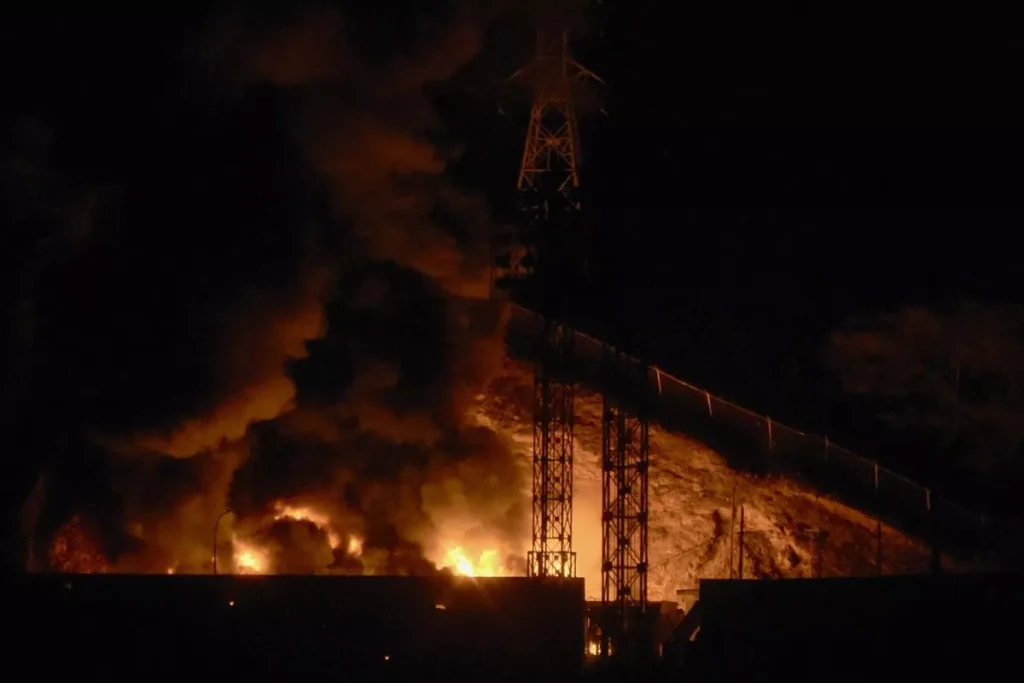
CARACAS, Venezuela — The Venezuelan government declared a national emergency on Saturday following a series of powerful explosions that rocked the capital, Caracas, in the pre-dawn hours, accusing the United States of launching a “very serious military aggression.”
The attacks, which also reportedly struck the port city of La Guaira, began around 2 a.m. local time, with residents describing the terrifying sounds of low-flying aircraft, subsequent detonations, and, in some areas, what sounded like machine-gun fire. Thick plumes of smoke were seen rising from key military installations, including the La Carlota Air Base in the city center and the Fuerte Tiuna military complex—a known residence of President Nicolás Maduro. The Higuerote airport east of Caracas was also cited as a target.
“Venezuela, before the international community, rejects, denies, and condemns the very serious military aggression currently being carried out by the Government of the United States against the territory and people of Venezuela,” read an official statement from Maduro’s administration.
While the White House and Pentagon have not yet issued an official response, multiple U.S. media outlets, including Fox News and CBS News, cited unnamed sources confirming American military involvement in strikes on Venezuelan territory.
The blasts triggered widespread panic. “The whole ground shook. It was terrifying. We heard explosions and planes in the distance,” Carmen Hidalgo, a 21-year-old office worker, told AFP. Residents reported power outages in parts of the city, with many fleeing their homes or hurriedly packing emergency bags. “My girlfriend woke me up and said, ‘They are bombing,'” recounted Francis Peña, 29.
The alleged attack marks a perilous and potentially unprecedented escalation in years of tension between Washington and Caracas. The administration of U.S. President Donald Trump has long accused Maduro of leading a “narco-state,” charges Maduro vehemently denies, framing U.S. pressure as a plot to seize Venezuela’s vast oil reserves.

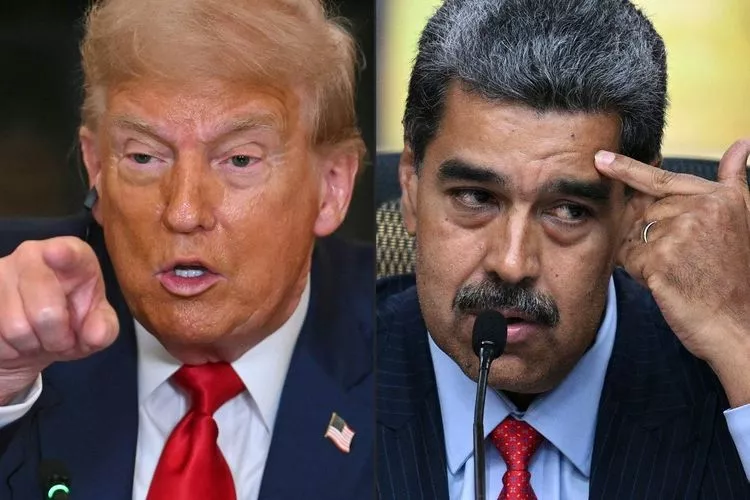
In recent months, the U.S. has intensified its posture, deploying naval assets to the Caribbean under the banner of anti-drug operations, informally closing airspace, seizing oil tankers, and imposing further sanctions. On Monday, Trump stated that the U.S. had attacked and destroyed a dock allegedly used by Venezuelan drug smugglers—a potential ground operation that, if confirmed, would have been a first.
Regional ally and Colombian President Gustavo Petro swiftly condemned the action. “Warning the whole world that they [the U.S.] have attacked Venezuela,” he posted on social media platform X, calling for an emergency United Nations Security Council session.
The full scale of casualties and damage remains unclear. The events plunge the volatile relationship between the two nations into uncharted territory, moving a protracted conflict of sanctions and accusations into the realm of open aerial bombardment, with the international community now watching for Washington’s next move.
A Nation Under Fire: Venezuela Accuses U.S. of "Serious Military Aggression" After Caracas Blastshttps://t.co/al5ppKTwYz#Caracas #Venezuela #USAvenezuelaWar pic.twitter.com/2LJPqpB4DK
— Hey Bali (@Heybaliinfo) January 3, 2026
#heybalinews