

























































1. What Visitors Get Wrong About Bali and Alcohol
Drinking Age In Bali – You’ve seen the familiar picture: a cold Bintang against a slow-burning sunset, the unofficial greeting card of a Bali holiday. For many visitors, that first drink feels like permission to finally relax.
But the island has a way of adding depth to even the simplest moments.
This isn’t a place where alcohol exists only as part of a night out. It sits inside a wider social rhythm shaped by community, ceremony and a cultural logic that isn’t always obvious to newcomers.
That’s why many first-time visitors search for the legal drinking age in Bali Indonesia, expecting a clear-cut rule that mirrors what they know at home. They look for certainty. A number. A boundary that makes sense.
What they encounter instead is a landscape where rules exist, but they live alongside custom and context. Bali isn’t loose or lawless. It simply operates with layers—some written, some lived.
So before you order your first drink, it helps to understand something essential: you’re not just entering a bar.

You’re stepping into a place where everyday life moves with its own cadence, and where even familiar habits take on a different meaning.
〰️🌀〰️🌀〰️🌀〰️
2. The Actual Rule: What Is the Legal Drinking Age in Bali Indonesia?
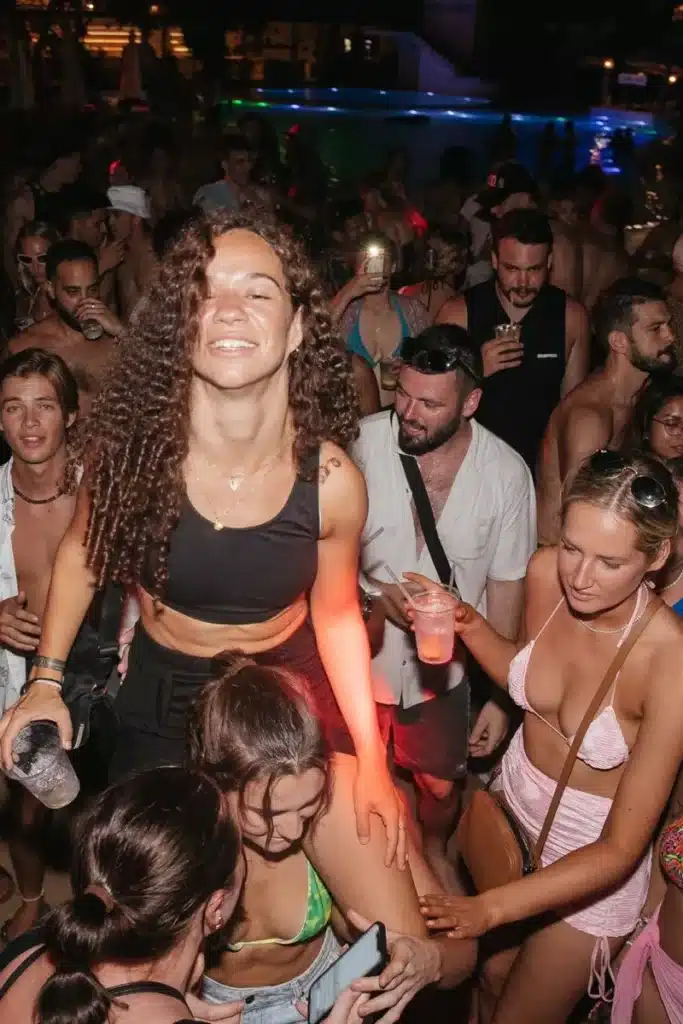
Let’s put the basics on the table: the legal drinking age in Bali Indonesia is 21.
It isn’t a local guideline or an unwritten norm—it’s national law, straightforward and official.
But like many things in Bali, the lived reality can feel different depending on where you are.
In the bright churn of Kuta or the polished corners of Seminyak, the rule sometimes softens in practice. Bars move fast, crowds rotate, and ID checks happen less often than visitors might expect. It’s not chaos; it’s the blend of tourism and hospitality that shapes much of Bali’s nightlife.
Step into a quieter, more local setting and the tone changes. A warung, a family event, a village shop—these places reflect the community around them. The rule is known, and the expectation of responsible behavior carries more weight, even if it’s not spoken out loud.
So yes, the official drinking age is 21. That part is clear.
How it plays out from street to street, beach to village, is where the nuance lives. It’s law threaded into a social rhythm that doesn’t always match what visitors anticipate.
〰️🌀〰️🌀〰️🌀〰️
3. Why the Rule Exists: The Cultural and Social Logic Behind Alcohol Laws
Visitors often mistake Bali’s friendliness for a kind of free-for-all, but the legal drinking age in Bali Indonesia comes from national law, written with the broader Indonesian view of public order in mind—not the island’s tourism-driven rhythm.
Indonesia’s approach to alcohol is shaped by ideas of moderation, community well-being, and a preference for keeping certain influences at arm’s length from younger people. Those values form the backdrop long before anyone thinks about beaches, bars, or holiday culture.

Bali, of course, has its own personality. The ceremonies, the soft pace of village life, the instinct toward harmony—these can create the impression that rules are loose.
What’s actually happening is something quieter: the law sits alongside a social habit of avoiding confrontation.
Enforcement can feel gentle, but it doesn’t mean the rule is vague.
This is the part first-time visitors often miss.
The boundaries around alcohol—including the drinking age in Bali—aren’t built for tourism. They come from a wider social landscape where family life, community balance, and local customs set the tone. Tourists adapt to that environment, not the other way around.
〰️🌀〰️🌀〰️🌀〰️
4. How It Works in Real Life: The Unspoken Etiquette
So how does this play out when you actually order a drink? In practice, things run more on social expectations than visible enforcement.
At bars and beach clubs, service tends to be easygoing. Staff focus on hospitality and usually won’t ask for ID unless someone looks clearly underage.
Even so, there’s an unspoken expectation that guests behave responsibly. Public intoxication or creating a scene isn’t taken lightly—not just by the venue but by the community around it.
The same applies to mini-marts where alcohol is openly available. Buying a drink is simple, but you’re still standing within a culture that cares deeply about harmony and mutual respect.

This is the unwritten rule: Balinese culture leans toward trust and social responsibility rather than confrontation.
The absence of an ID check isn’t permission to overdo it. It’s a gesture of trust, with the assumption that you’ll respect both the law and the environment you’re in. The real boundary isn’t always a security guard—it’s the shared understanding that your choices shouldn’t disturb the collective calm.
〰️🌀〰️🌀〰️🌀〰️
5. Where Enforcement Tightens — And Why
Despite its nuances, the law in Bali has firm boundaries. There are moments when the legal drinking age in Bali Indonesia is enforced not as a gentle reminder, but as a strict requirement.
The clearest trigger is anything that threatens public order. Enforcement tends to increase during major events like Nyepi, New Year’s Eve, or large ceremonies when authorities place extra attention on community safety. The same applies when underage drinking intersects with traffic issues, especially motorbike accidents. In situations like these, the drinking age in Bali shifts from a background rule to a legal line with real consequences.
Some traditional villages (desa adat) also apply their own local regulations, which can be stricter than national law. Within these communities, local authority carries significant weight, and their rules are expected to be followed without exception.
The takeaway is straightforward: the main concern isn’t someone quietly having a drink. It’s what can unfold afterward. Enforcement becomes firm when breaking the drinking age rule leads to a larger problem—a disturbance, an accident, or a breach of cultural expectations. The law is most active when safety or community harmony is at risk, which is the very reason the rule exists in the first place.
And if a situation ever crosses from a simple misunderstanding into something more serious, it helps to know where to turn. You can read our Bali legal assistance guide for a clear, practical overview of what support is available on the island.
〰️🌀〰️🌀〰️🌀〰️
6. Alcohol, Respect, and the Rhythm of the Island

Bali isn’t opposed to alcohol. What it values is respect. The island has always welcomed visitors who want to relax, socialize, and enjoy its nightlife. But this enjoyment happens in a shared space, guided by an understanding that personal behavior affects the community around you.
Having a drink is part of the vacation spirit. Losing control in public is not. Loud or disruptive behavior doesn’t only bother other travelers; it cuts against the social harmony that Balinese culture quietly protects. This is why the legal drinking age in Bali Indonesia isn’t just a rule about alcohol—it’s part of a broader expectation of responsible conduct.
Public behavior here carries a deeper meaning. The streets lined with beach bars are the same routes used for daily offerings and ceremonial processions. These places aren’t seen as separate worlds. They’re part of a continuous, living environment where spiritual practices and everyday life coexist.
In that context, public intoxication isn’t viewed as a private lapse. It feels like a disruption to the island’s balance, a moment that breaks the rhythm locals work hard to maintain.
The real skill of visiting Bali is understanding this blend. You’re free to enjoy the island’s social side, but that freedom comes with a quiet responsibility. A simple awareness—of place, of culture, of the people around you—is what keeps everything in harmony.
〰️🌀〰️🌀〰️🌀〰️
7. What Travelers Should Actually Do

So what does all this mean when you’re actually out enjoying a drink? It comes down to a practical shift in mindset rather than a checklist.
If you look on the younger side, keep an ID with you. It’s rarely asked for, but having it avoids awkward moments. When you move beyond the busy tourist zones—toward villages, community spaces, or anywhere close to a temple—be conscious of how much you drink. Expectations around behavior are different there, and people notice more than you think.
One rule deserves zero negotiation: don’t mix alcohol with riding a scooter. This is the leading cause of serious accidents and legal trouble for visitors. The easygoing atmosphere doesn’t cancel out the risks, and the consequences can be severe.
In the end, it’s simple. You’re welcome to enjoy Bali’s nightlife and social scene, but you’re also expected to bring a sense of awareness to the experience. Drink with consideration for the place and the people around you. It’s the kind of respect that keeps your trip not only enjoyable, but free of complications.
〰️🌀〰️🌀〰️🌀〰️
8. Common Myths About Drinking Age in Bali

There’s no shortage of confident advice online about alcohol in Bali, and much of it doesn’t hold up. Here are some of the misconceptions that tend to mislead first-time visitors.
Myth: “There’s no drinking age in Bali.”
Not true. The legal drinking age in Bali Indonesia is 21, set at the national level. Thinking the island operates without rules puts you at risk more than anything else.
Myth: “Bali has different alcohol laws from the rest of Indonesia.”
The culture is distinct, but the regulations aren’t. The same national laws apply here as they do in any other province.
Myth: “Bars don’t care how old you are.”
This one is half-true and therefore the most misleading. Staff may not always ask for ID, but that’s a gesture of hospitality, not a sign that the rule is irrelevant. The drinking age in Bali still stands, and when trouble happens, it’s enforced.
Myth: “You can drink freely in the street.”
Public drinking isn’t part of the local norm. Near temples, village areas or quiet neighborhoods, it’s considered disrespectful. Beach clubs and nightlife zones don’t represent the island as a whole.
Clearing up these myths matters because they shape how visitors behave. Once you understand the actual laws and the cultural expectations behind them, it becomes much easier to move through Bali with both confidence and respect.
〰️🌀〰️🌀〰️🌀〰️
9. Closing Reflection: Keep the Magic, Keep the Boundaries

Bali’s charm has always come from its balance. Celebration and ceremony sit side by side. Visitors bring their energy, and the island answers with its own quiet rhythm.
None of the rules here exist to limit you. They serve as reminders that the most rewarding experiences come when you meet a place as it is, not as you expect it to be. Once you understand that, the island opens in ways guidebooks can’t explain.
So yes, the legal drinking age in Bali Indonesia is 21, but the real message runs deeper: enjoy what the island offers, stay aware of the space you’re in, and treat that space with care.
The boundaries aren’t there to dampen the experience. They’re part of the reason the experience remains meaningful.
“Freedom here isn’t about how much you can do, but how well you understand where you are. Hold that awareness, and Bali opens in ways no guidebook can explain.” – Giostanovlatto, Founder Hey Bali
Read: Bali Rental Villa: What You Need to Know Before Renting
〰️🌀〰️🌀〰️🌀〰️

Meet the Author :
Giostanovlatto has spent years studying the quiet rhythms that shape life in Bali—especially the unspoken rules that visitors rarely notice. He doesn’t write to warn or to judge, but to help travelers understand the cultural logic behind everyday moments, including something as simple as ordering a drink. His approach is grounded in observation, conversation, and deep respect for the island’s social fabric.