



























































Bali IMPACT Immigration System – Bali is known for its soft landings. Even when the airport is busy and the sun hits harder than expected, the island still greets you with a sense of ease. But behind that calm surface, Bali is quietly preparing for one of its biggest shifts in immigration policy—one that will shape how tourists, digital nomads, and long-stay visitors move across the island in the years ahead.
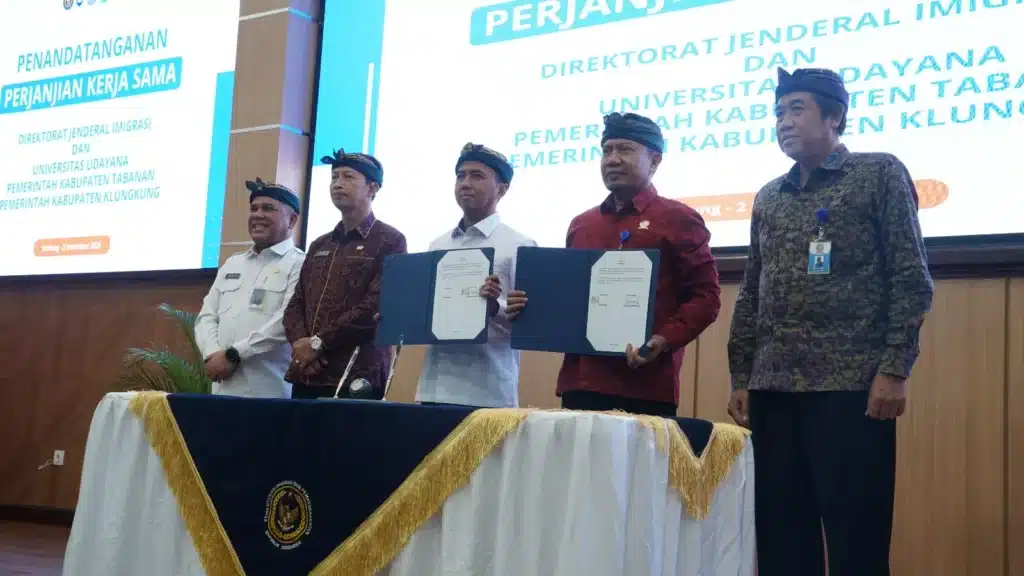
This shift is built around a new initiative called the Bali IMPACT Immigration System, a collaboration between Indonesia’s Directorate General of Immigration and Udayana University. It’s not a flashy announcement. It’s the kind of structural change travelers rarely see coming, even though it will influence almost every future trip to the island.
〰️🌀〰️🌀〰️🌀〰️
A New Framework Behind the Scenes
When you land in Bali, immigration feels simple: show your passport, choose your visa, enjoy your stay. But authorities have been dealing with a different reality—overstays treated lightly, digital nomads working without proper permits, property schemes using nominee loopholes, and a rising number of arrivals from global conflict zones.
These problems have pushed Bali to rethink its approach.
The answer is the Bali IMPACT Immigration System, designed to bring a more thoughtful, knowledge-based structure to how foreigners enter, stay, and behave while on the island.
Housed inside Udayana University’s Faculty of Law, the system combines academic research with real-world enforcement. Students, researchers, and immigration officers will work together to study trends, identify risks, and help shape new rules before problems get out of hand.
〰️🌀〰️🌀〰️🌀〰️
Why Bali Created the IMPACT System

Every traveler comes with a story, but immigration officers are seeing certain patterns repeat themselves:
- Tourist visas used for long-term remote work
- Overstays treated as a minor fee
- Cultural sites disrespected because rules weren’t understood
- Online rental and business platforms used by foreigners to operate illegally
For years, the response has been reactive. Now Bali wants something steadier.
The Bali IMPACT Immigration System aims to replace guesswork with actual data—visitor behavior, risk mapping, digital footprints, and changes in global mobility.
In simple terms: Bali wants to stay welcoming, but it also wants clearer boundaries.
〰️🌀〰️🌀〰️🌀〰️
How This Affects Tourists and Long-Stay Visitors
This isn’t a system meant to intimidate travelers. It’s meant to create clarity.

Here’s what visitors can expect as the Bali IMPACT Immigration System grows:
- More consistent rules on visas and permitted activities
- Stronger oversight for long-stay foreigners and remote workers
- Better use of technology, including biometric checks and digital monitoring
- Clearer penalties for overstays and unauthorized work
- Faster policy updates, backed by research instead of sudden reactions
For the average tourist, this means the basics stay the same—enjoy Bali, respect local norms, follow your visa conditions. For long-stay travelers and digital nomads, the days of “flexible interpretations” are slowly ending.
〰️🌀〰️🌀〰️🌀〰️
Where Research Meets Real-World Travel
One unusual part of this initiative is how deeply Udayana University is involved.
The immigration partnership doesn’t stop at research. It includes:
- A dedicated Immigration Law program
- Scholarships for immigration staff
- Field research into tourism patterns
- Student-led “cyber patrols” that monitor online activity linked to illegal renting or unlicensed business activity
This is the backbone of the Bali IMPACT Immigration System—a blend of academic analysis and practical enforcement that tries to stay one step ahead of Bali’s fast-evolving tourism landscape.
〰️🌀〰️🌀〰️🌀〰️
What This Means for Bali’s Future Travelers
If you love Bali, this shift is ultimately good news.
It supports sustainable tourism, protects cultural sites, and ensures the island remains a place where both visitors and locals benefit from each other.

- For travelers, it means fewer surprises.
- For digital nomads, it means understanding the rules before settling in.
- For Bali, it means a healthier long-term relationship with the millions of people who arrive every year.
The Bali IMPACT Immigration System is still in its early stages, but its direction is clear: Bali wants smarter policies, cleaner data, and a more respectful balance between guests and hosts.
Your next trip won’t look any different at first glance—but the framework guiding it is already shifting beneath the surface. And in a place like Bali, where tourism and identity are woven tightly together, that shift matters.
〰️🌀〰️🌀〰️🌀〰️
FAQ: Understanding the Bali IMPACT for Tourists and Digital Nomads
〰️🌀〰️🌀〰️🌀〰️

Meet the Author
Giostanovlatto is a professional sunset-chaser and the founder of Hey Bali. He believes the real Bali begins where the airport taxi queues end. As a long-time observer of the island’s tourism, his conversations about Bali range from warung owners to ministers, all in the same straightforward language. He’s on a mission to ensure your journey starts with a smile, not a financial negotiation.