














































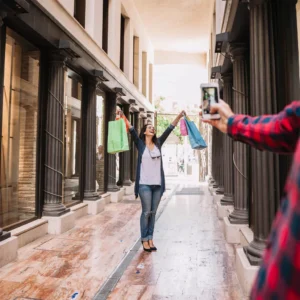




1. The “Instant Healing Starter Pack”
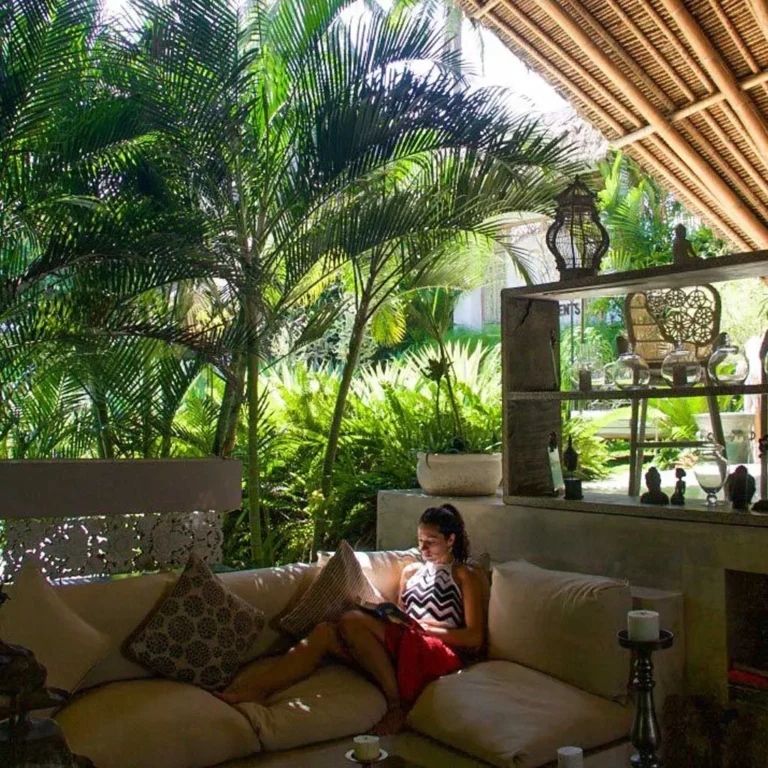
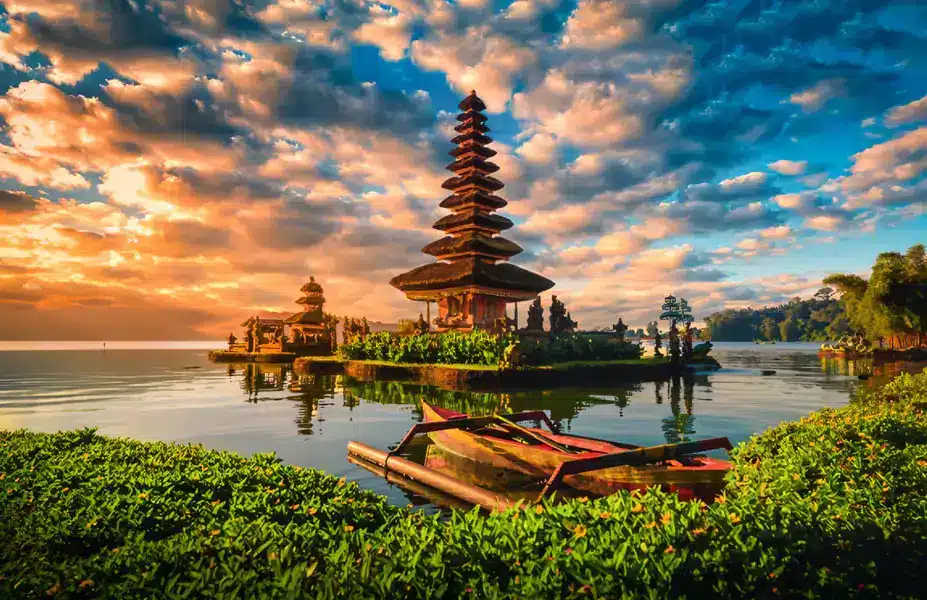
Bali Spiritual Tourism – It’s a familiar scene in Bali. After barely 48 hours on the island, a fresh-off-the-plane traveler is already settled in a stylish cafe with a spirulina smoothie bowl, a new Mala bracelet, and a “gratitude journal” that still smells like the shop they bought it from. By sunset, they’ve posted a photo at Tanah Lot with the caption “I found myself,” and just like that, they consider themselves officially “healed.”

Welcome to the Instant Healing Starter Pack—the modern face of Bali spiritual tourism, where deep transformation is expected to happen as quickly as a good Wi-Fi signal. The idea is simple: one sound healing session or a single Ubud yoga class can wipe out years of stress and turn a weekend trip into a life reboot.
No question, the island has a magnetic pull. Bali can open doors to meaningful spiritual exploration. But the global idea of a Bali spiritual journey has, for many, started to look like an Instagram filter—pretty, polished, and easy to share, but smoothing over the complicated and far more interesting reality underneath.
The real magic doesn’t show up in a quick fix. It lives in a slower rhythm of culture and community that the “48-hour healing arc” often skips entirely. So before you roll out your yoga mat and your expectations, it’s worth peeling back the filter to see what’s really at play behind the hype.
〰️🌀〰️🌀〰️🌀〰️
2. How Bali Accidentally Became the World’s Spiritual Brand
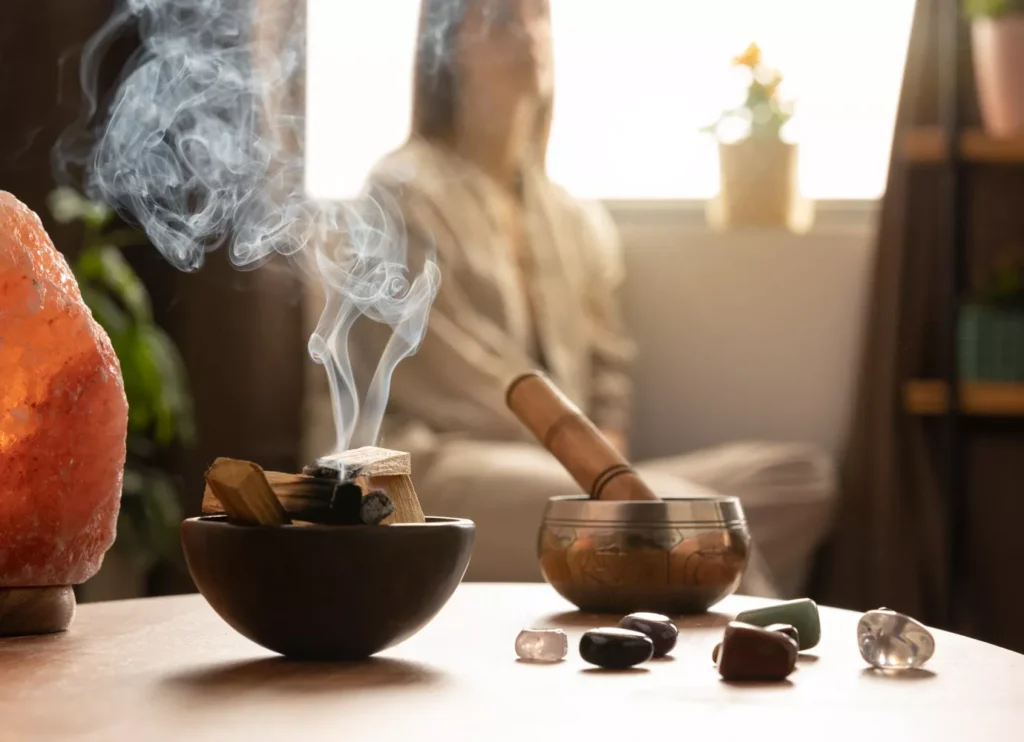
From Quiet Seekers to a Global Audience – Bali Spiritual Journey
How did a small island end up becoming the world’s favorite place for a spiritual reboot? The irony is that Bali never set out to be a global “spiritual brand.” It happened almost by accident—a mix of longing, myth-making, and stories people were eager to believe.
Long before #BaliHealedMe existed, the island was the quiet domain of artists, musicians, and wanderers who arrived in the 1960s and 70s. They weren’t chasing instant enlightenment. They were drawn to Bali’s daily rituals, the scent of morning incense, the hypnotic gamelan, and a spiritual life that wasn’t curated for anyone. This early wave formed the roots of authentic spiritual tourism in Bali—raw, unpolished, and nothing like the commercial wave that would follow.
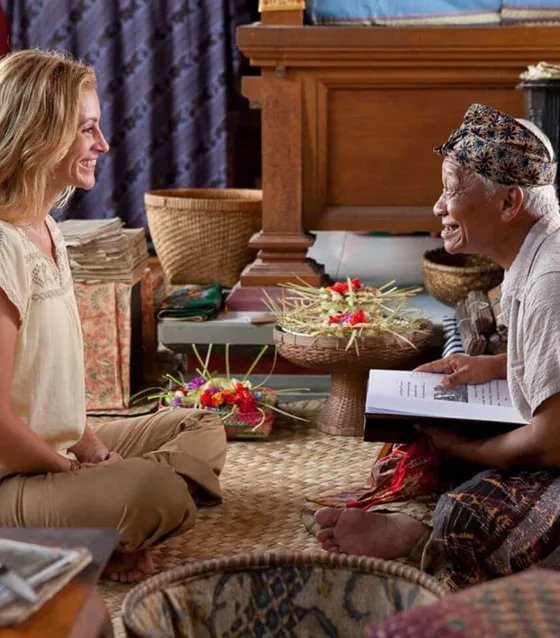
Then came the cultural earthquake known as Eat, Pray, Love. Elizabeth Gilbert’s memoir—and the Hollywood film that followed—turned a deeply personal, messy spiritual journey into a polished, three-act transformation story. Overnight, the world was handed a template: a trip to Bali now promised clarity, healing, maybe even romance. For many, it became a shortcut narrative, sometimes mistaken for a stand-in for the long, difficult work of actual therapy.
Ubud became the epicenter of this shift. What had once been a quiet artists’ village transformed into the global capital of yoga and wellness. Without any real master plan, a full ecosystem emerged: detox retreats, breathwork workshops, cacao ceremonies, and an ever-growing list of spiritual teachers—many with ideas that drifted far from Bali’s own Hindu Dharma. The demand was global, and Ubud evolved to match it.
Influencers, Myth-Making, and the Branding of an Entire Island – Bali Spiritual Tourism
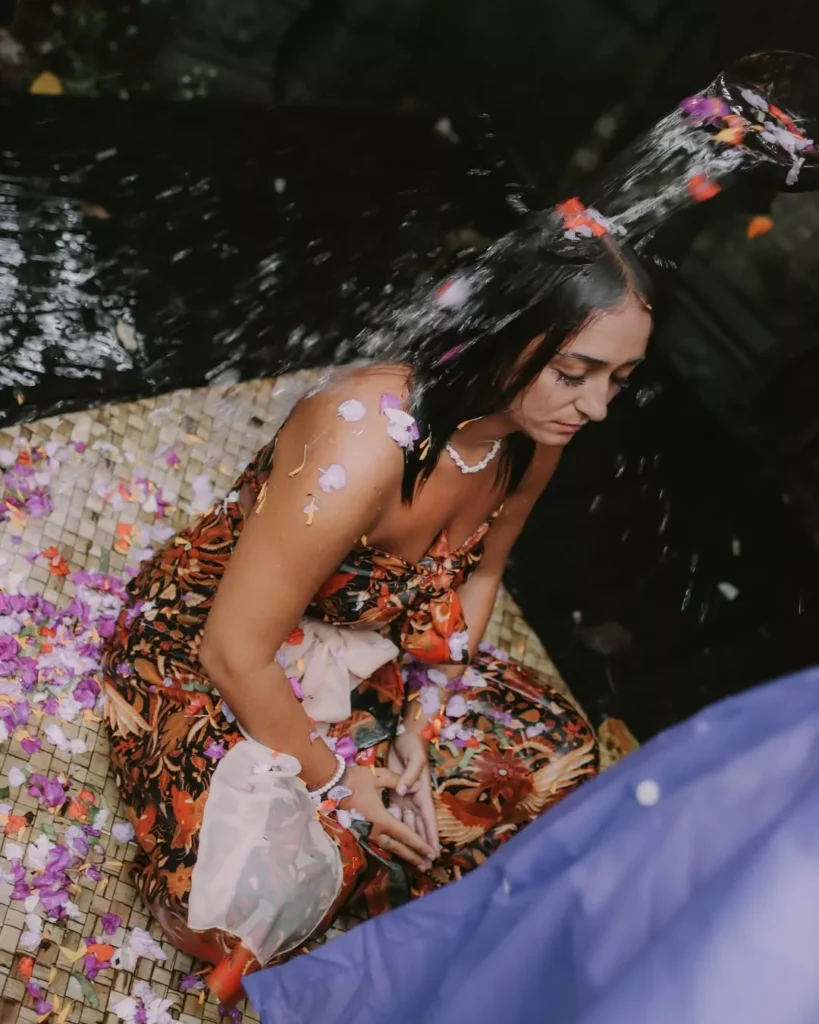
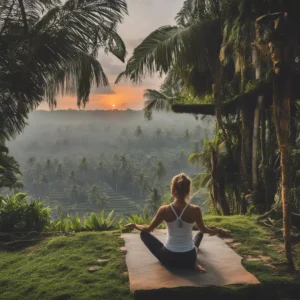
When influencers arrived, the transformation accelerated. Social media didn’t just spread the trend—it turbo-charged it. A Bali spiritual journey became premium content. Meditation poses on cliffs, “authentic” moments with locals, tear-filled reflections about healing—each post helped reinforce the myth.
Spirituality turned into both a lifestyle and a personal branding strategy, blurring the line between true transformation and a curated persona.
In the end, Bali’s reputation as the world’s spiritual sanctuary wasn’t crafted through a clever campaign. It was shaped by global projection. People needed a place that symbolized renewal and meaning. Bali, with its beauty and rituals, became the ideal canvas. The island never auditioned for the role, but somehow, it was cast anyway.
〰️🌀〰️🌀〰️🌀〰️
3. What the Real Balinese Spirituality Looks Like (Spoiler: Less Instagram, More Community)
So, what exists beneath the brand? If the modern Bali spiritual tourism scene often feels like a solo performance, the island’s authentic spirituality is a grand, ongoing community opera. It’s less about finding yourself and more about understanding your place within a intricate web of life.

The Philosophy: Harmony, Not Just Happiness – Bali Spiritual Journey
The entire system is anchored by Tri Hita Karana—the three causes of well-being. This isn’t a self-help mantra; it’s a practical guide to life. True peace comes from balanced relationships: with God (Parahyangan), with the community (Pawongan), and with the natural environment (Palemahan). This holistic framework is the invisible architecture of a Balinese spiritual journey, one that is inherently collective rather than individual.
The Practice: Rituals of Connection, Not Consumption – Bali Spiritual Tourism
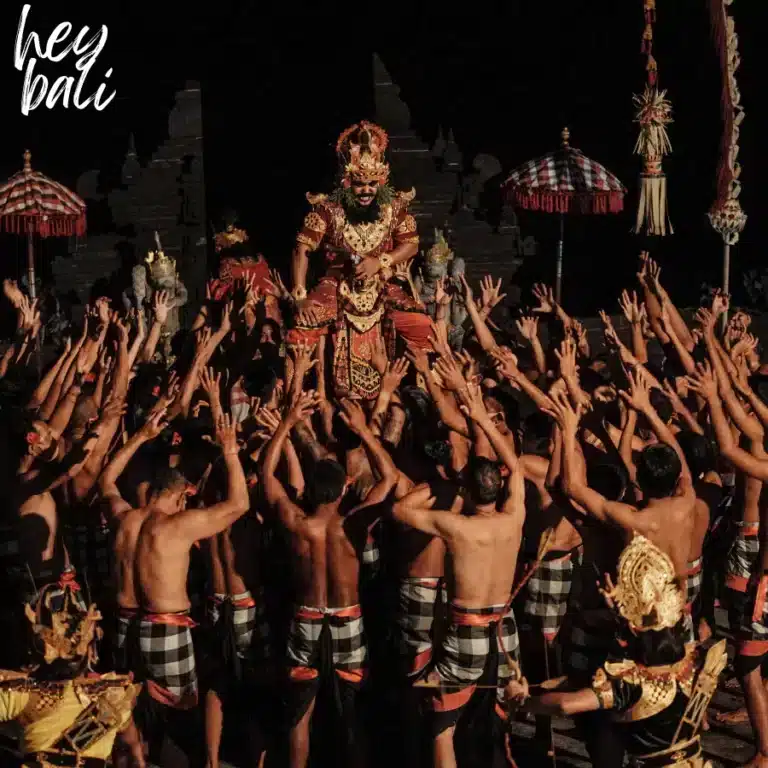
You witness this philosophy in action every single day. It’s in the woman meticulously placing a canang offering, a daily act of gratitude that maintains cosmic balance. It’s in the vibrant, scheduled temple ceremonies (odalan) and the powerful community engine of the banjar, where every family contributes to the collective good.
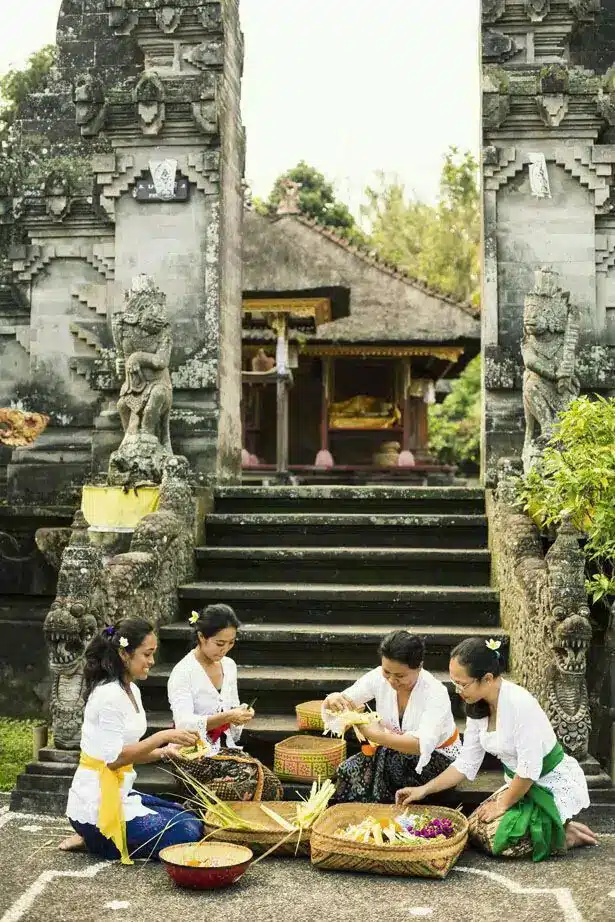
This is where the central contrast becomes undeniable. The tourist’s idea of a spiritual journey is often a solitary pursuit of inner peace. Meanwhile, the local spiritual reality is vibrant, noisy, and profoundly social. While a visitor seeks “hening” (quiet) in a yoga shala, their neighbor is likely sweating and laughing with dozens of others in a gotong royong, preparing for a village ceremony.
For the Balinese, spirituality isn’t a product you buy. It’s the rhythm of daily life—a constant, active practice of maintaining harmony. It’s the powerful, unseen current that has given this island its soul for centuries, offering a far deeper spiritual travel experience for those willing to look beyond the individualistic wellness narrative.
〰️🌀〰️🌀〰️🌀〰️
4. The World’s Biggest Misunderstandings (a.k.a. Bali Myths We Need to Retire)
With the real picture of Balinese spirituality in mind, it’s time to clear the air. The romanticized version of a Bali spiritual journey has spawned some persistent myths. It’s time to retire these clichés for good.
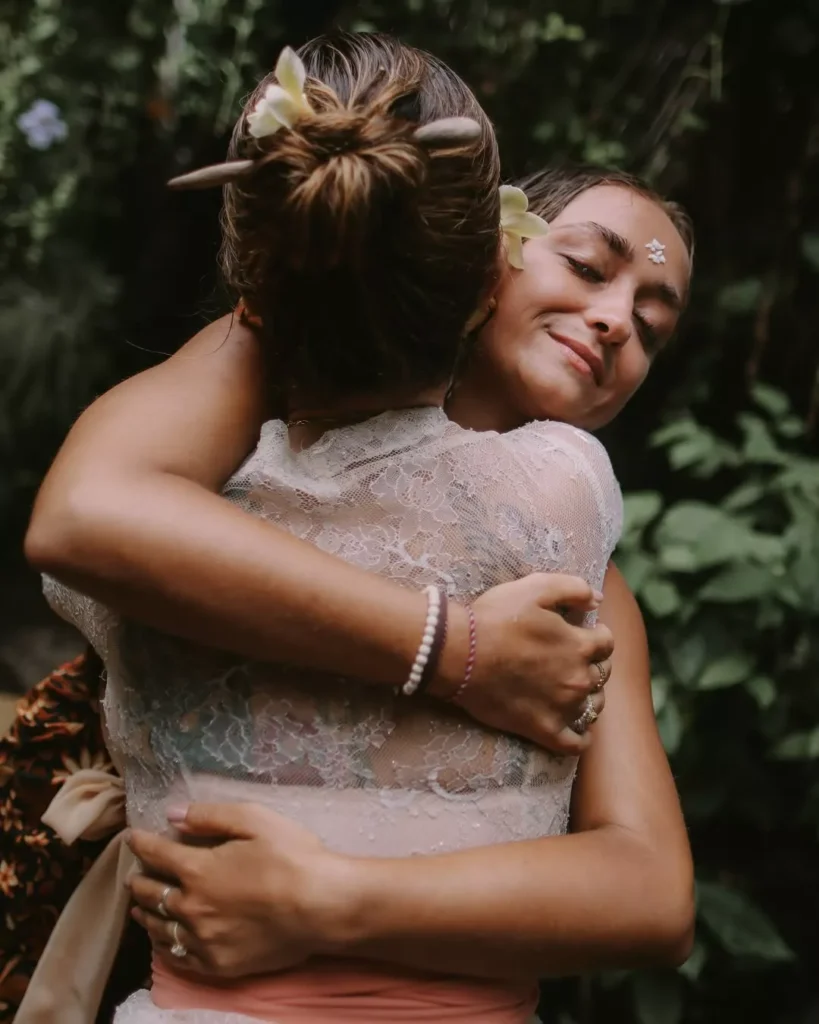
Myth 1: “You Can Be Healed in a 72-Hour Retreat”
The Reality: Authentic transformation is a discipline, not an event. While a retreat can be a powerful catalyst, the real healing in Bali that the island teaches is about consistency—the daily rituals, the mindful living, and the integration of lessons long after you’ve left. It’s a seed that needs time to grow, not a switch you flip.
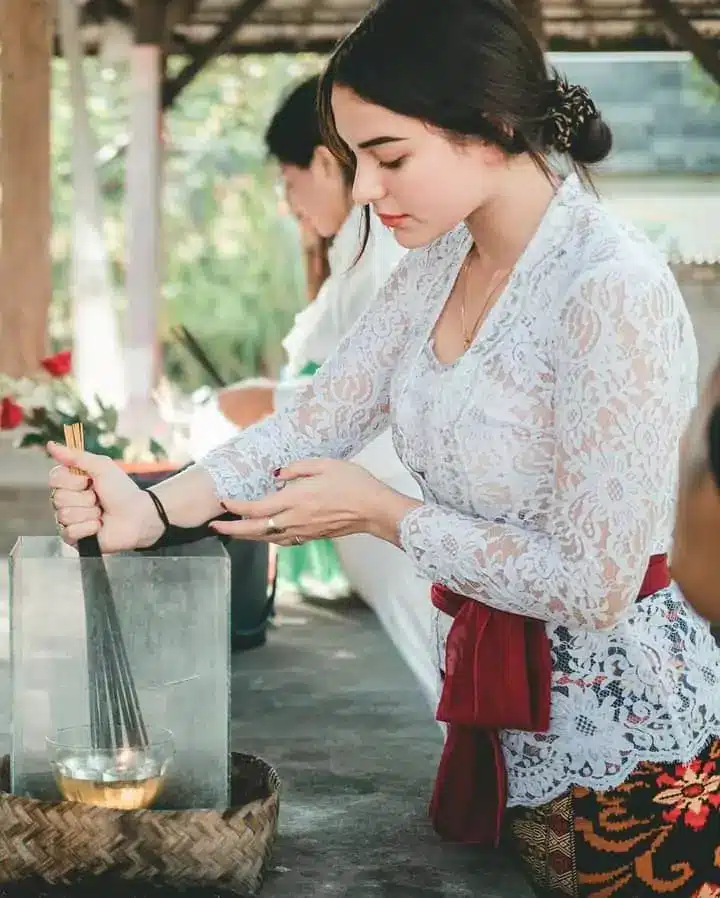
Myth 2: “Every Ceremony is a Tourist Attraction”
The Reality: This is perhaps the most critical line to understand. While Balinese culture is incredibly welcoming, many rituals are deeply sacred and private. The profound silence of Nyepi, for example, is a sacred day of introspection, not just a unique cultural experience. Respecting these boundaries is a non-negotiable part of ethical spiritual tourism.
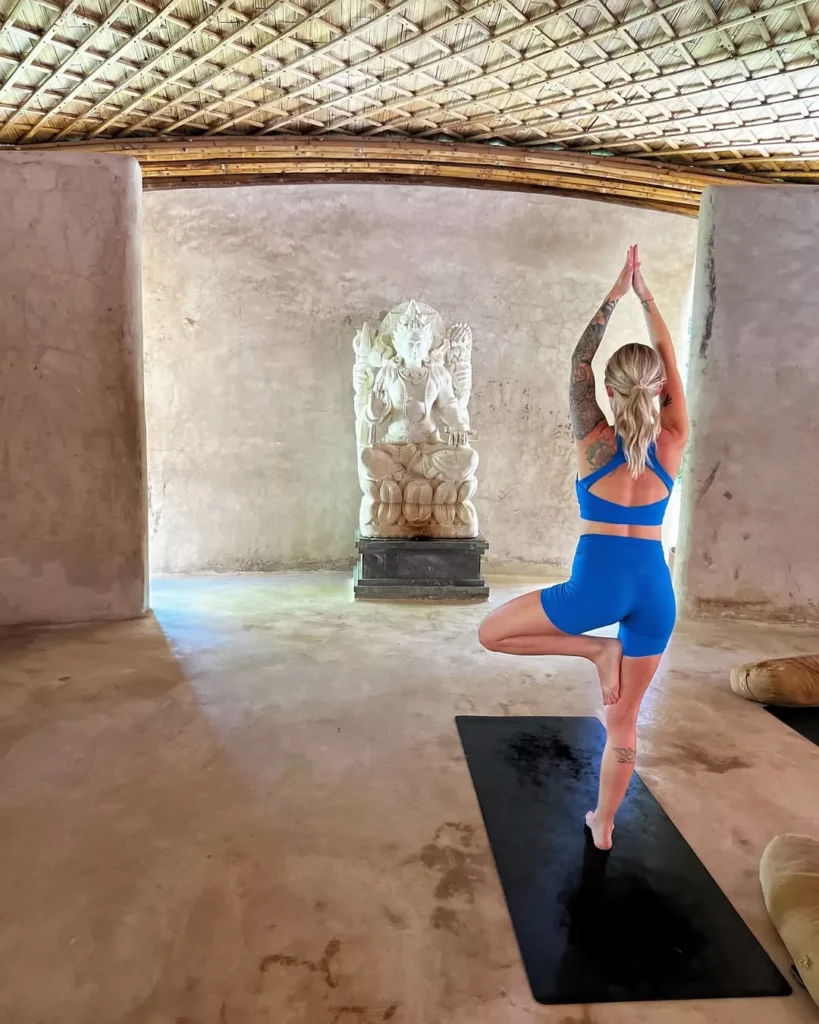
Myth 3: “Modern Yoga is an Ancient Balinese Tradition”
The Reality: The vibrant yoga scene here is largely an import, with roots in Indian tradition and modern Western wellness. While it complements the island’s vibe, it’s separate from the indigenous spiritual practices of Balinese Hinduism. Recognizing this distinction is key to appreciating what is truly local.
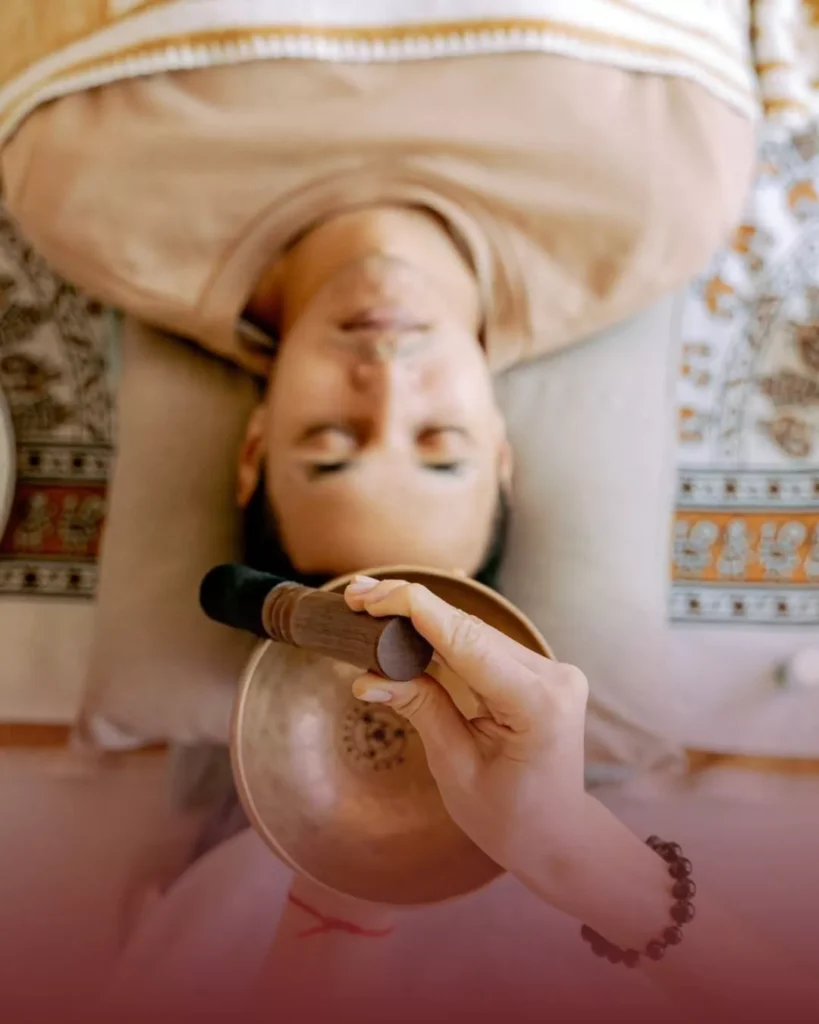
Myth 4: “Spiritual Wisdom is Something You Can Purchase”
The Reality: The deepest parts of a transformative Bali journey are often free. It’s the humility observed in a daily offering, the sense of community in a village temple, or the quiet awe of a mountain sunrise. No premium retreat package can guarantee these moments; they are found through respect, observation, and an open heart.
〰️🌀〰️🌀〰️🌀〰️
5. When Spirituality Becomes a Business (and Everyone Opens a Retreat Center) – Bali Spiritual Journey
The global hunger for a quick spiritual fix has, unsurprisingly, spawned a multi-million dollar industry. Welcome to the spiritual marketplace, where enlightenment has a price tag and the line between authentic guidance and clever marketing is often blurred.
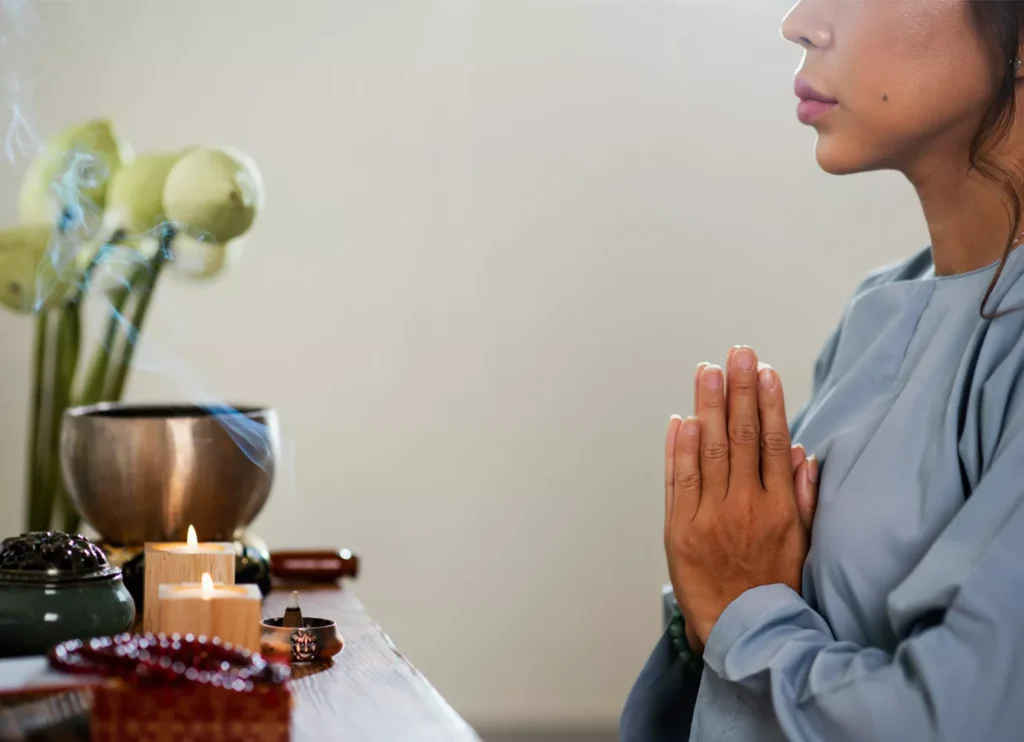
The Wellness Gold Rush: A Workshop on Every Corner
Drive through the streets of Ubud or Canggu, and you’ll see it: a dizzying array of offerings. From “Ancient DNA Activation” to “Tantric Breathwork for Beginners,” the menu of transformative experiences is endless. This boom has undoubtedly created jobs and fueled the local economy, allowing many to make a living from this unique form of spiritual tourism. However, it also raises a critical question: when every other person is an expert, how do you discern depth from delusion?
The Influencer Sage and the Commodification of Calm
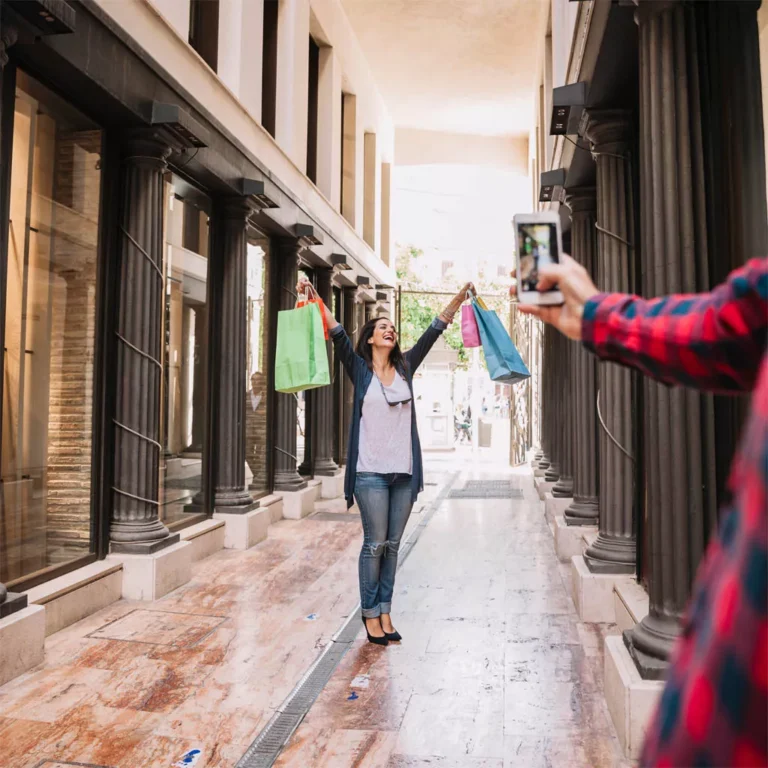
In this new economy, spiritual authority is often built not through decades of study but through a large Instagram following. The “healing journey” itself becomes content—a curated narrative of transformation designed to build a personal brand. This commodification of calm can sometimes prioritize aesthetic perfection over genuine depth, selling the image of peace rather than the challenging, often messy, work of inner growth.
The Local Dilemma: Navigating Two Worlds
For Balinese communities, this presents a complex dilemma. The wellness economy provides vital income, yet it also commodifies elements of their culture and places immense pressure on sacred spaces. Navigating the expectations of tourists seeking an “authentic” Bali spiritual journey, while simultaneously preserving the integrity of their own traditions, is a daily tightrope walk. The real challenge becomes balancing economic survival with cultural preservation.
〰️🌀〰️🌀〰️🌀〰️
6. What the World Can Actually Learn From Bali (Minus the Romanticization) – Bali Spiritual Tourism
So, after stripping away the hype and the commerce, what genuine lessons can a visitor take from a Bali spiritual tourism experience? The answer lies not in adopting its rituals, but in understanding the underlying principles that make them powerful.
The Real “Secret”: Harmony as a Practice
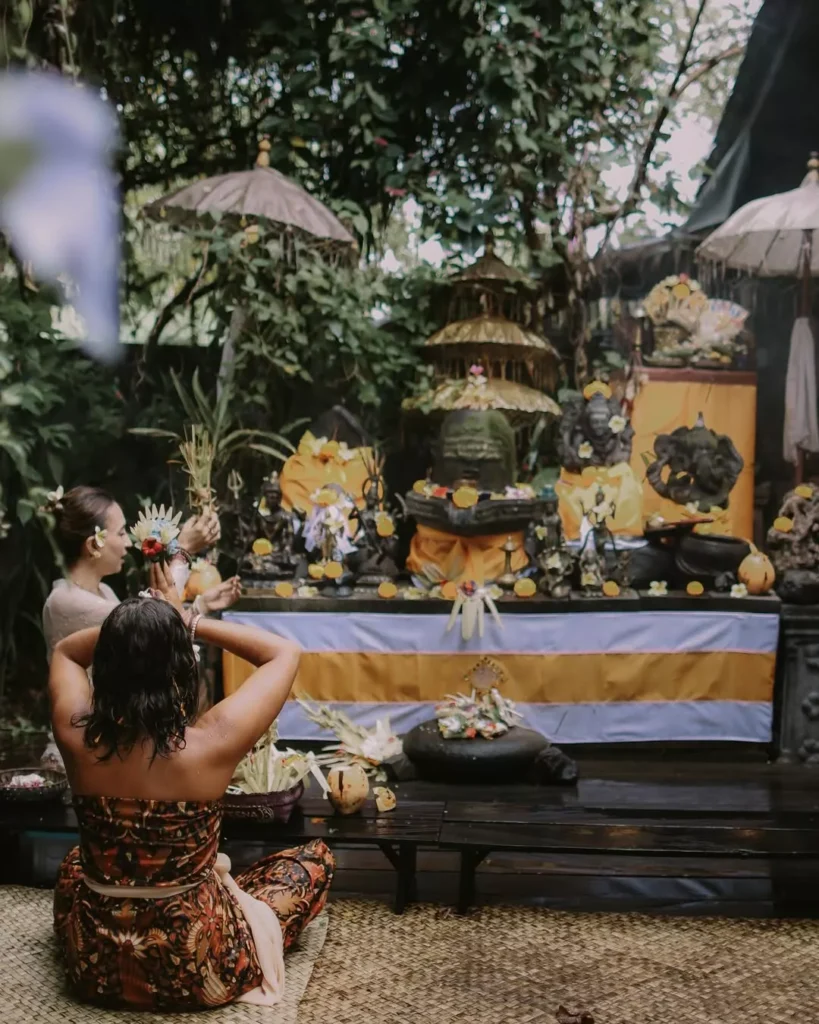
The core lesson of Bali isn’t a secret meditation technique; it’s the active pursuit of harmony, as embodied by Tri Hita Karana. This isn’t an abstract concept. For travelers, it translates to a more conscious way of being: respecting the temple (harmony with the divine), being a considerate guest (harmony with community), and minimizing your plastic use (harmony with nature). This mindful approach is the true foundation of a meaningful Bali spiritual tourism experience.
Shift from Consumption to Contribution

The most profound shift in your Bali spiritual journey comes from moving beyond being a consumer. Instead of just buying services, look for ways to contribute positively to the ecosystem that hosts you.
This could mean participating in a beach clean-up, supporting a local family’s business, or simply learning a few phrases in Balinese. This ethos of reciprocity is what separates a transactional trip from a transformative one.
A Simple Guide to Conscious Connection
To truly honor the spirit of the island, here is a simple framework for your journey:
- DO: Observe and listen. Ask for permission before photographing ceremonies. Support local artisans and family-run warungs. Understand that spiritual growth is a personal process, not a performative act.
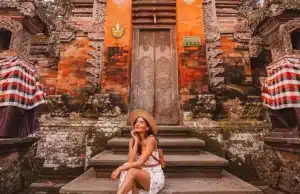
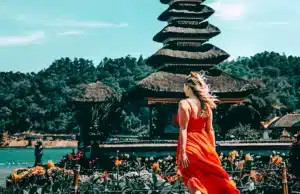
- DON’T: Treat sacred sites as backdrops for your content. Don’t appropriate rituals for social media clout. Avoid assuming that your presence is the main event.
A genuine Bali spiritual tourism experience isn’t about taking a piece of Bali’s magic home with you. It’s about allowing the island’s core values of balance and respect to leave a lasting impression on how you move through the world.
〰️🌀〰️🌀〰️🌀〰️
Less ‘Bali Healed Me’, More Respect and Understanding
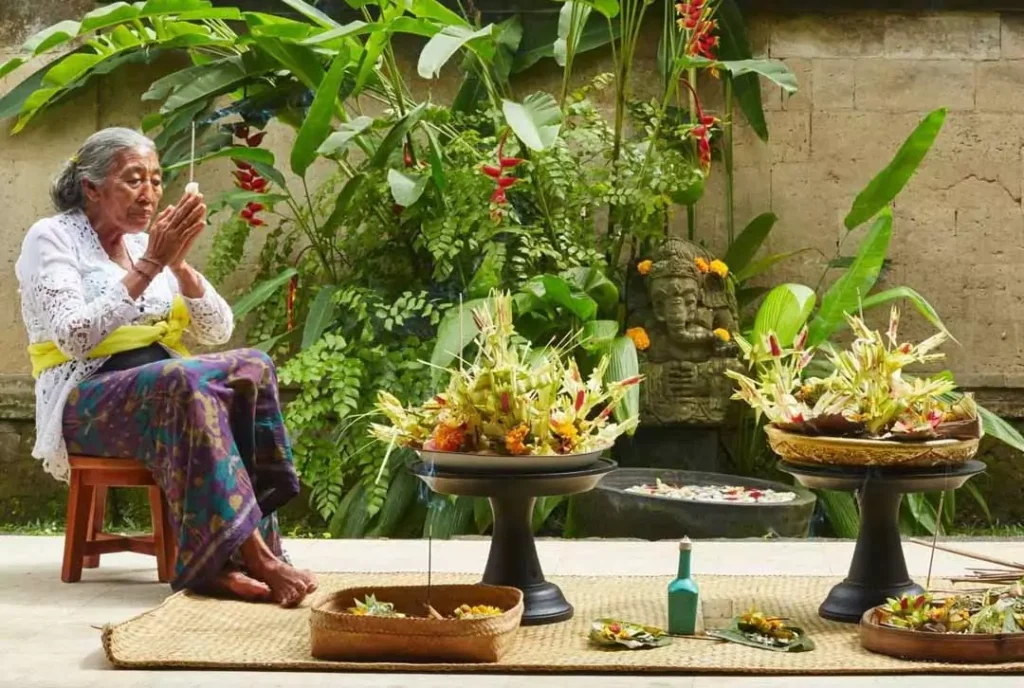
The magnetic pull of Bali is real. The island will, and should, continue to be a sanctuary for those seeking meaning, respite, and a deeper connection. But the narrative needs to mature. It’s time to move beyond the self-congratulatory declaration of “Bali healed me” and towards a more humble and accurate sentiment: “Bali taught me.”
The Deeper Journey
A true Bali spiritual journey offers something far more valuable than instant healing: perspective. It shows us that spirituality can be woven into the fabric of daily life, that community is a form of therapy, and that real growth is a slow, organic process. This is the real transformative travel potential of the island—it changes how you see your place in the world.

Your Role in the Story – Bali Spiritual Journey
As a visitor, you become part of Bali’s ongoing story. You can choose to be a character in the hype—the consumer of a pre-packaged spiritual experience—or you can choose to be a respectful guest, an attentive student of its culture. The future of spiritual tourism in Bali depends on this collective choice.
A Final Thought Bali Spiritual Tourism
So, come to Bali. Come for the healing, the yoga, the stunning sunsets. But seek to leave with more than just a photo album and a Mala bracelet. Seek to leave with a profound respect for the living culture that makes this island unique.
As Giostanovlatto, founder of Hey Bali, aptly puts it: “The greatest takeaway from any Bali spiritual travel shouldn’t be a story of how you found yourself, but a commitment to carrying forward the lessons of harmony, respect, and community long after you’ve returned home.”
That is the true mark of a journey that matters.
This essay reflects the author’s personal observations and critical perspective on Bali’s spiritual tourism landscape. While drawn from extensive lived experience, it represents one viewpoint in a complex conversation – perhaps right, perhaps wrong, but always seeking to bridge understanding between visitors and the living culture that hosts them.
〰️🌀〰️🌀〰️🌀〰️
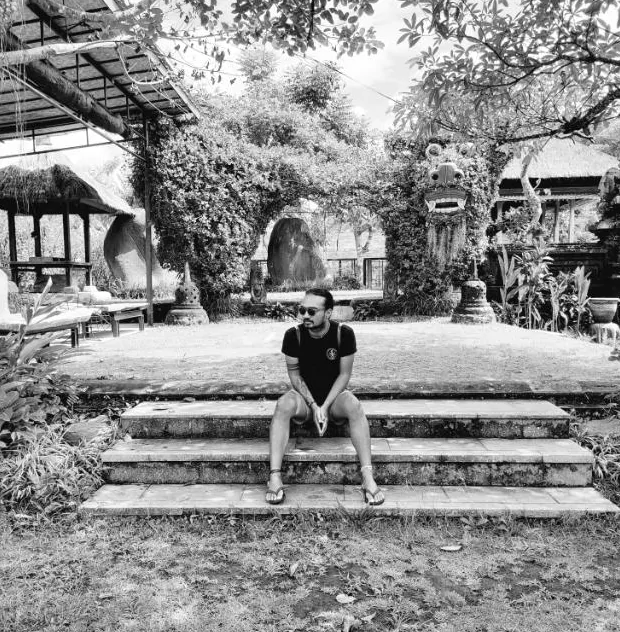
Meet the Author
Giostanovlatto With years of navigating the space between Bali’s deep spiritual roots and its modern “healing industry,” he writes from the frontlines – observing how ancient traditions intersect with Instagram-driven wellness trends. He firmly believes your Bali spiritual journey should start with cold water and a sincere smile, not with a financial negotiation in the arrivals hall.