


































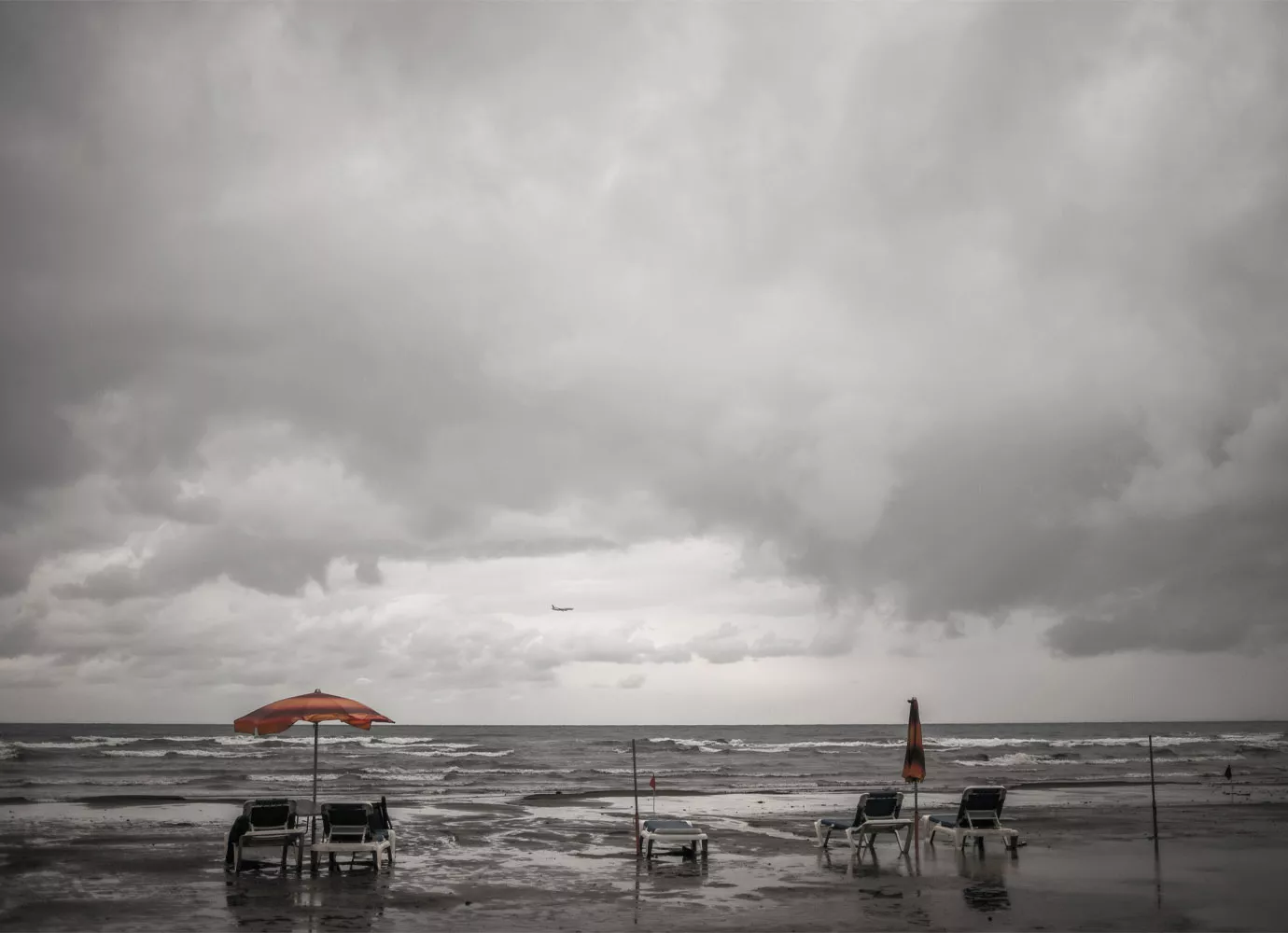
The Bali December Weather Warning 2025 issued by Indonesia’s Meteorology, Climatology and Geophysics Agency (BMKG) is arriving at a crucial moment, just as the island enters its busiest holiday stretch. With Christmas and New Year vacations bringing hundreds of thousands of visitors, Bali is preparing for a period of unusually heavy rainfall that may trigger localized flooding, travel delays and temporary disruptions across the island.
Rainfall Surge Expected During Peak Holiday Weeks
BMKG Chief Teuku Faisal Fathani reports that rainfall across Java, Bali and Nusa Tenggara could reach 300 to 500 millimeters in January, with the buildup starting in the third week of December. The most active period is expected from 28 December to 10 January, a timeframe that coincides directly with the island’s highest visitor traffic.
For Bali, this year’s rainfall pattern is not just about frequent showers. The BMKG’s analysis indicates a higher chance of intense, long-duration rainfall, which can overwhelm drainage systems in Kuta, Seminyak, Denpasar, Ubud and several coastal areas. These conditions raise concerns about sudden flooding, road closures and transport bottlenecks.
How Heavy Rain Could Affect Tourists and Expats
The Bali December Weather Warning 2025 underscores several risks that visitors should keep in mind:
- Flooding in low-lying tourist districts, especially during multi-hour rainfall bursts
- Traffic disruptions on main roads connecting South Bali, Canggu, Ubud and Sanur
- Short-term flight delays at Ngurah Rai Airport during extreme weather clusters
- Reduced visibility and slippery roads, which are major factors in holiday motorbike accidents
- Temporary power or connectivity interruptions, especially in residential areas
While Bali is accustomed to rain during the holiday season, the projected intensity this year is above normal, meaning travelers should plan with more awareness and flexibility.
Marine Conditions: Lower Threat but Still Unpredictable
BMKG does not predict major high waves above 2.5 to 4 meters during December and January. However, moderate waves between 1.25 and 2.5 meters may affect waters around Nusa Penida, Nusa Lembongan, Uluwatu and the southern coastline.
This is still manageable for most marine operators, but travelers planning snorkeling trips, diving or private boat charters should monitor day-to-day maritime updates.
Why December 2025 Requires Extra Attention
The combination of peak tourism, dense traffic and stronger monsoon systems creates a vulnerability that previous holiday seasons did not fully face. Heavy rain does not need to last long to cause urban flooding in parts of Bali. When this happens during high-traffic weeks, the impact becomes more disruptive.
This is why the Bali December Weather Warning 2025 matters not only for safety, but also for trip planning. Even short-term weather anomalies can affect:
- Airport transfers
- Inter-island trips
- Restaurant reservations
- Outdoor events
- Villa check-ins and road access
Practical Advice for Holiday Travelers in Bali
To help visitors and expats navigate the season safely, here are a few simple steps:
- Check BMKG updates daily, especially before taking a motorbike or booking outdoor activities
- Avoid riding scooters at night during heavy rain due to potholes, flooding and low visibility
- Allow extra time for airport and road travel, particularly on 24–26 December and 30–31 December
- Confirm travel routes to your hotel or villa, as some areas may have temporary flooding
- Keep essentials charged, including phones, power banks and hotspot devices
A Sensible Approach to the Holiday Season
Bali remains a welcoming, vibrant destination during Christmas and New Year, and the local tourism sector is experienced in handling wet-season challenges. The goal of the Bali December Weather Warning 2025 is not to alarm visitors, but to encourage informed decisions.
With the right preparation, travelers can still enjoy the holiday atmosphere while staying safe and aware. The coming weeks will test how the island adapts to weather intensity, but Bali’s resilience and community coordination remain strong.















Comments 1