


































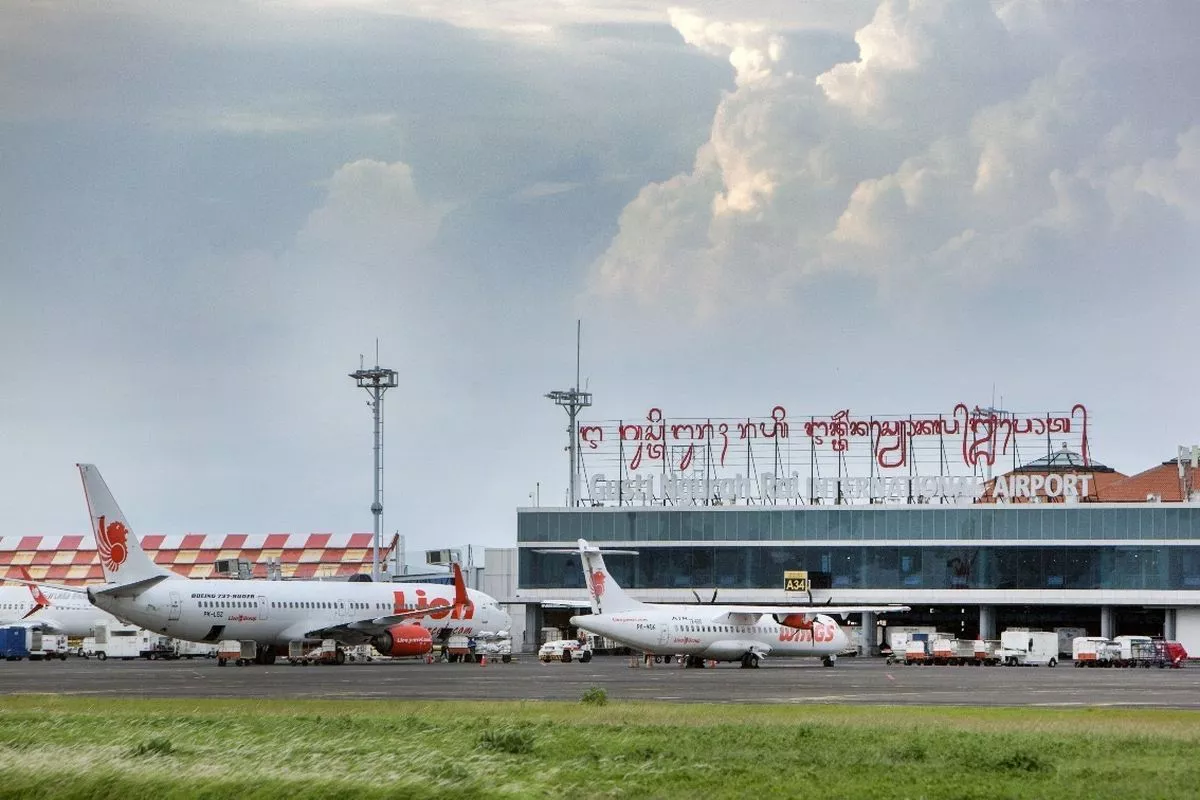
Denpasar, Bali — Bali’s Governor Wayan Koster has directly addressed the widespread social media commentary depicting an unusually quiet island during this year’s peak holiday season, acknowledging a noticeable drop in domestic tourist numbers while highlighting a significant rise in international arrivals.
Following a visit to Ngurah Rai International Airport on Sunday, Governor Koster outlined three primary factors behind the decline in visitors from elsewhere in Indonesia (wisatawan nusantara or wisdom): reduced domestic flight capacity, heavy rainfall, and a shift in holiday preferences toward other destinations.
Key Factors Behind the Domestic Tourism Slowdown
- Reduced Flight Capacity: The governor identified a decrease in the number of domestic flights as the leading cause. He noted that aircraft from major carriers like Garuda Indonesia and Citilink are undergoing maintenance, reducing overall seat availability. Data indicates domestic flights to Bali have decreased from 13 to 11, with routes dropping from 25 to 23 compared to the previous year. “That is one of the factors causing the decline in domestic tourists holidaying in Bali,” Koster stated, explaining that many potential visitors were unable to secure tickets.
- Heavy Rainfall Dampening Activities: The governor conceded that persistent heavy rain over recent days has impacted the tourism experience. “This year’s rainfall is higher than last year, resulting in decreased tourist activity outside hotels,” he said. The wet weather has made visitors less inclined to explore, contributing to a less crowded atmosphere in many tourist spots.
- Shift to Alternative Destinations: Koster also suggested that improved infrastructure elsewhere, particularly toll roads in Java, has made domestic travel to other Indonesian destinations more appealing and convenient for some holidaymakers. “Indeed, many have shifted [their holidays] to other regions,” he observed.
International Tourism Presents a Counter-Narrative
While domestic figures have softened, Governor Koster emphasised that Bali’s core market—international tourism—is demonstrating robust growth. He reported that foreign tourist arrivals have increased by 700,000 compared to the same period in 2024, reaching 6.9 million by December 26. With a daily average of 24,000 international arrivals, the island is on track to welcome over 7 million foreign visitors by year’s end.
“For us in Bali, as a famous international tourist destination, the most important thing is that international tourists coming to Bali have increased,” Koster asserted.
Overall Figures and Accommodation Trends

The governor projected that total tourist arrivals (domestic and international) for 2025 would reach approximately 16.1 million, a slight decrease from 16.4 million in 2024. He also addressed reports of a 4% dip in hotel occupancy, attributing it partly to a growing trend of visitors opting for non-hotel accommodations like villas and guesthouses. “So, if it is said that Bali is quiet, the answer is no,” he concluded.
Supporting the view of sustained activity, airport authorities provided operational data showing a 3.9% increase in average daily passenger movements during the Nataru holiday post period (December 15-27) compared to the January-November 2025 average. Aircraft traffic at Ngurah Rai also rose by 12% during this holiday window.
For Bali’s resident expatriates and global visitors, the governor’s analysis provides official context to the on-the-ground observations. It portrays an island in a period of market recalibration—where a dip in one segment is offset by strength in another—all while navigating the logistical and climatic challenges inherent to operating a world-class destination.