
























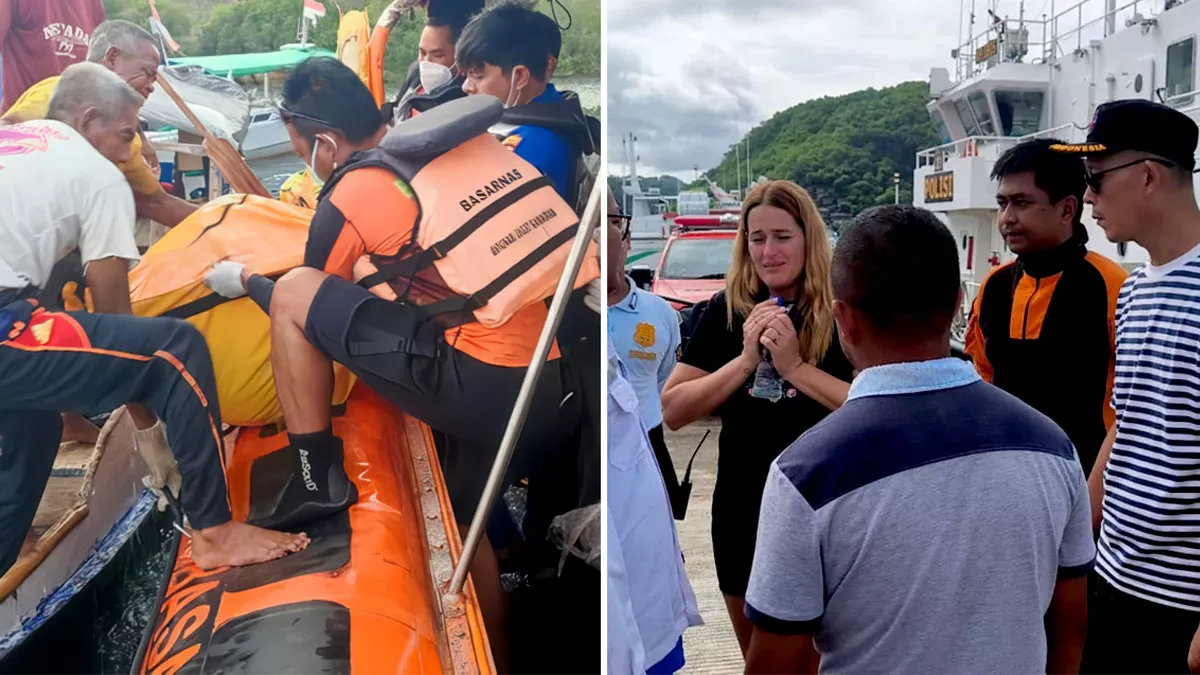
LABUAN BAJO — As search teams continue combing the waters of Komodo National Park for victims of the Putri Sakinah boat disaster, Indonesian authorities have begun an antemortem identification process aimed at accelerating confirmation should additional victims be recovered.
The East Nusa Tenggara Regional Police said the initiative is part of a coordinated humanitarian response following the sinking of the tourist vessel in the Padar Strait, one of Indonesia’s most visited marine corridors. The effort runs parallel to large-scale maritime search operations currently underway in the area.
According to Senior Commissioner Henry Novika Chandra, head of public relations for the East Nusa Tenggara Police, the antemortem examinations were carried out on Sunday as a precautionary but essential step.
“Antemortem data collection is a critical component of disaster victim identification,” Mr. Chandra said in Kupang on Monday. “It involves gathering detailed information about the victims while they were alive, including physical characteristics and biological references, to support scientific identification if remains are found.”
The process is being handled by the medical and forensic unit of the West Manggarai Police, operating from a dedicated antemortem post and a temporary facility at a hotel in Labuan Bajo, the main gateway town to Komodo National Park.
Medical officers conducted in-depth interviews with the surviving family member of those still missing, documenting distinguishing physical features, medical history, and other identifying markers that could later assist forensic teams.
In addition, biological samples, including blood, saliva, and hair, were collected from the victims’ mother to be used as DNA reference material. Police officials said the samples would be securely stored and analyzed only if required, following established forensic protocols.
“These samples are prepared solely as comparative material should DNA testing become necessary,” Mr. Chandra said.
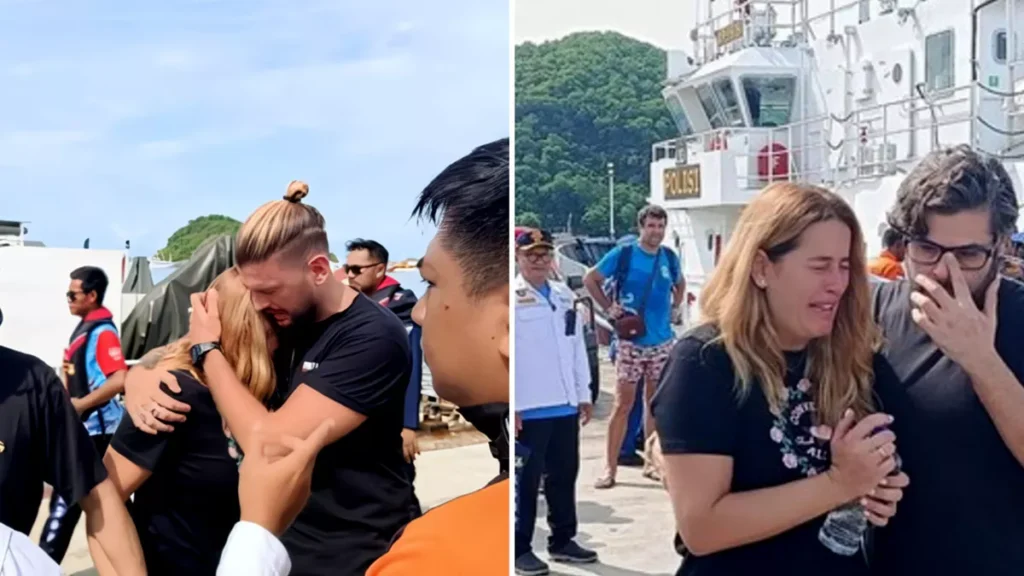
The antemortem process reflects international standards commonly used in mass casualty incidents, particularly those involving foreign nationals. Several of the missing victims are Spanish citizens, a factor that has drawn diplomatic attention and heightened the importance of precise and transparent identification procedures.
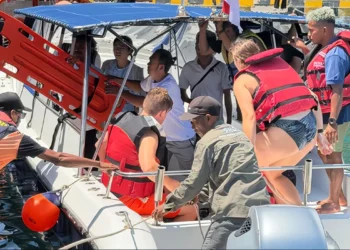
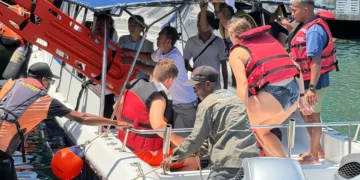
The Putri Sakinah sank late Friday evening while navigating rough seas in the Padar Strait, a channel known for unpredictable currents and sudden weather changes. Since then, joint search teams involving Basarnas, police units, and local maritime authorities have been working under challenging conditions to locate those still unaccounted for.
Officials emphasized that the antemortem effort does not signal an end to rescue operations but rather ensures readiness as the search continues.
“Our priority remains finding the missing,” Mr. Chandra said. “At the same time, we must be prepared to provide certainty and dignity to families, whatever the outcome.”
As operations continue in the waters of Komodo, the tragedy has underscored both the risks of marine tourism in remote regions and the critical role of forensic preparedness in responding to human loss at sea.