






















LABUAN BAJO, Indonesia — The discovery that would bring a painful answer to a waiting world began with a familiar, gruesome scent. On Tuesday afternoon, amid the timeless rhythm of the Komodo seas, two local fishermen found more than just a piece of wreckage; they encountered the unmistakable odour of death, leading them to the final resting place of a young boy from Spain.
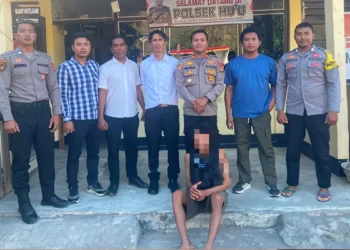
The official chronology, as detailed by West Nusa Tenggara Police spokesperson Kombes Pol Henry Novika Chandra, reveals a story that starts not with sophisticated sonar, but with local intuition. Around 1:00 PM local time on January 6, fishermen Saiful and Hadi Kusuma found a section of a hull, suspected to be from the sunken KM Putri Sakinah, adrift in the water.
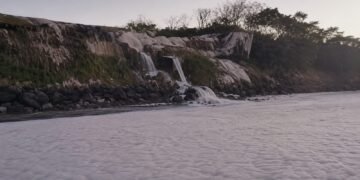
Sensing the gravity of their find, they enlisted other fishermen in the area. Together, they towed the wreckage to the shore of Pede Beach on Komodo Island. It was there, on the sand, that the air turned foul.
“Upon arrival on the beach, a pungent smell was detected, so the wreckage was opened, and one body was found inside,” stated Henry in a written release on Wednesday. “After the discovery, the fishermen immediately contacted the joint SAR team for evacuation.”
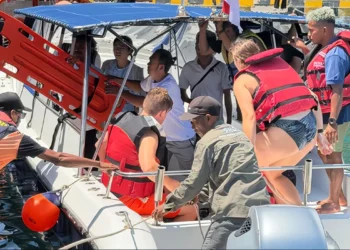
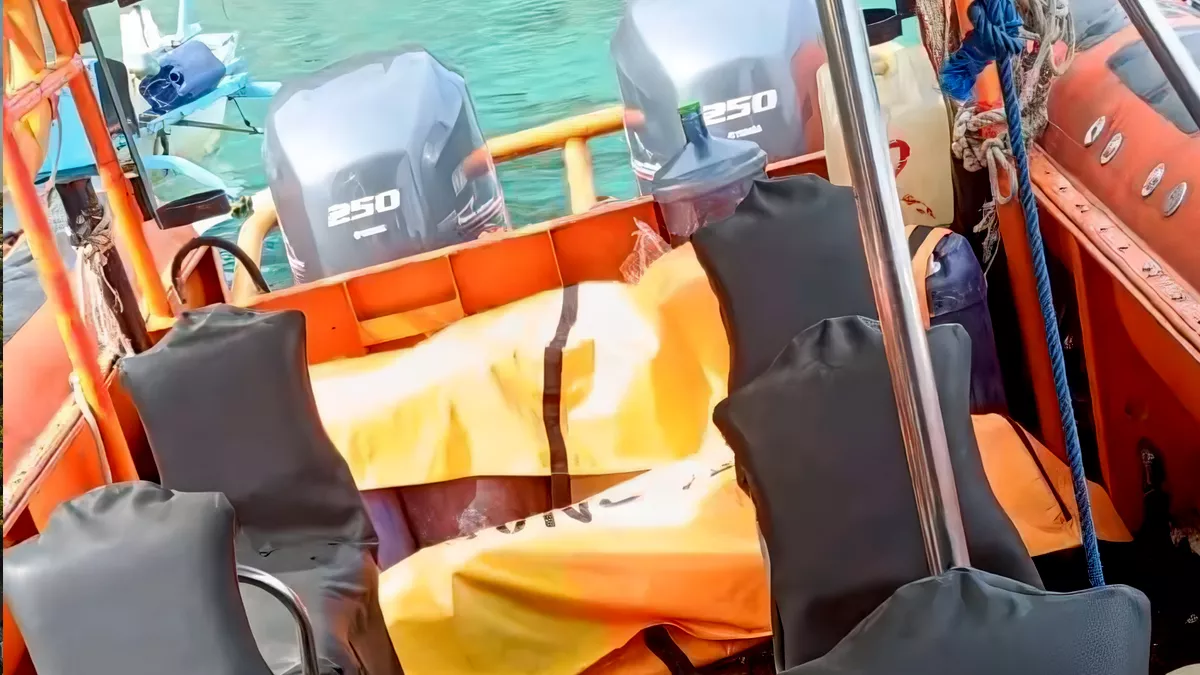
This urgent call from the shoreline set the formal machinery of recovery in motion. By 2:00 PM, a joint SAR contingent departed from Padar Island waters towards the location using a fleet of Rigid Inflatable Boats (RIBs) and the Basarnas vessel KN Puntadewa. They arrived at 2:30 PM to find the victim’s body, already respectfully placed in a bag by the fishermen, awaiting transfer.
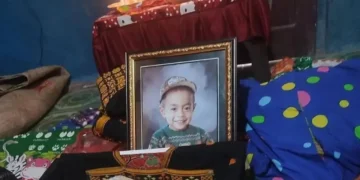
The sombre voyage back to Labuan Bajo began at 4:40 PM, with the remains arriving at Marina Labuan Bajo by 6:10 PM. From the dock, the body was taken directly to Komodo Labuan Bajo General Hospital for forensic identification, which would later confirm it was the 10-year-old son of Valencia CF coach Martin Carreras Fernando.
In a poignant footnote to the operational details, Henry added that the police were honouring the bereaved family’s request for the utmost privacy. “The West Nusa Tenggara Police respect the request of the victim’s family that the body not be displayed to the public, either in documentation or news coverage, as a form of respect for privacy and human dignity,” he said.
This chronological account underscores a recurring theme in this tragedy: the indispensable role of the local community.
The fishermen’s knowledge of the currents, their decisive action to tow the wreck, and their grim perseverance in following the scent of decay were the crucial first steps in a chain that concluded with a formal identification.
Theirs was a raw, human intervention in a search that has involved drones, dive teams, and international attention.
As the search continues for the one remaining missing child, the story of this recovery serves as a raw reminder. In the vastness of the Komodo National Park, answers are sometimes found not by technology scanning from above, but by men on the water, guided by a scent on the wind that tells of a life lost and a family’s anguish brought, finally, to shore.
— Hey Bali (@Heybaliinfo) January 6, 2026
#heybalinews