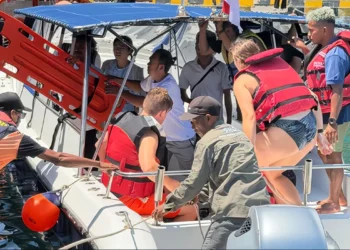


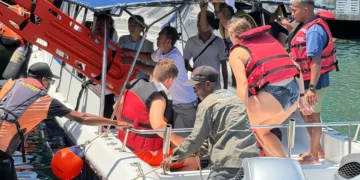
































In a direct response to the Komodo National Park tragedy, port authorities impose a nighttime sailing prohibition to reduce risk, as the search for the final missing child concludes.
LABUAN BAJO, Indonesia — In a decisive move to improve maritime safety, the port authority in Labuan Bajo has instituted a ban on all tourist vessel sailing during nighttime hours. The new regulation, announced Friday, January 9, 2026, requires boats operating in Komodo National Park waters to anchor after dark.
The policy is a clear and direct institutional response to the sinking of the KM Putri Sakinah, which capsized during a night voyage on December 26, 2025, claiming the lives of Spanish football coach Martin Carreras Fernando and two of his children, with a third son still missing.
A Rule Forged from Tragedy
Stephanus Risdiyanto, Head of the Class III Harbormaster and Port Authority (KSOP) in Labuan Bajo, stated the ban is designed to mitigate risk and align with long-identified danger zones. “Ship captains are prohibited from sailing at night, especially in the 10 emergency locations we have identified and announced since 2023,” Stephanus said.
He emphasized the severe limitations of emergency response after sunset. “If visibility is limited, then anticipating an emergency will be hampered,” he explained, noting that nighttime incidents drastically complicate search, rescue, and evacuation efforts for response teams.
The official acknowledged the policy is, in part, a measure to prevent a recurrence of a disaster like the Putri Sakinah sinking.
“Every emergency incident or accident on a ship, KSOP together with related elements such as the TNI, Polri, and stakeholders evaluate what caused it, what the potential problems are, so that things that might help save [lives can be implemented],” he stated.
Navigating the New Normal for Komodo Tourism
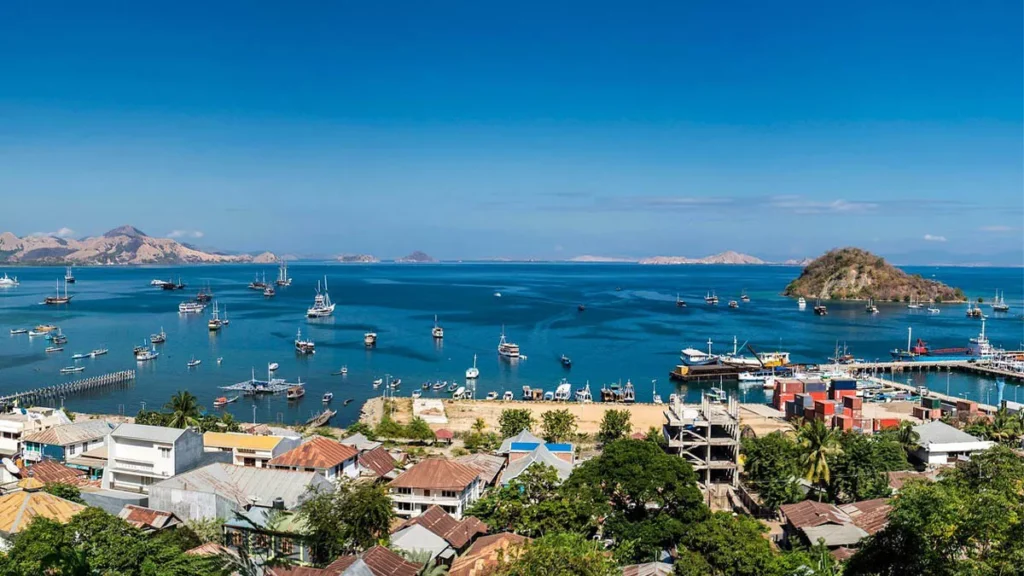
The ban fundamentally alters the logistics of liveaboard and diving trips in the Komodo region, where some itineraries previously included transit between islands after dark. Operators must now plan schedules that ensure arrival at safe anchorage points well before nightfall.
The announcement comes on the final scheduled day of the official search and rescue operation for Fernando’s missing son. The protracted search, hampered by strong currents and poor weather, has underscored the extreme challenges of maritime emergencies in this region, even during daylight hours.
Between Safety and Operational Reality
For the global tourism industry connected to Labuan Bajo—including dive operators, tour agencies, and international travelers planning liveaboard trips—the new rule provides a clearer, albeit more restrictive, safety framework. It represents a tangible, if reactive, step by authorities to assert control over operational risks.
However, the ban also raises underlying questions about why such a policy was not enforced more rigorously prior to a fatal tragedy, given that the ten high-risk zones were reportedly identified years ago. It highlights the ongoing tension between commercial pressures in a booming tourism destination and the imperative of preventative regulation.
As Labuan Bajo’s tourism fleet resumes operations in the wake of a two-week suspension, it does so under a new set of rules shaped by recent loss. The nighttime sailing ban is a somber addition to the standard safety checklist, a permanent reminder written into policy of the high stakes of maritime travel in one of the world’s most beautiful, but demanding, marine parks.