













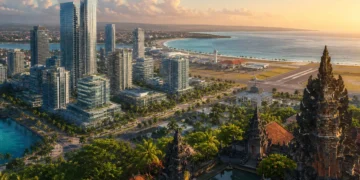





















With access to the famed Komodo National Park suspended due to severe weather, the gateway town of Labuan Bajo reveals a quieter, terrestrial side, inviting travelers to discover its caves, cultural villages, and panoramic peaks.
LABUAN BAJO, Indonesia — For over a month, the aquamarine waters surrounding Labuan Bajo have been devoid of tourist boats, their voyages to see the legendary Komodo dragons halted by official maritime closures. Yet, while the sea remains off-limits, the land tells a different story. Far from being a dormant transit hub, this Flores gateway is showcasing a resilient and diverse array of inland attractions, offering a compelling reason for travelers to linger and explore beyond the pier.
“The closure has shifted the focus, but it hasn’t dimmed the light on Labuan Bajo’s other offerings,” according to a report from detikBali, which highlighted how community and government-managed sites remain accessible. These terrestrial destinations provide a distinct, culturally rich counterpoint to the marine-focused itinerary that typically defines a visit to this part of East Nusa Tenggara.

A Journey into Light and Stone: Mirror Rock Cave
A mere seven-minute drive from Komodo Airport lies one of the region’s geological wonders: Mirror Rock Cave (Goa Batu Cermin). This tunnel-like cavern, set within a 75-meter-high limestone hill, transforms sunlight into a spectacle. Beams piercing through fissures in the rock wall reflect off other surfaces, creating the illusion of shimmering mirrors and making the cave’s stalactites and stalagmites glisten. Venturing into its darker recesses with a flashlight reveals an otherworldly landscape, offering an adventure that contrasts sharply with the open seas.
Vistas and Vantage Points: Waringin Peak
For those craving panoramic views without a boat deck, Waringin Peak provides the perfect perch. Located just five minutes from the airport, this elevated lookout is a favored sunset spot. From here, visitors can gaze across the vast Labuan Bajo bay, now dotted with the unmasted silhouettes of traditional pinisi schooners waiting at anchor—a silent but powerful reminder of the ongoing maritime hiatus, framed within a breathtaking vista.
Culture and Cultivation: Inland Escapes
Further afield, the journey into Manggarai’s heartland begins. The Ngalor Kalo agrotourism site, about 90 minutes from town, showcases the expansive, emerald-green rice fields of the Lembor valley, presenting a serene, agricultural panorama far removed from coastal concerns.
More profoundly, the closure creates an opportunity to engage more deeply with local culture. Traditional villages like Kampung Melo and Kampung Cecer welcome visitors to witness living heritage. Here, the dynamic, whip-cracking Caci martial dance and the rhythmic, bamboo-clapping game of Rangkuk Alu are not mere performances but vibrant expressions of Manggarai identity, offering an authentic connection often rushed past on the way to a liveaboard departure.
A Silver Lining and a Sustainable Perspective
For the global traveler with disrupted plans, these land-based options are more than just consolation prizes. They represent a chance to experience a more holistic version of Flores, one that balances natural wonder with human culture. The temporary shift away from mass marine tourism also offers a moment of respite for the local terrestrial ecosystems and allows cultural tourism, a vital economic pillar for inland communities, to take center stage.
While the Komodo dragons await their next audience in solitude, Labuan Bajo demonstrates that its allure is not singular. It invites a slower, more contemplative exploration—proving that sometimes, the most rewarding journeys are found not by sailing into the horizon,