













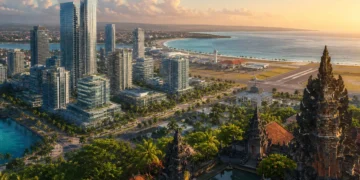



















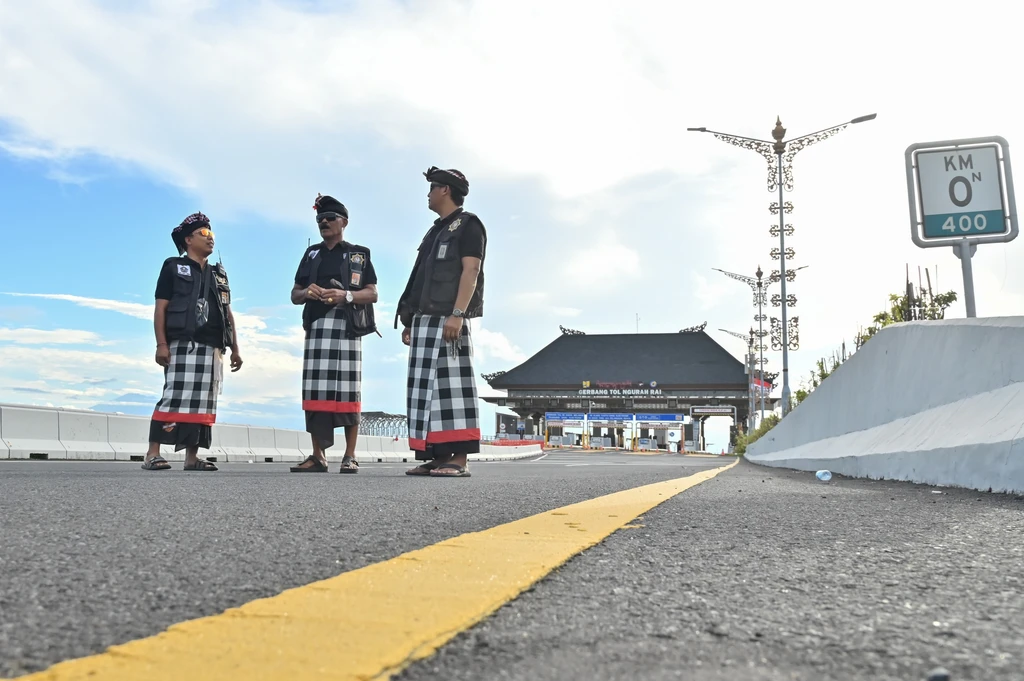
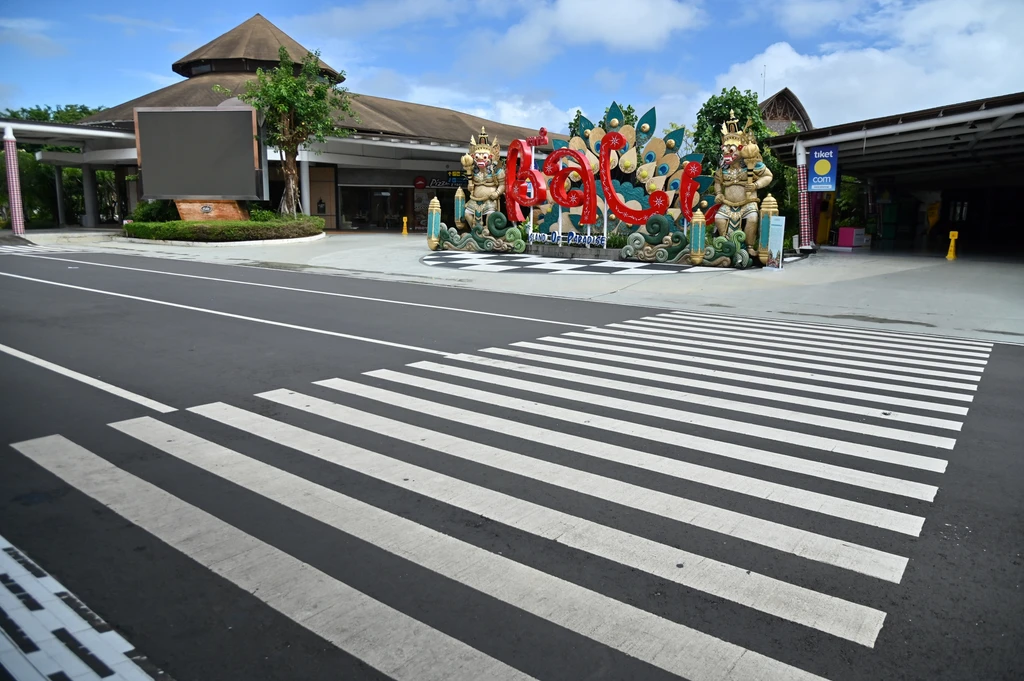
BALI, Indonesia — At 6 a.m. on a Thursday in March, the international airport that normally connects this island to the world will go quiet. Not a single plane will take off or land for the next 24 hours. More than 400 flights, carrying tens of thousands of passengers, will be grounded or rerouted.
The runways at Ngurah Rai International Airport will be empty. So will the streets outside. Along the coast in Kuta, Seminyak, and Sanur, the bars and nightclubs that pump music until dawn will be dark. Across the island of 4.3 million people, no one will be at work. No one will be on the roads.
This is Nyepi, the Balinese Day of Silence—and it is how this predominantly Hindu island celebrates its new year.
On March 19, 2026, Bali will observe Nyepi, marking the transition to Saka New Year 1948. Unlike New Year celebrations elsewhere, marked by fireworks and champagne, this one unfolds through stillness. For 24 hours, the island’s Hindu majority will observe Catur Brata Penyepian—four prohibitions that structure the day: no fire or light, no work, no travel, and no entertainment.
What the Silence Means
In Balinese Hindu cosmology, Nyepi is a moment of recalibration. The day is dedicated to tapa yadnya, a practice of deep self-reflection aimed at restoring balance between Bhuana Agung—the macrocosm, or universe—and Bhuana Alit, the individual human being.
After a year of worldly pursuits, the faithful pause to evaluate their actions and intentions. The silence is not an absence but a container for contemplation.
Local tradition also offers a mythological frame. It is believed that on this day, Bhuta Kala—malevolent spirits representing negative forces—descend upon the earth. By making the island appear dark and uninhabited, these spirits are tricked into passing it by.
From Procession to Stillness
The journey toward absolute quiet begins with its opposite. In the days before Nyepi, Balinese Hindus gather at beaches for Melasti, a purification ritual. They carry sacred objects to the sea, which in Hindu tradition is the source of tirta amerta—holy water that cleanses impurities.
The most visible pre-Nyepi event takes place on the eve of the holiday, during Pengerupukan. Across the island, villages come alive with torchlight processions. Young men carry massive effigies called Ogoh-ogoh, which symbolize negative human traits—anger, greed, ignorance. Accompanied by gamelan orchestras, each effigy is spun three times at crossroads to expel evil spirits before being burned.
The ritual represents the destruction of base instincts. Then, at dawn, silence descends.
The Four Prohibitions
During Nyepi, observers follow four rules:
- Amati Geni: No fire or light. This extends beyond electricity to include the “fires” of anger and desire.
- Amati Karya: No work. Physical labor gives way to meditation and prayer.
- Amati Lelungan: No travel. Families remain inside their homes.
- Amati Lelanguan: No entertainment. Music, conversation, and recreation are set aside.
Some devotees go further, observing upawasa (fasting), mona (silence), and jagra (vigil).
When Everyone Observes
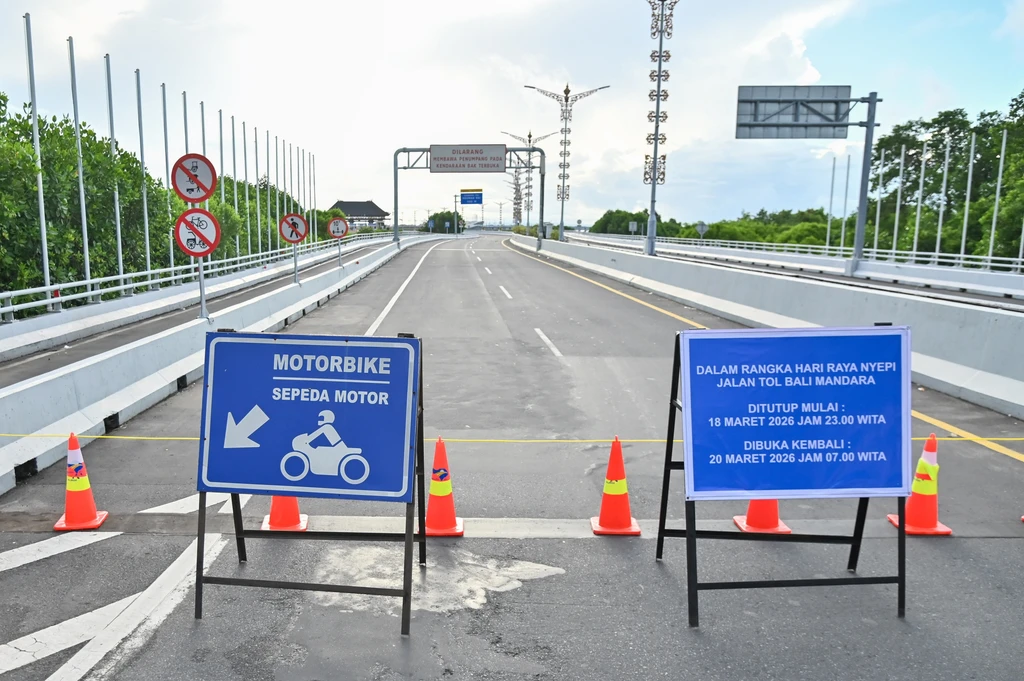
The regulations apply to everyone on the island. Visitors and non-Hindu residents are also expected to remain indoors, with lights contained. Hotels prepare with blackout curtains and in-room amenities.
The shutdown is comprehensive. Ngurah Rai Airport, which handled more than 20 million passengers in 2024, ceases operations entirely. The airport authority coordinates with airlines weeks in advance to adjust schedules. “It’s a complex operation,” said a spokesperson for Angkasa Pura I, the state airport operator, in a previous statement. “But it’s part of our commitment to respecting local culture.”
For many tourists, the experience is novel. “At first I didn’t understand why everything had to close,” said Sarah Thompson, an Australian visitor who experienced Nyepi in 2024. “But by the end of the day, I realized how rarely I actually sit still. It felt necessary.”
Negotiating Space for Other Faiths
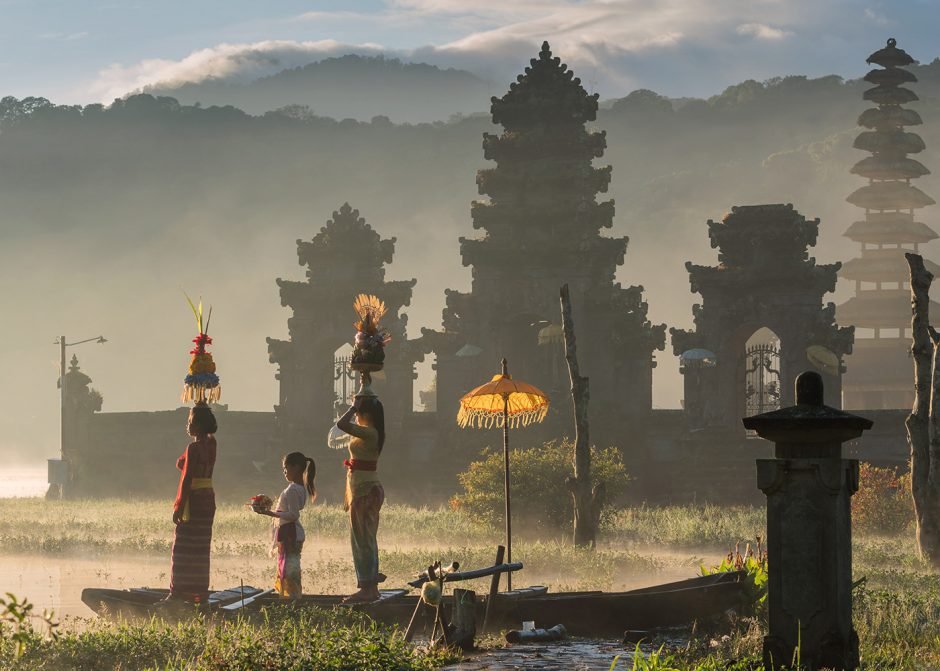
When Nyepi coincides with other religious observances, Balinese authorities and community leaders negotiate accommodations. In years when it has fallen during Ramadan, Muslim residents have been permitted to walk to mosques for dawn and night prayers—on foot, without vehicle lights, and without external loudspeakers.
The arrangements are handled quietly by the Forum for Religious Harmony (FKUB) and traditional village leaders. “We discuss, we find solutions,” said a FKUB member during a 2023 interfaith meeting. “The goal is always the same: to maintain the sanctity of Nyepi while ensuring others can practice their faith.”
The Morning After
At dawn the following day, on Ngembak Geni, Bali reawakens. Families visit one another for Dharma Shanti, exchanging forgiveness and good wishes for the year ahead. Streets fill, markets reopen, and the island resumes its rhythm.
The experience leaves a residue. After a day of enforced stillness, there is often a perceptible shift—a collective sense of having paused together.
In a world that rarely stops, Nyepi offers a rare pause. For one day, Bali chooses silence. And that silence, participants say, is not empty. It is full.