


































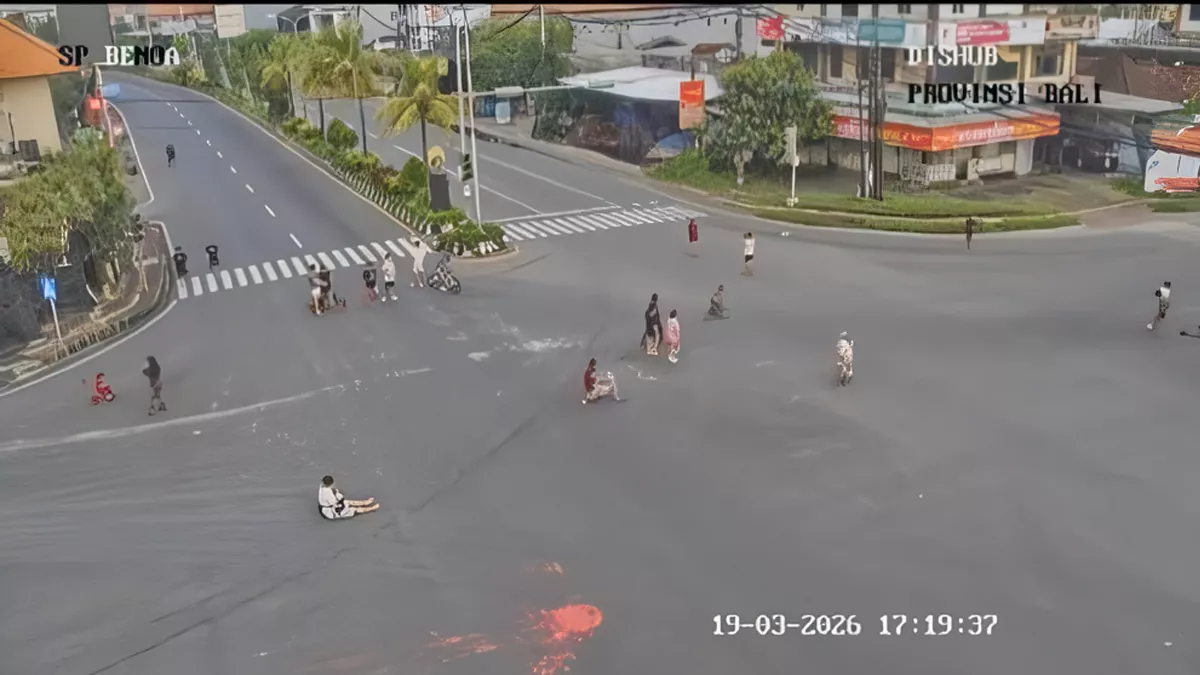
DENPASAR, Bali — A traffic surveillance camera operated by Bali’s Transportation Agency captured an unusual sight on Thursday afternoon: individuals walking along a road in South Denpasar during Nyepi, the island’s annual Day of Silence when all outdoor activity is strictly prohibited.
The image, recorded at approximately 5:19 PM local time at the Simpang Pesanggaran intersection in the Pedungan area, shows figures moving through an otherwise empty streetscape—a violation of the sacred holiday’s core principle that requires everyone on the island to remain indoors for 24 hours.
A Bali Transportation Agency official confirmed the authenticity of the recording, noting that the image was captured automatically by the agency’s Area Traffic Control System (ATCS) cameras.
“It was an automatic CCTV capture because ATCS control room personnel were off duty during Nyepi, so there was no staff available to communicate with the local traditional village,” the official said.
A Pattern of Violations
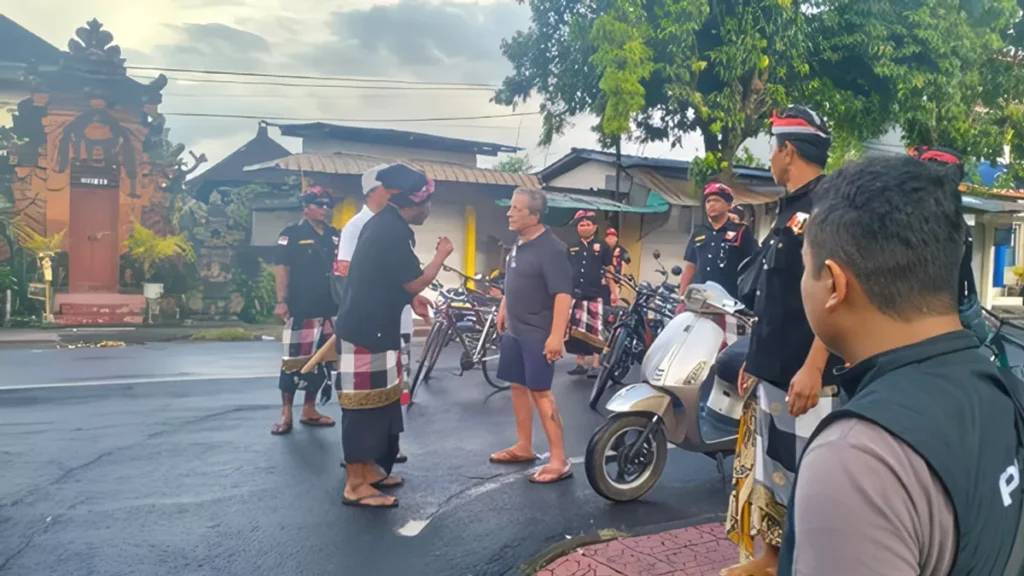
The incident follows a similar case earlier in the day involving a foreign national. Karl Adolf Amrhein, a 57-year-old American tourist, was detained by traditional security guards (pecalang) in Sukawati, Gianyar, after being spotted walking along the main road at around 7:15 AM. Amrhein told authorities he was searching for a new hotel after his stay expired—an explanation that highlighted the practical challenges some visitors face during the island’s total shutdown.
In the Denpasar case, authorities noted that a traditional community hall (balai banjar) is located near the intersection, though it remains unclear whether pecalang were stationed in the area at the time of the incident.
Enforcement and Education
The Transportation Agency official emphasized that the response to such violations should prioritize education over confrontation.
“All parties are urged to prioritize education and mutual reminders without carrying out acts of persecution against any party,” the official said.
This approach reflects broader thinking among Bali’s authorities about how to handle Nyepi infractions. While the rules are absolute—no travel, no lights, no outdoor activity—enforcement relies heavily on community-based traditional systems rather than punitive state action.
Why Nyepi Rules Matter
For those unfamiliar with Bali’s unique holiday, the restrictions can seem extreme. Airports close. Emergency vehicles are the only exceptions to the traffic ban. Even lights are expected to be dimmed or covered.
The purpose is spiritual: Nyepi marks the Balinese Hindu New Year and is observed as a day of complete stillness to convince evil spirits that the island is uninhabited, thereby passing it by.
For visitors, the message is consistently communicated through hotels, travel advisories, and airport announcements. Yet each year, a small number of violations occur—some due to necessity, others due to misunderstanding or disregard.
A Reminder for Future Visitors
The CCTV image from Pesanggaran serves as a visual reminder that compliance is expected from everyone on the island, regardless of nationality or familiarity with local customs.
With hundreds of thousands of foreign visitors now residing in or traveling through Bali, the challenge of maintaining Nyepi’s sanctity grows more complex each year. Traditional village systems, developed over centuries to govern homogeneous communities, now operate alongside international tourists and expatriates who may not fully grasp the holiday’s significance.
For Bali’s authorities, the path forward appears to be one of patient education rather than aggressive enforcement—a characteristically Balinese approach to a modern challenge.
As the Transportation Agency official put it, the goal is mutual reminders, not persecution. Whether captured by CCTV or witnessed by pecalang on patrol, the hope is that next Nyepi, fewer will find themselves on the wrong side of the island’s sacred silence.