



























BALI, Indonesia — A proposal by a Belgian bishop to consider ordaining married men has reignited one of the Catholic Church’s most enduring debates: whether priestly celibacy still holds in a changing global Church.
But far from the corridors of Vatican City, the conversation is being interpreted in markedly different ways.
In Bali, where Catholicism exists as a minority faith within Indonesia’s diverse religious landscape, the discussion has prompted not excitement over reform, but concern over how the issue is being portrayed.
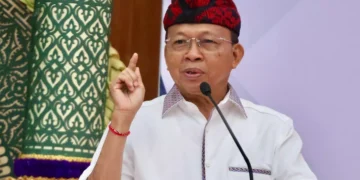
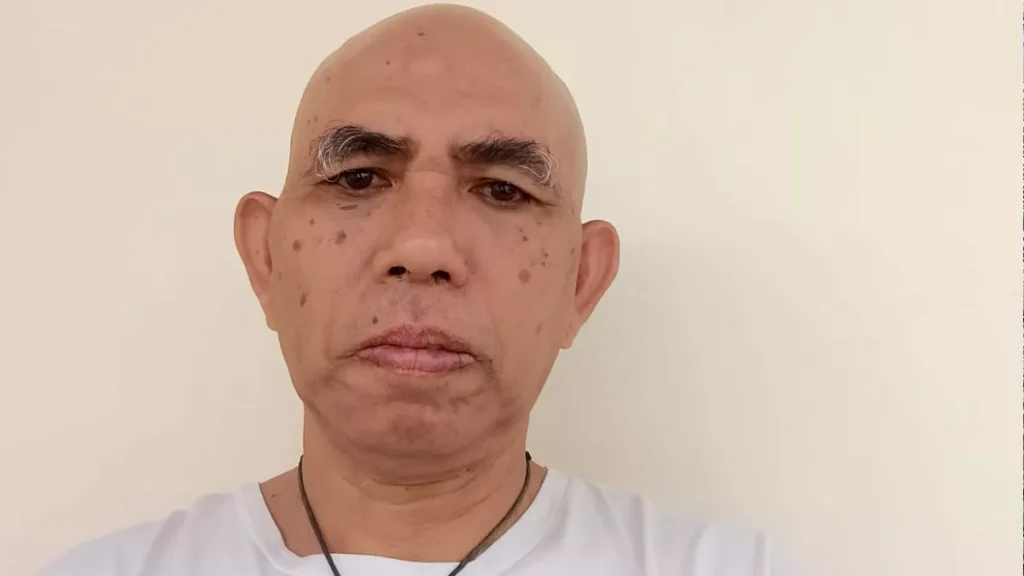
Arnoldus Dhae, a Catholic activist based on the island, said the problem begins not with the proposal itself, but with how it has been reported.
“The terminology alone is already misleading,” he said, referring to coverage that used the word “pastor” in ways that do not reflect Catholic usage. “In the Catholic Church, the correct term is ‘priest’—someone who has received holy orders.”
For Dhae, the issue is not merely linguistic. It reflects a broader gap between internal Church discussions and how they are presented to a global audience.
A Proposal That Rekindled an Old Debate
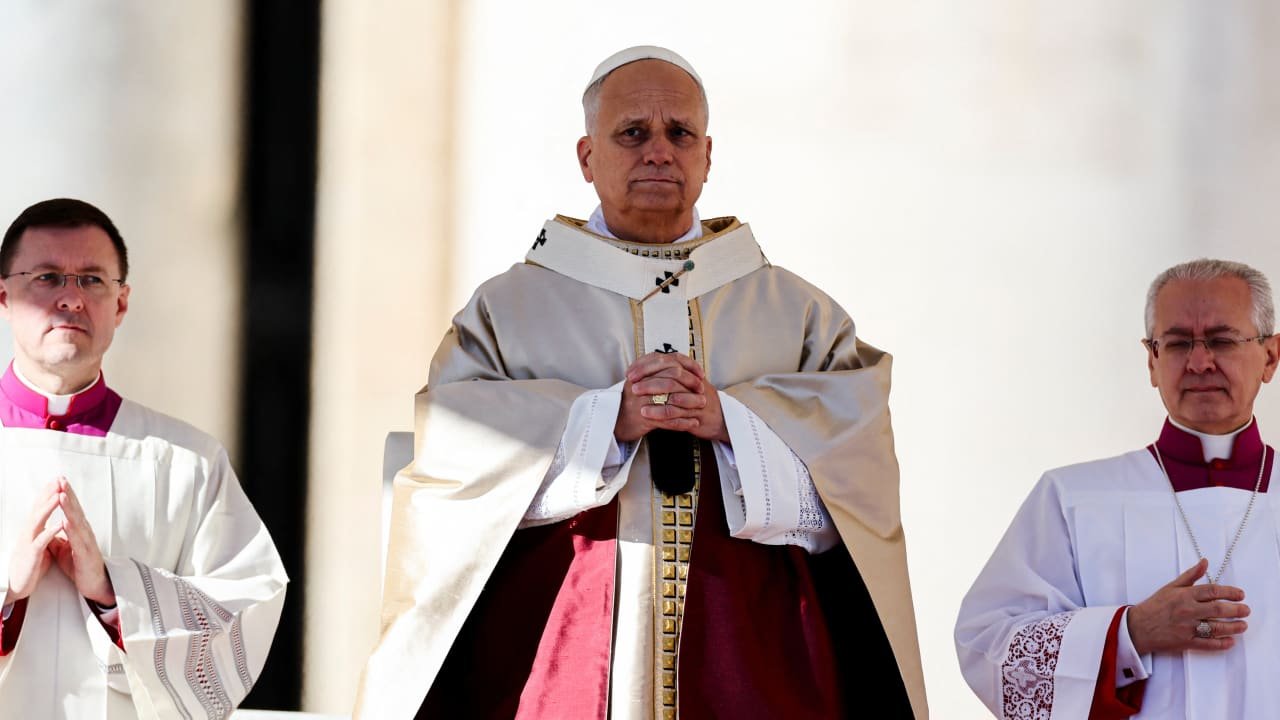
The renewed attention follows an open letter by Johan Bonny, the Bishop of Antwerp, who suggested exploring whether married men could be ordained as priests. He framed the idea as a pastoral response to declining numbers of clergy in parts of Europe, where some parishes struggle to maintain regular sacramental life.
The proposal has been widely interpreted as a potential test for Pope Leo XIV, particularly on whether the Church might reconsider one of its most recognizable disciplines.
For centuries, the Latin Church has required priests to remain celibate, a practice understood as a sign of undivided commitment to spiritual service. While celibacy is not a formal doctrine—meaning it could, in theory, be changed—it has been consistently upheld by Church leadership, including under Pope Francis, who resisted calls for reform during his papacy.
What Is Being Debated—and What Is Not
Yet Dhae argues that much of the public conversation risks oversimplifying the issue.
In many parts of the Church, he said, discussions are not centered on redefining the priesthood itself, but on expanding the roles of laypeople in pastoral settings, particularly in areas with limited clergy.
“These are not ordained priests in the sacramental sense,” he said. “They would not celebrate the Eucharist or hear confessions.”
Such roles already exist in various forms, including lay pastoral workers and permanent deacons—figures who assist in the life of the Church but do not perform its central sacramental functions.
The distinction, while clear within Church structures, can blur in broader media narratives.
A Global Church, Uneven Realities
The perception of a universal “priest shortage,” Dhae added, also requires context.
“What is often described as a crisis is, in many ways, regional,” he said. “There was a time when Europe sent missionaries to Asia. Today, priests from countries like Indonesia serve in Europe. The movement has reversed.”
Indeed, while vocations have declined in parts of Western Europe, Catholic communities in Africa and Asia have continued to grow, reshaping the global balance of the Church.
This uneven reality complicates calls for structural change. What may appear urgent in one region does not necessarily reflect the experience of the Church as a whole.
Tradition, Flexibility, and the Limits of Change
The question of married priests is not entirely without precedent. In Eastern Catholic Churches—autonomous communities in full communion with Rome—married men may be ordained, though they may not marry after ordination.
Whether such practices could be extended more broadly within the Latin Church remains uncertain.
Dhae is skeptical of rapid change.
“The Church does not move in reaction to pressure alone,” he said. “These are traditions that have been maintained for centuries.”
His view reflects a wider institutional caution: that changes affecting the priesthood touch not only administrative practice, but theological identity.
Beyond the Headlines
What emerges from the debate is less a clear path toward reform than a reminder of the Church’s complexity—its layered traditions, global diversity, and the tension between continuity and adaptation.
What may be framed internationally as a push for change can, from within, appear as a conversation still unfolding, shaped as much by interpretation as by intention.
In Bali, Dhae’s concern is ultimately about clarity.
Before asking whether the Church will change, he suggested, it is worth asking a more basic question: whether the debate itself is being understood as it is meant.