


































BALI — As global tourism destinations grapple with overcrowding, environmental strain and changing traveler expectations, Bali is turning to a different model of tourism growth: smaller-scale, experience-driven events rooted in local culture and sustainability.
That shift is becoming increasingly visible in the island’s emerging sport tourism sector, with tourism stakeholders preparing to launch Bali Tourism Run 2026 in the UNESCO-recognized landscape of Jatiluwih Rice Terraces on June 21, 2026.
Organized by the Bali chapter of the Association of Indonesian Tours and Travel Agencies (ASITA), the 5-kilometer running event is being positioned not simply as a race, but as part of a broader effort to redefine how visitors experience Bali beyond its crowded beach hubs and mass tourism corridors.
For international travelers, the event offers something increasingly rare on the island: controlled visitor numbers, direct engagement with local communities, and access to one of Bali’s most culturally significant landscapes without the scale of a major commercial marathon.
Jatiluwih, located in Bali’s central highlands, is internationally known for its centuries-old subak irrigation system and sweeping rice terraces that form part of UNESCO’s World Cultural Landscape designation. But organizers say the event is also intended to reinforce confidence in the destination amid ongoing debates surrounding land use, overtourism and environmental pressure across Bali.
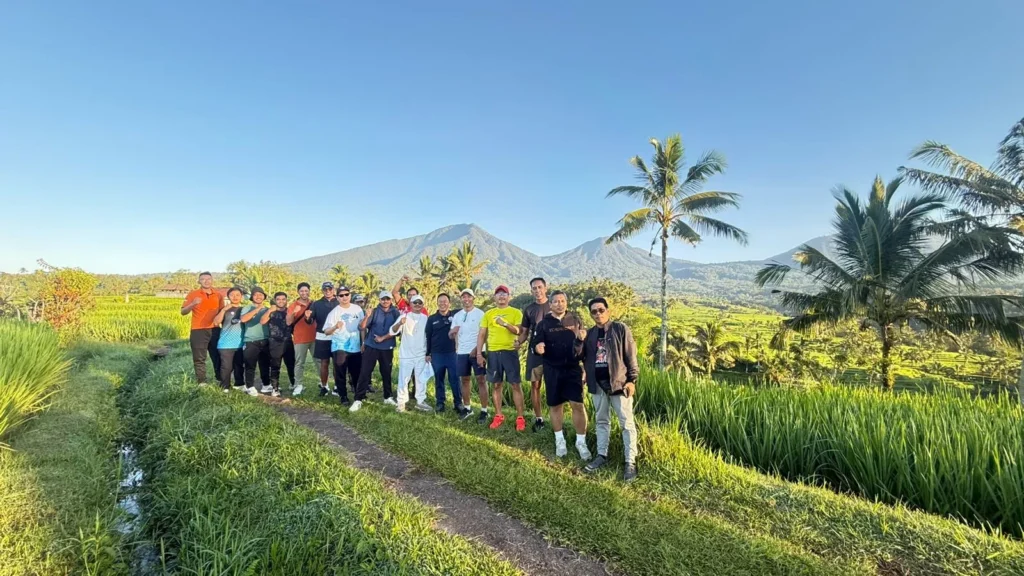
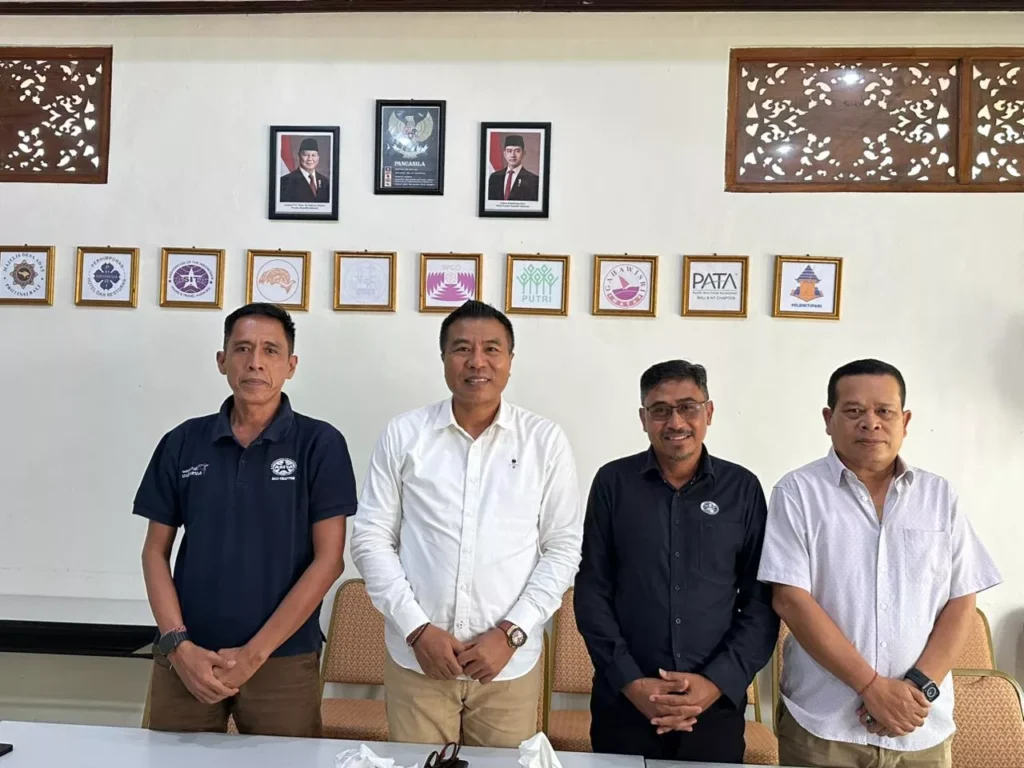
“Through Bali Tourism Run, we want to show that Jatiluwih remains a high-quality destination that is safe, comfortable and worth visiting,” ASITA Bali Chairman I Putu Winastra said during a press conference in Denpasar.
Unlike large-scale urban races designed around volume and competition, Bali Tourism Run will cap participation at 2,000 runners after organizers conducted carrying-capacity assessments for the area.
The decision comes despite calls for higher attendance numbers and reflects a growing recognition within Bali’s tourism industry that unchecked visitor growth can damage both infrastructure and fragile cultural landscapes.
“If we force it to become too large, it could backfire and harm the environment,” Winastra said.
For travelers, the appeal may lie less in athletic performance and more in immersion. Organizers say the event is designed to encourage participants to stay in nearby village homestays, explore local culinary traditions and support small businesses connected to the rural economy around Jatiluwih.
The race weekend will also coincide with the Jatiluwih Festival, scheduled one day earlier on June 20, creating a wider cultural tourism experience for visitors traveling to the region.
Event organizers are targeting a predominantly domestic audience, but expect international runners and foreign tourists already in Bali to participate. According to the committee, the timing aligns with Indonesia’s school holiday period as well as the annual Pesta Kesenian Bali, one of the island’s largest cultural celebrations.
Registration is currently open through Run On Bali Tourism Run 2026 Registration.
Early bird registration is priced at IDR 250,000 until May 21, 2026, with regular registration increasing to IDR 300,000 afterward. Entry includes a race jersey, finisher medal, event amenities and vouchers redeemable at local food and small business stalls participating in the event.
Beyond tourism promotion, organizers say the event will also support local social initiatives, including scholarships for underprivileged children and housing assistance programs in Bali.