



















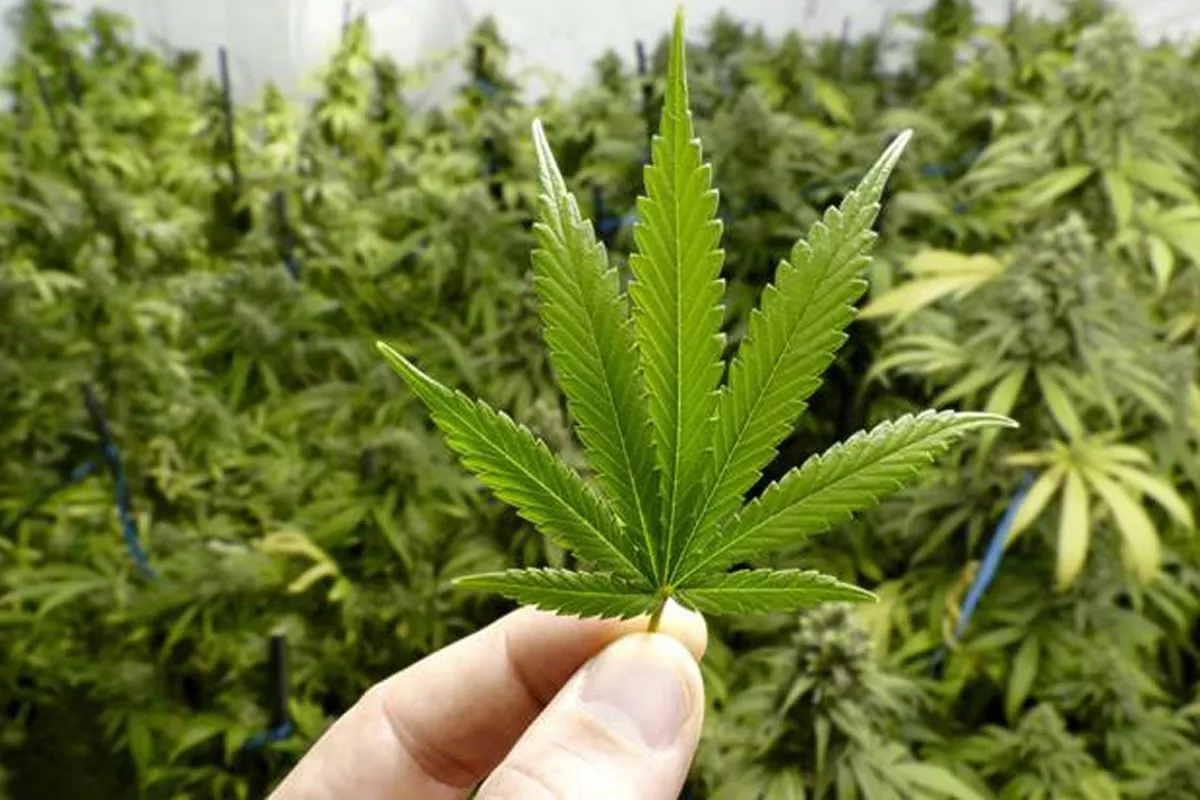
BALI – A Dutch national is facing nine years in an Indonesian prison after authorities discovered a hydroponic cannabis growing operation inside a rented room in Denpasar, Bali.
The case, which has drawn attention across Bali’s foreign community, centers on Nirul Rashim Abdoelrazak, who was found guilty of cultivating, maintaining, and possessing a Class I narcotic under Indonesia’s strict drug laws.
The sentence request was delivered during a hearing at the Denpasar District Court on Tuesday, May 19, 2026.
“Demanding the defendant Nirul Rashim Abdoelrazak be sentenced to nine years in prison,” prosecutor I Made Lovi Puspawan said while reading the charges before the court.
The prosecutor also demanded a fine of 1 billion rupiah, roughly equivalent to USD 62,000.
Under Indonesian law, failure to pay the fine would trigger additional consequences. Prosecutors could seize and auction the defendant’s assets and income once the ruling becomes legally binding. If the recovered value remains insufficient, the sentence would be extended by another 80 days in prison.
The charges fall under Article 111 Paragraph 2 of Indonesia’s Narcotics Law No. 35 of 2009, legislation known for imposing some of the harshest drug penalties in Southeast Asia.
Inside the Rental House
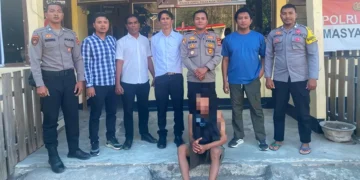
The investigation began with a police raid on a rented property on Jalan Bina Kusuma IV in the Ubung Kaja area of North Denpasar on October 1, 2025.
According to court documents presented during proceedings, authorities believed the operation had been active for several months before the arrest. Prosecutors said Abdoelrazak began cultivating cannabis around August 2025, gradually turning the rented room into a controlled hydroponic growing space.
Inside, police discovered what investigators described as an organized cultivation setup rather than casual personal use.
A hydroponic tent had been assembled inside the property, complete with growing equipment intended to accelerate plant development. Court testimony described how cannabis seeds were first germinated manually using wet tissue paper before being transferred into hydroponic growing media under controlled conditions.
When officers entered the room, they found 14 cannabis plants in varying stages of growth, ranging from small seedlings to mature plants approaching one meter in height.
Police also confiscated dozens of seedlings ready for planting, dried cannabis seeds, fresh leaves, dried leaves, and multiple pieces of hydroponic equipment allegedly used throughout the cultivation process.
The narcotics evidence weighed 278.2 grams gross, with a recorded net weight of 133.06 grams.
Samples collected during the raid were later tested by the Bali Police Forensic Laboratory, which confirmed the plants and leaves contained cannabis, classified in Indonesia as a Class I narcotic.
Indonesia’s Drug Laws Leave Little Flexibility
For many foreigners arriving in Bali from countries where cannabis laws have softened in recent years, Indonesia’s legal approach can come as a shock.
Cannabis remains fully illegal under Indonesian law, including for cultivation and personal use. Authorities make little distinction between recreational possession and organized cultivation when evidence suggests planning, equipment, and intent.
In court, prosecutors emphasized the scale and structure of the operation rather than framing it as a minor personal offense.
That distinction matters in Indonesia, where narcotics cases involving cultivation equipment, repeated planting activity, or controlled growing systems are often treated aggressively by law enforcement and prosecutors.
The case also highlights a legal reality that continues to surprise some foreign residents in Bali: drug enforcement in Indonesia applies equally to citizens and foreigners, regardless of the legal norms in their home countries.
Over the last decade, Indonesian authorities have repeatedly warned international visitors that Bali’s relaxed tourism image should not be mistaken for relaxed narcotics enforcement.
“This is not the Netherlands. It is not California. It is not Thailand,” one court observer said outside the hearing, referring to countries and regions where cannabis regulations have evolved significantly in recent years.
In Indonesia, the legal risks remain severe.
A Growing Collision Between Bali’s Global Image and Local Law
The case arrives at a time when Bali continues attracting long-term foreign residents from countries where cannabis laws have changed dramatically over the past decade.
In parts of Europe, North America, and Thailand, cannabis has increasingly shifted into legal or partially regulated markets. Bali, meanwhile, markets itself globally as an open international destination popular among digital nomads, entrepreneurs, surfers, and wellness travelers.
But Indonesia’s narcotics policy has not moved in the same direction.
For foreign residents, that gap between Bali’s international image and Indonesia’s legal system can create dangerous misunderstandings, particularly among newcomers unfamiliar with local law enforcement realities.
Abdoelrazak’s case now stands as another reminder of how sharply those realities can collide.
A rented room. Fourteen cannabis plants. A hydroponic tent hidden inside a Denpasar property.
And a prison sentence that could keep a foreign resident behind bars for nearly a decade.