




















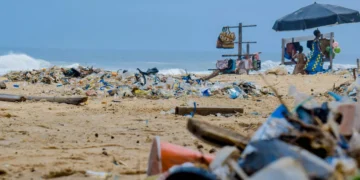

ACEH TAMIANG, Indonesia — In a raw and unscripted moment that has resonated across social media, CNN Indonesia field producer Irine Wardhanie broke down in tears during a live broadcast from the flood-ravaged region of Aceh Tamiang this week. The emotional report, filmed more than three weeks after catastrophic flooding began, offered a devastating on-air portrait of a disaster response stretched thin and of human suffering that, for many, remains unrelieved.
The live segment, now widely shared, showed Wardhanie unable to contain her emotion as she described the conditions of children standing at the roadside begging for food and families still waiting for sustained aid. Her on-air vulnerability became a powerful, humanizing lens on a crisis that has faded from national headlines but not from the ground.
“I couldn’t imagine… children standing at the side of the road, asking for help for food. That is what I see every day. This is not right,” Wardhanie said, her voice breaking, capturing the visceral reality behind the statistics.
A Stalled Recovery and an Urgent Plea
Her report detailed a humanitarian situation that appears stagnant despite weeks of effort. Aid distribution, particularly to more isolated communities, has been inconsistent, leaving fundamental needs unmet. Volunteers and local responders are reported to be reaching exhaustion, while some residents, frustrated by the perceived lack of coordinated government action, have resorted to flying white flags and writing appeals to international bodies like the United Nations Development Programme (UNDP) and UNICEF.
“For three weeks seeing the conditions in Aceh, there has been no change. My team and I have been here for over a week, and the situation remains the same,” Wardhanie reported, highlighting a critical failure in the post-disaster continuum where the emergency phase gives way to a grinding, insufficient recovery.
The Unseen Burden of Bearing Witness

The viral moment transcended a simple news report; it laid bare the psychological burden carried by journalists tasked with documenting prolonged suffering. Wardhanie articulated this weight directly, stating, “We are entrusted with a message as journalists to be able to report the truth about Aceh, and this is a heavy burden for us.”
Her tears were not merely personal but professional—a rupture in the typically composed façade of reporting that underscored the gravity of what she was witnessing. It served as a stark indictment of a system failing its most vulnerable and a poignant reminder of the human cost when disaster response loses momentum.
For a global audience, particularly the humanitarian-focused expatriate community in places like Bali, the video is a sobering call to look beyond the immediate news cycle. It challenges the narrative that a disaster ends when the waters recede and the cameras leave, revealing the often-invisible second wave of crisis characterized by hunger, trauma, and institutional neglect.
Wardhanie’s final, choked hope—that “children should be living in a safe place, eating nutritious food, going back to school… not at the side of the road asking for food”—stands as both a fundamental human right and a searing measure of the work left undone in Aceh.
A Sudden Takedown and Rising Speculation
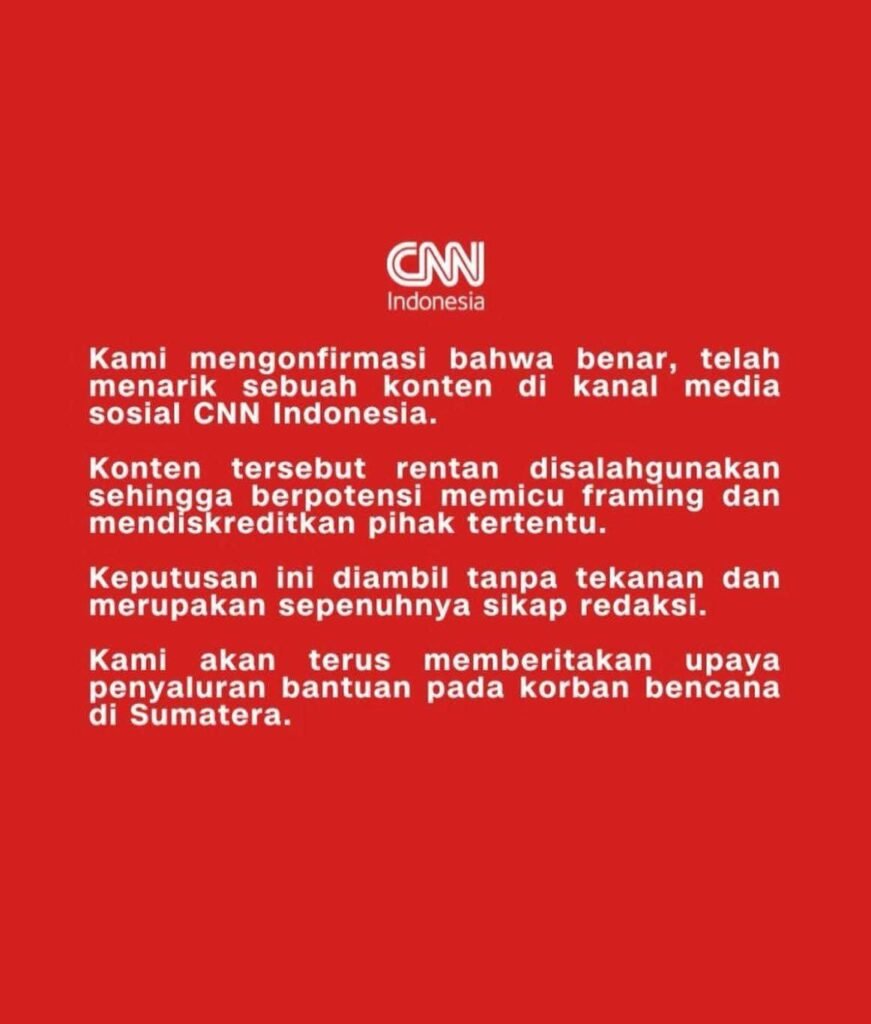
The video’s journey took a contentious turn shortly after it went viral. CNN Indonesia unexpectedly removed the segment from its official digital platforms, a move that did not go unnoticed. The deletion sparked immediate and widespread speculation among Indonesian netizens, with many suggesting the takedown was the result of pressure from authorities displeased with the stark narrative of governmental failure circulating online.
In response to the growing public inquiry, CNN Indonesia issued a statement via its social media channels to address the removal. The network stated the decision was made to “protect the dignity of the affected victims and our journalist,” framing it as an editorial choice rooted in ethical responsibility rather than external influence.
However, for many observers, the explanation failed to quell skepticism. In a media environment where critical reporting on disaster management can be politically sensitive, the abrupt removal of such a potent piece of journalism amplified the very questions it sought to raise—about transparency, accountability, and the space for emotional truth in documenting national crises. The incident transformed the story from a report on flood aftermath into a meta-commentary on the pressures facing independent journalism in the region.
Hey Bali News provides contextual reporting on events across Indonesia, connecting broader national issues to the concerns of Bali’s international community.