
BADUNG, Bali — For the millions of tourists who visit Bali each year, Nyepi—the island’s Day of Silence—is often described as one of the world’s most unusual holidays. Airports close. Streets empty. Lights are dimmed. For 24 hours, the island comes to a standstill.
For most visitors, it is a curiosity—or, for some, an inconvenience. For one Swiss traveler, it has become a criminal case.
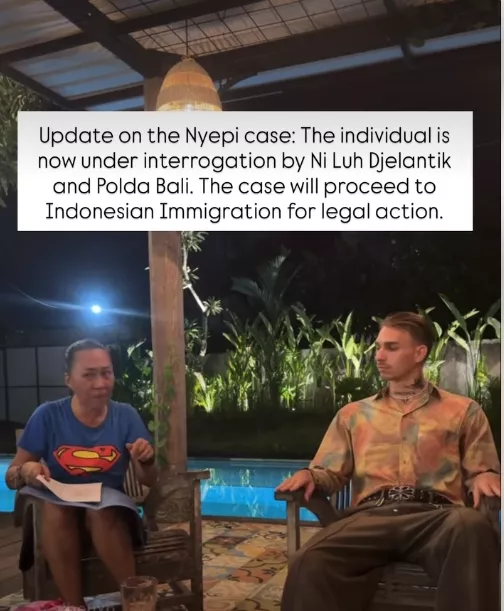
Luzian Andrin Zgraggen, a Swiss national, has been named a suspect by Bali police for allegedly insulting the Nyepi holiday through social media posts. The case, which escalated from a viral Instagram story to a formal criminal investigation, highlights how Bali’s sacred traditions are protected under Indonesian law.
What Nyepi Means—and Why It Matters
Nyepi marks the Balinese Hindu New Year and is observed through Catur Brata Penyepian: no travel, no work, no lighting fires, and no entertainment. The restrictions apply to everyone on the island, regardless of nationality or religion.
Hotels dim their lights. The airport closes entirely. Even public activity is reduced to a minimum, with limited exceptions for essential services.
The purpose is spiritual: to create silence and stillness, symbolically deceiving negative forces into believing the island is uninhabited. For the Balinese Hindu community, Nyepi is a sacred observance—deeply embedded in cultural and religious life.
For visitors, these rules are typically communicated in advance through hotels, travel advisories, and airport announcements. Most comply. Some do not.
The Post That Sparked Backlash
On his Instagram account, @luzzysun, Zgraggen posted a message acknowledging the restrictions of Nyepi before adding a profane remark directed at the holiday and its rules.
Screenshots of the post quickly spread across Indonesian social media, triggering widespread criticism. Bali Police’s cyber patrol unit flagged the content and initiated an investigation.
According to Bali Police spokesperson Kombes Ariasandy, investigators identified the account holder and tracked his movements from Kuta to Ubud before detaining him.

From Social Media to Criminal Investigation
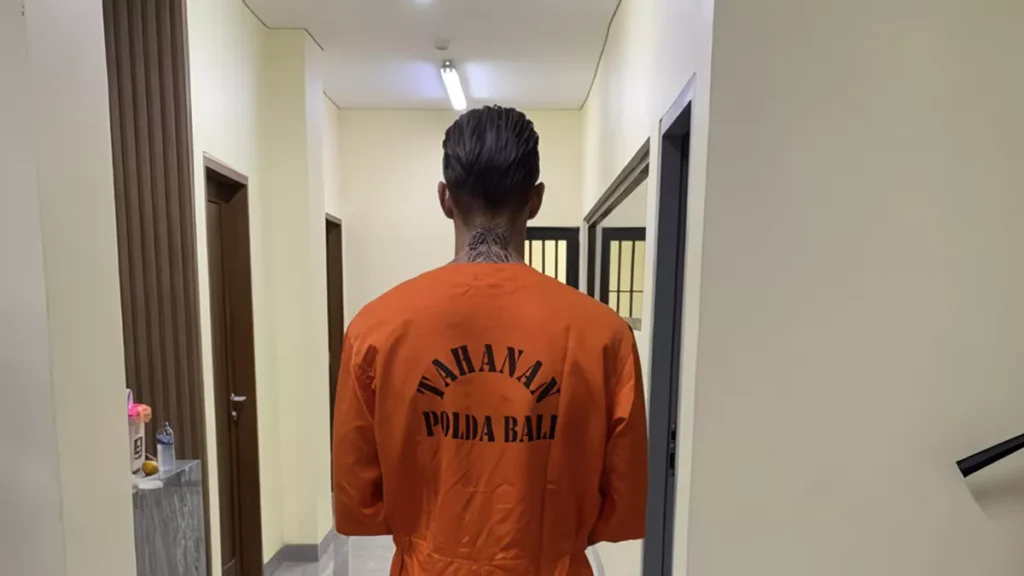
Zgraggen was detained at a residence in Mengwi, Badung, and later formally named a suspect following a case review.
He is currently being held at the Bali Police detention facility.
Authorities say he is being investigated under Article 301 Paragraph (1) of Indonesia’s 2023 Criminal Code, which addresses the dissemination of content deemed insulting to religion or belief through electronic media. Police have seized a mobile phone and social media accounts as part of the evidence.
Authorities have not publicly disclosed whether the suspect has issued a statement or secured legal representation.
What the Law Says
Indonesia’s legal framework places a strong emphasis on religious harmony. Nyepi, as a nationally recognized religious observance, falls within that protection.
The law does not only apply to direct insults toward religious teachings, but can also extend to expressions targeting religious practices and observances.
For foreign visitors, this creates a different legal context from what they may be accustomed to elsewhere. Content shared online—particularly when it touches on religion—can carry legal consequences.
A Broader Reminder for Visitors
Bali remains one of the world’s most open and welcoming destinations. Its economy is deeply tied to international tourism. But the island’s identity is not solely commercial—it is rooted in living traditions that continue to shape daily life.
For expatriates, long-term residents, and tourists, Nyepi is not an optional cultural experience. It is a legally recognized observance, and violations—whether physical or digital—can lead to legal action.
Cases involving foreign nationals and cultural or religious disrespect are not unprecedented. Past incidents have led to deportation, public backlash, and, in some cases, criminal proceedings.
What Comes Next
The investigation is ongoing, and authorities have not announced a timeline for prosecution. If convicted, the suspect could face penalties under Indonesia’s Criminal Code.
The case will likely test how Indonesia’s updated legal framework for digital conduct is applied in cases involving foreign nationals.
For Bali’s international community, it serves as a reminder that the island’s traditions are not staged for tourism. They are part of an active cultural system—one that is both respected and enforced.
Hey Bali News will continue to follow developments in this case.