
The mobilization of police and military for beach cleanups signals a systemic crisis, moving waste management from municipal duty to national priority.
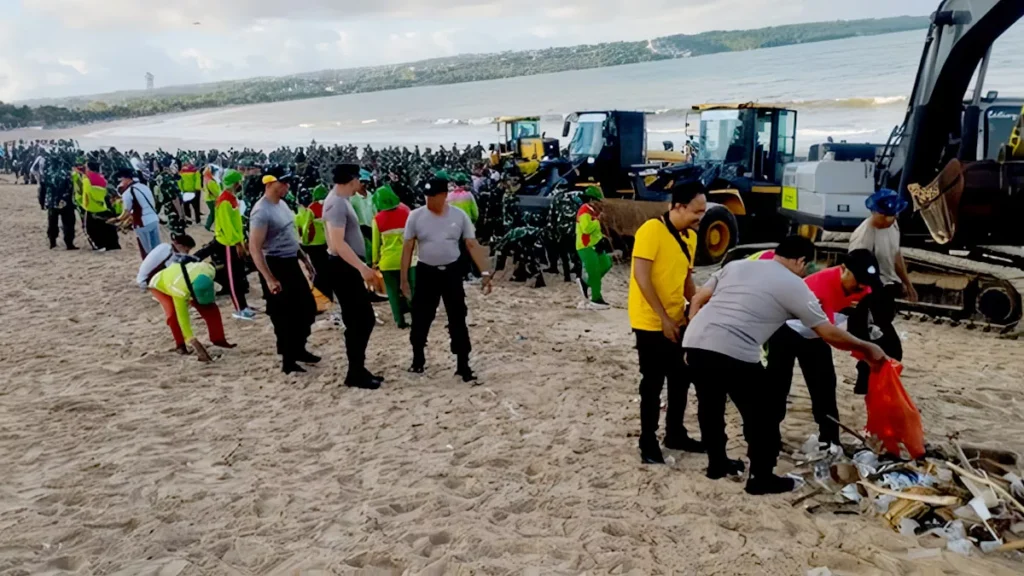
KUTA, Bali — The sight of Indonesian police and military personnel combing the sands of Kedonganan Beach for plastic waste this week was more than a community service event; it was a potent symbol of a profound shift. Bali’s chronic struggle with trash has officially transcended local governance, escalating into a matter of state concern. What makes this moment different is not the cleanup itself, but its trigger: a rare, direct presidential reprimand delivered on the national stage.

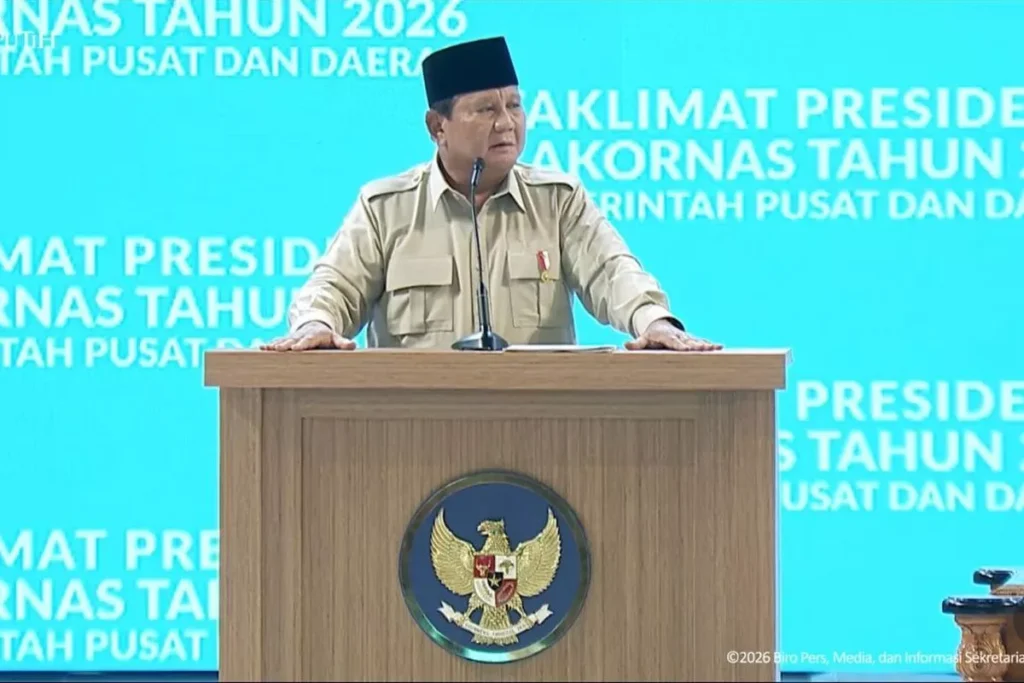
The cleanup operation, involving the Indonesian National Police (Polri) and the military (TNI), represents the most tangible response to President Prabowo Subianto’s stark criticism just a day earlier. In a national forum, the President explicitly called out Bali’s Governor, I Wayan Koster, holding up the island’s polluted coasts as a national embarrassment and a direct threat to its economic lifeblood: tourism. “This is real,” President Prabowo stated, displaying images of litter-strewn shores. “How will tourists want to come there to see trash?”
From Local Nuisance to National Directive
This presidential intervention has fundamentally changed the calculus. What was long perceived as a persistent municipal failing—a “local problem” for Bali’s regencies to manage—is now framed as a failure with implications for national reputation and economic security.
The deployment of uniformed state apparatus for a sanitation task is a clear signal: the issue now commands the attention and resources of the central state, operating under direct presidential pressure.
“Through social media, I saw that this morning TNI and Polri members together with students cleaned Kuta Beach. Of course, this step must be appreciated,” said I Nyoman Parta, a national legislator representing Bali. Yet, his praise was immediately tempered by a deeper critique of the state’s approach.
The “Upstream” Critique: Cleaning vs. Solving
While the state mobilizes to clean the “downstream” symptom—the waste on the beach—lawmakers are highlighting the absence of a coherent “upstream” strategy. Parta articulated this core contradiction, noting that nature is often scapegoated for waste that originates in human consumption.
“The wind, weather, and waves never brought plastic from supermarkets, markets, or stalls,” he argued. The relentless, labor-intensive cleanup, he implied, is a Sisyphean task if the flood of waste from homes, businesses, and streets is not stopped at its source.
This critique points to the central challenge now facing Bali: the state can command a cleanup, but can it engineer the systemic change in waste management, consumer behavior, and regulatory enforcement required for a lasting solution? The involvement of police and military, while demonstrating serious intent, also subtly underscores a perceived inadequacy of existing local mechanisms.
Implications for Bali’s Global Community
For expatriates, investors, and business owners in Bali, this escalation crystallizes the severity of the crisis. The “trash problem” is no longer a background environmental concern or a topic for community workshops; it is a high-stakes governance issue with the full attention of Jakarta. This brings both a promise of action and a risk of reputational damage, as the island’s pollution is debated at the highest levels of government.
The path forward demands more than periodic military-backed cleanups. It requires the political will and integrated strategy that Parta calls for: a decisive move beyond “stagnation” to overhaul Bali’s waste management from the source.
The state has now taken ownership of the problem. Whether this moment leads to systemic reform—or merely a cycle of reactive cleanups—will define Bali’s credibility as a global destination in the years ahead.