
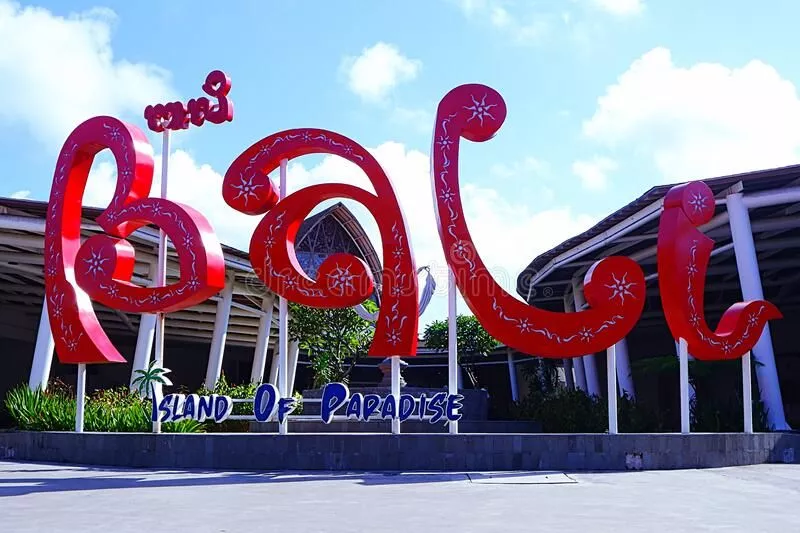
Bali Airport Growth 2025 is more than a tourism headline. With over 20 million passengers and a wave of new international connections, Bali’s main gateway is entering a new era—one that strengthens travel, trade and long-term economic stability for the island.
DENPASAR, BALI – I Gusti Ngurah Rai International Airport is not simply bouncing back. It is reshaping its standing in global aviation. Data recorded up to October 2025 shows the airport operating at full capacity, serving 20.32 million passengers while opening 14 new routes that connect Bali to a wider global network than ever before.
On any given day, the airport handles an average of 67,000 passengers, supported by 50 airlines flying across 57 routes, linking Bali to 36 domestic and 21 international destinations.
A Surge Driven by International Travel
The strongest momentum comes from international arrivals. The airport recorded 12.8 million international passengers, a 9% increase compared to last year. Much of this growth comes from new strategic routes, including Perth, Guangzhou, Mumbai, New Delhi, and Saigon.
Four destinations—Sichuan, Cheongju, Mumbai, and Newcastle—launched flights to Bali for the first time. This expansion signals a major shift toward more diversified tourism markets.
Cargo Growth Strengthens Bali’s Global Trade Links
Cargo movement matched this upward trend. The airport processed 88 million kilograms of freight, a 9.5% year-on-year increase. International cargo routes—especially Doha, Hong Kong and Sydney—accounted for 79% of all goods transported. This highlights Bali’s growing role in regional and global supply chains.
Expert Insight: A Turning Point for Sustainable Tourism


Tourism analyst Giostanovlatto sees Bali Airport Growth 2025 as a critical milestone.
“These numbers are more than statistics. They outline the future shape of Bali’s tourism economy,” he said during an exclusive interview with Hey Bali News.
According to him, the spike in international travel and the shift toward markets like India, China, Korea and secondary Australian cities represent long-awaited diversification.
“For years, Bali relied heavily on a few markets. Now we’re seeing healthy de-risking,” he explained. “Saudia’s arrival opens deeper Middle Eastern access, while new Chinese and Korean routes reduce old dependencies.”
He also highlighted the importance of rising cargo volumes.
“A 9.5% increase in international cargo is a quiet economic revolution. This means Balinese products—coffee, crafts, wellness goods—can reach the world faster and more reliably. It supports an economy that’s more resilient and not solely tied to seasonal tourism.”
Still, he offered a realistic reminder.
“This growth must be matched with stronger infrastructure—roads, waste management, environmental protection. The future has to prioritise value over volume.”
What Bali Airport Growth 2025 Means for the World
For Travellers
- Simpler access: More direct flights reduce travel times and layovers.
- Better prices: New airlines and routes often lead to more competitive fares.
- Richer experience: New inbound markets mean a more diverse cultural mix on the island.
For Investors & Businesses
- Market strength: A consistent 67,000 passengers daily shows stable demand.
- Logistics potential: International cargo growth opens new opportunities for export and supply chain ventures.
- Strategic expansion: Businesses can now target emerging markets such as India, Korea and Chinese provinces.
For the Global Aviation Industry
- Post-pandemic benchmark: Bali stands as one of the strongest recovery success stories globally.
- Route planning insights: The success of new routes provides data for airlines considering similar expansions.
- Evolving tourism geography: Bali is shifting from a limited regional focus toward wider global diversification.
Reported by Ferry Fadly
Written by Hey Bali Newsroom
Source Data: Antara